White House Jailbreak Demands Put Anthropic Under Pressure
The White House wants Anthropic to block jailbreaks, and that sounds clean on paper. In practice, it runs straight into the messiest part of AI security. AI jailbreaks are not a single bug you patch once. They are a moving target, shaped by model behavior, prompt tricks, new tools, and plain old human creativity. If you run policy or security for a model team, this matters now because regulators are starting to ask for guarantees that systems may not be able to give. The gap between “should be blocked” and “can be blocked” is where the real fight sits.
Look, the pressure is not just about Anthropic. It is about whether governments can demand airtight controls from systems that are probabilistic by design. Can any lab promise to stop all jailbreaks without breaking the product itself?
What the White House wants from AI jailbreaks
- Stronger blocking: reduce prompt attacks that force models to ignore safety rules.
- More accountability: make vendors answer for failure modes, not just model performance claims.
- Better reporting: document testing, red-teaming, and mitigation steps.
- Clearer limits: define what safety teams can realistically guarantee.
The core demand is simple. Stop users from steering a model into harmful output. But the execution is ugly. A jailbreak can be a direct prompt, a role-play setup, a multi-step conversation, or a chain that abuses tool use. One fix rarely covers the next trick.
Why AI jailbreaks are so hard to eliminate
Jailbreaks work because models do not “understand” safety the way people do. They predict likely next tokens based on training and fine-tuning. That means you are defending a system that can be nudged by wording, context, and adversarial structure.
Security teams can reduce jailbreaks. They cannot make them disappear with a switch.
And that is the uncomfortable truth regulators keep running into. A model that is too permissive becomes unsafe. A model that is too locked down becomes brittle, annoying, and less useful. The line between those two is thin.
Think of it like building a stadium with doors, guards, cameras, and turnstiles, then asking for absolute proof that nobody can ever slip through. You can raise the cost of failure. You cannot make the building magic.
What vendors can do today
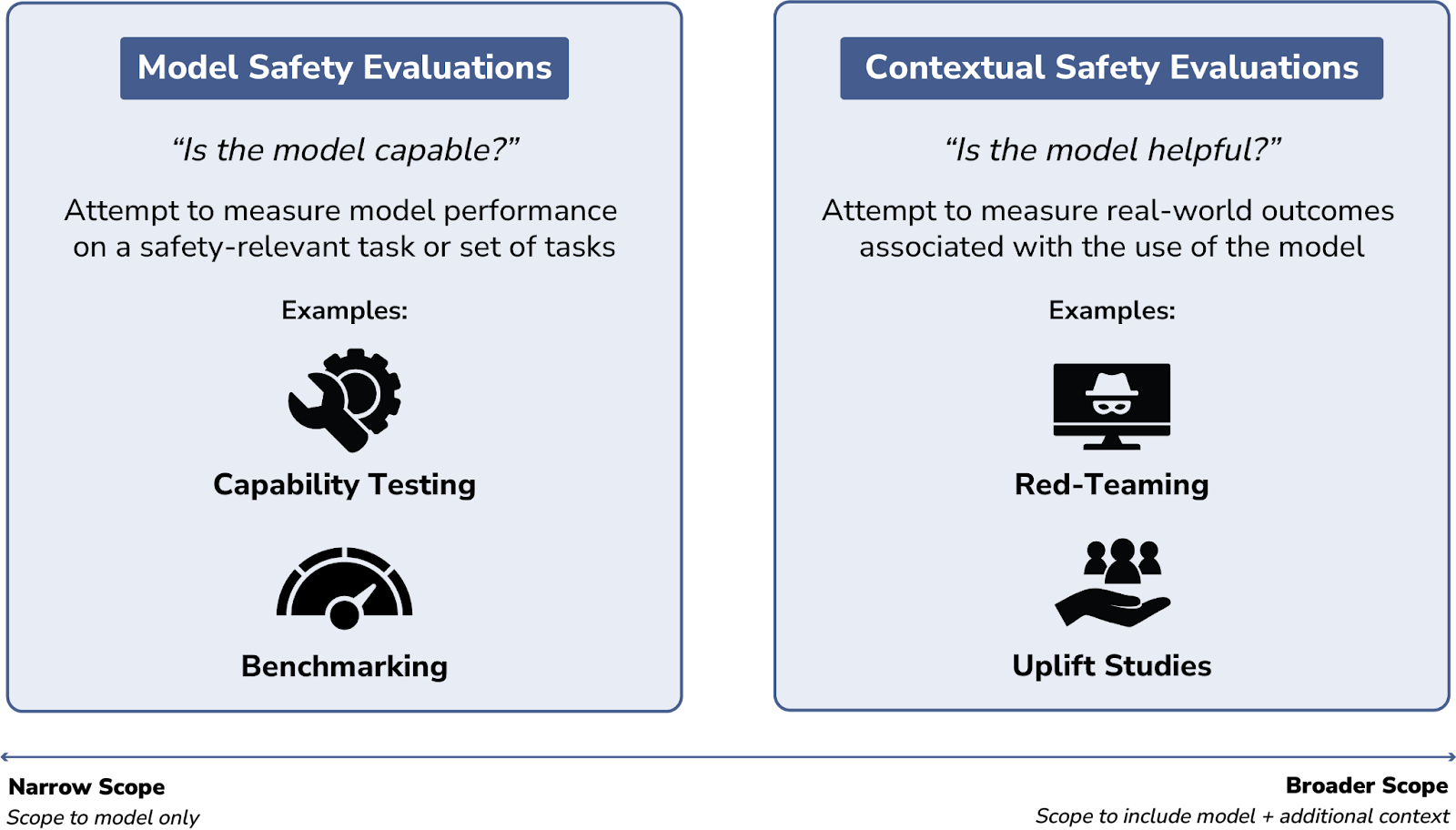
- Adversarial testing: hire red-teamers to probe known jailbreak patterns.
- Policy tuning: tighten refusal behavior around high-risk requests.
- Runtime filters: add separate systems that scan inputs and outputs.
- Monitoring: watch for repeated abuse and new attack clusters.
These steps help. They do not end the problem. The best teams treat jailbreak defense like fraud detection, not like a lock with one key. You keep adapting because attackers adapt faster than policy memos.
Why the White House angle matters for Anthropic
Anthropic has made safety a public pillar of its brand. That puts it in a tight spot. If it accepts a government demand that sounds absolute, it risks overpromising. If it pushes back, it risks looking evasive on safety.
That tension is not unique to Anthropic, but the company sits close to the center of the current AI policy debate. The White House wants firms to show control. Labs want room to explain uncertainty. Those are different languages.
Here’s the real problem: policy often asks for binary answers, while model risk lives in probabilities, edge cases, and tradeoffs.
What this means for AI regulation next
Expect more pressure for test standards, audit trails, and incident disclosure. That is the sane part. The shaky part is any rule that assumes “block all jailbreaks” is a realistic benchmark. It is not, at least not for systems that keep changing after release.
Regulators need a better target. They should ask how quickly a vendor detects new jailbreaks, how often defenses improve, and how much harm a successful attack can cause. That is measurable. Total prevention is a fantasy.
And the market should be honest about that. If a company claims perfect safety, ask what happens the day a teenager finds a new bypass in ten minutes. What then?
What you should watch next
If you follow AI policy, keep an eye on three things: whether the White House turns this into formal guidance, whether Anthropic publishes more detail on its red-teaming process, and whether other labs are pulled into the same standard. Those moves will tell you whether this is a one-off demand or the start of a broader regulatory line.
The next phase of AI safety will not be about grand promises. It will be about measurable friction, faster patching, and better disclosure. That is less dramatic. It is also more real.
The question now is simple: will policymakers accept probabilistic safety, or keep asking models to do the impossible?