White House Urges OpenAI to Slow New Model Release
The White House is putting pressure on OpenAI to slow-roll its new model release, and that matters far beyond one company’s launch calendar. The fight is really about AI safety concerns, who gets to set the pace for powerful systems, and how much risk society is willing to accept before a model reaches the public. If you build, buy, or regulate AI, this is your problem too. The decision could shape product timelines, enterprise rollouts, and the tone of future oversight. And yes, it could also change how fast the next frontier model reaches users, which is the part everyone in the industry is watching closely.
What to watch
- Release timing matters. A delay can affect partners, developers, and customers who plan around model access.
- Safety review is becoming political. This is no longer just an internal lab issue.
- Policy pressure can reshape product strategy. Companies may build more checks into launch plans.
- Enterprise buyers should pay attention. Governance signals often show up in contracts and compliance demands next.
Why AI safety concerns are now a release issue
For years, AI labs treated launch timing as a product choice. Ship when the model is ready, tune the guardrails, and move on. That model has cracked. Once a system can reason better, write better code, or generate more convincing output, the risk profile changes fast.
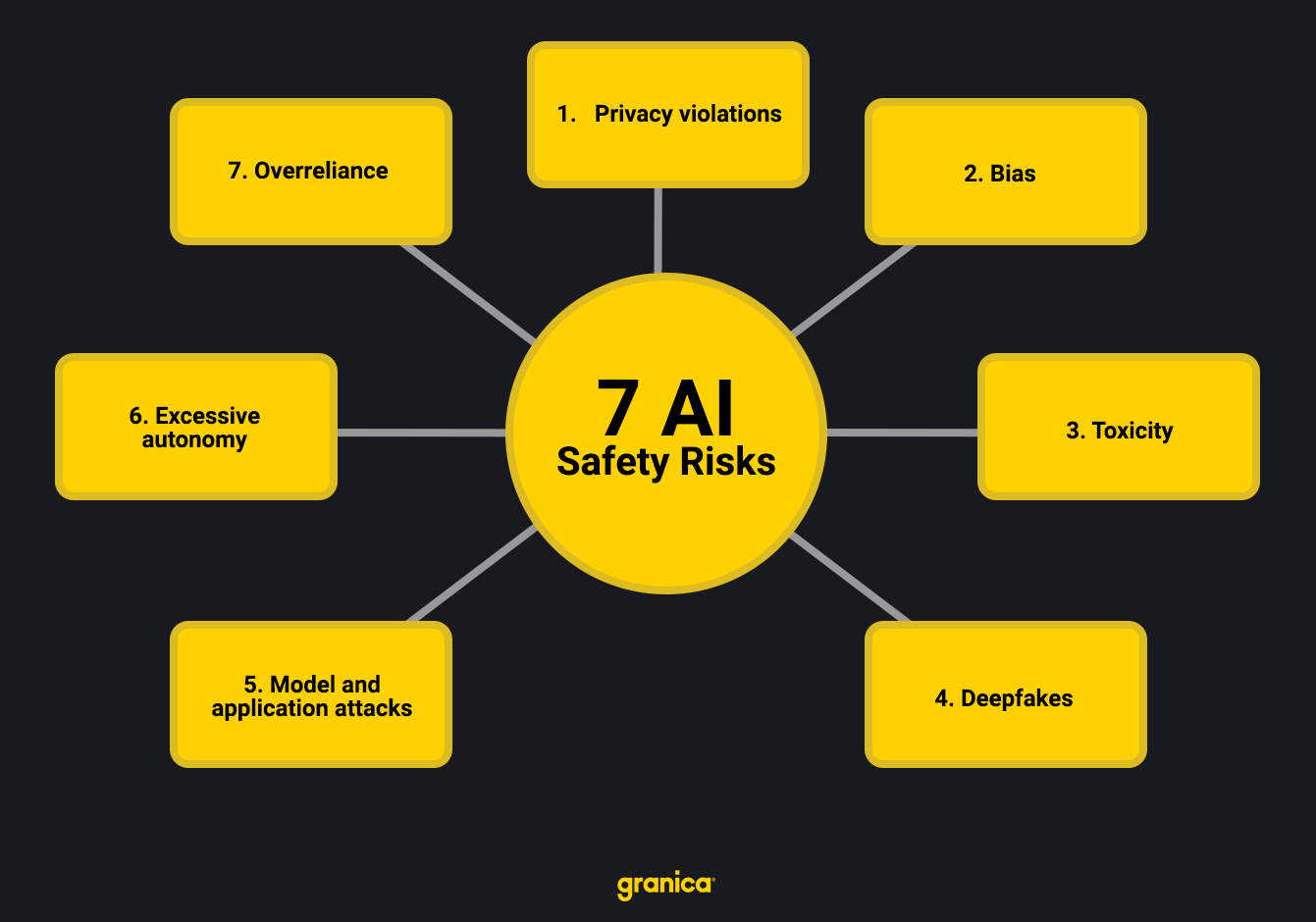
That is why AI safety concerns are now part of public policy. Governments are looking at misuse, model autonomy, cyber abuse, and the chance that a release arrives before the controls are ready. The White House intervention signals that a model can be deemed too risky for a normal rollout, even if the company thinks it has done enough testing.
“The question is no longer whether a model is impressive. The question is whether the release process matches the power of the model.”
What a slow-roll request really means
A slow-roll is not the same as a ban. It usually means more review, tighter staging, or a delayed public launch while safety teams keep testing. Think of it like a city inspector pausing occupancy on a new building because the wiring needs one more pass. The structure may be standing. But you do not want people inside until the basics check out.
For OpenAI, that could mean narrower access, more red-teaming, or a staged release to selected users first. For rivals, it creates a precedent. If one major lab faces pressure to wait, others may assume they will face the same treatment on their next model.
How this affects the AI market
Speed has been a selling point in frontier AI. Faster launches, faster APIs, faster product cycles. But a government-backed slowdown can shift the market in a very real way.
- It rewards caution. Labs that invest in safer deployment may gain trust with regulators and enterprise buyers.
- It raises compliance costs. More testing, more documentation, and more audit work will follow.
- It may slow feature wars. If one lab waits, competitors may also hold back to avoid political heat.
- It changes buyer behavior. Enterprises may ask tougher questions about model provenance and safety controls.
Here’s the thing. Markets hate uncertainty, but they hate surprise even more. A delayed release can frustrate users. A rushed release that goes wrong can poison the whole category.
AI safety concerns and the policy playbook
The White House move fits a broader pattern. Regulators have been asking for stronger evaluation standards, clearer reporting, and better oversight of frontier models. The Biden administration has already pushed AI labs toward more formal safety commitments, and agencies have shown more interest in testing, incident reporting, and model accountability.
That does not mean every model needs federal approval. But it does suggest a new norm. If a model raises enough concern, the public sector may ask for a pause before release, especially when the consequences could spill into cybersecurity, misinformation, or critical infrastructure.
Could this become the new normal for frontier AI launches? Quite possibly. And if it does, companies will need to treat policy review like a core part of product planning, not a late-stage headache.
What companies should do now
If you run an AI product team, this is not the moment to improvise. Build your launch plan as if a regulator will ask for it tomorrow. Because one day, they might.
- Document testing early. Keep records of red-teaming, failure cases, and mitigation steps.
- Map model risks by use case. A general chatbot and a coding assistant do not carry the same exposure.
- Prepare staged access. Limited rollout beats a scramble after public pressure lands.
- Coordinate legal and safety teams. Release decisions should not live in a product silo.
And do not assume this is only for frontier labs. Smaller vendors will feel the spillover too, because enterprise buyers often copy the risk posture of the biggest names. When the center of gravity shifts, everyone else follows.
What this says about the next phase of AI safety concerns
The deeper story is simple. AI safety concerns are moving from research papers and policy panels into release decisions that affect real users. That is a seismic shift. It means the industry is being asked to prove not only that a model works, but that it deserves to ship.
That standard will not get easier. Each new model raises the baseline for scrutiny. Each incident raises the political cost of being first.
OpenAI may still launch soon, and the White House may get only a partial slowdown. But the message is already clear. The next big model release may depend as much on trust and restraint as on benchmark scores. What happens when the next frontier system lands with even more power and even less patience from Washington?
What comes next
Watch for a few signals. A revised release timeline. More public language from the administration about frontier model safeguards. And, just as important, the language other labs use when they talk about their own launches.
The real test is not whether one company can wait. It is whether the industry can build a release culture that treats AI safety concerns as part of the job, not a nuisance at the edge of it.