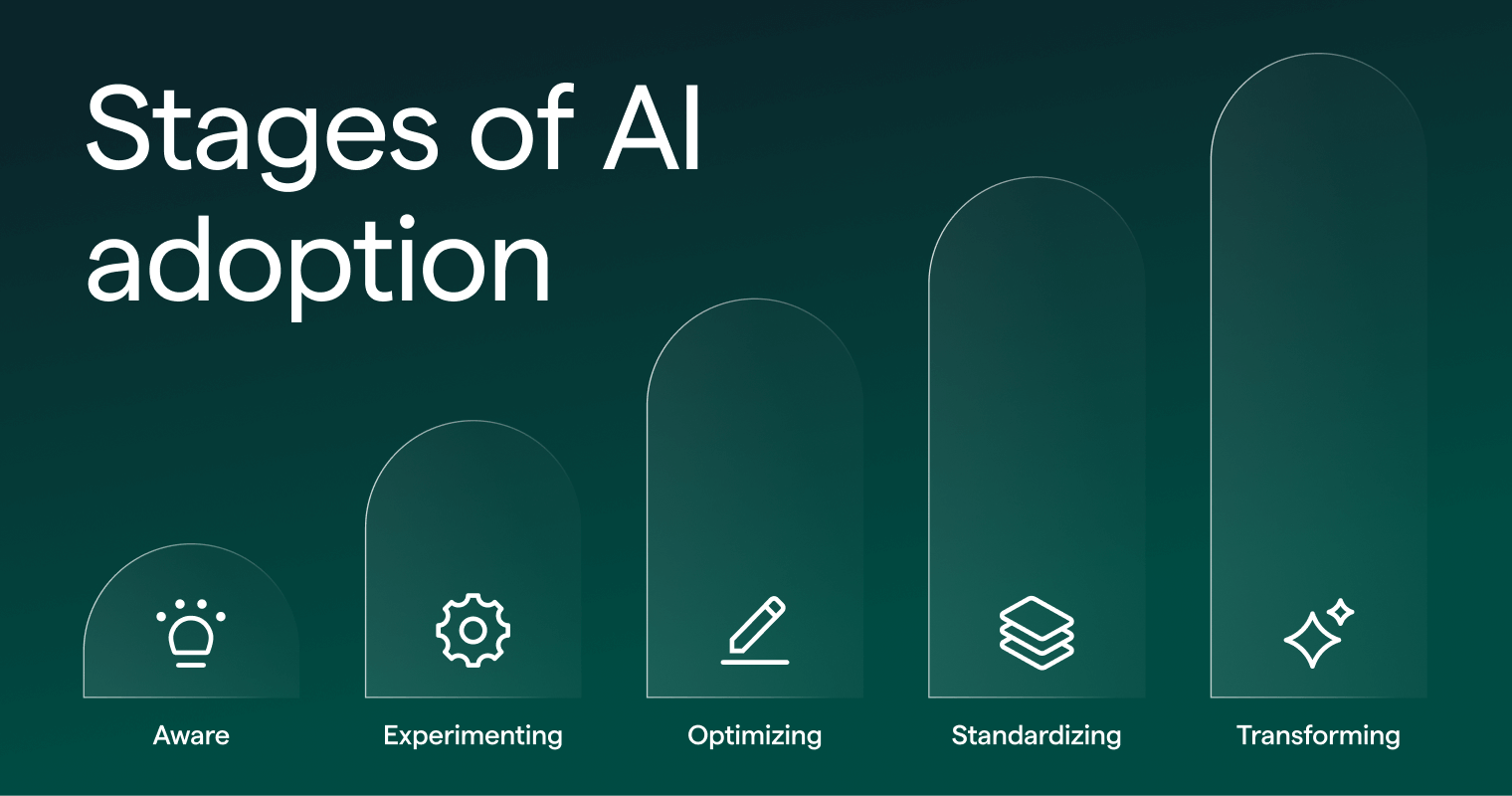
Why AI Adoption Still Feels Stuck
AI adoption was supposed to be the easy part by now. The demos are slick, the funding is huge, and the pitch is simple. Yet many people still do not trust AI enough to use it for daily work, and that gap matters because the real value only shows up when tools move from experiments into habits. If your team keeps asking why AI adoption feels slower than the headlines, you are looking at the right problem. The issue is not one thing. It is trust, accuracy, workflow fit, and plain old fatigue from too much noise. And yes, the market is starting to feel that friction.
What the AI adoption slowdown is really telling you
- People do not reward promise. They reward tools that save time without adding risk.
- Trust is still the choke point. One bad answer can wipe out a week of excitement.
- Workflow fit beats feature count. If the tool does not slot into daily work, it gets ignored.
- Buying decisions are getting sharper. Teams now ask where AI saves labor, not just where it looks clever.
The story here is less about disappointment and more about maturity. Early hype made AI sound like a magic button. Real users found something more like a draft assistant with occasional genius and occasional nonsense. That is a very different product category.
AI does not fail because it is weak. It fails when people ask it to replace judgment before it has earned it.
Why AI adoption stalls inside real teams
Here is the thing. Most teams do not reject AI because they hate new software. They reject it because the cost of a mistake is visible and immediate. If a model writes the wrong policy summary, mislabels a customer, or invents a citation, someone has to clean it up.
That is why adoption often looks like a pilot that never spreads. One department tries the tool. A few people like it. Then the rest of the organization asks a blunt question: who is accountable when it is wrong?
Think of AI like a kitchen knife, not a food processor. A good knife helps a skilled cook move faster. A clumsy one causes damage. Same tool, very different outcome depending on the hand using it.
Three friction points that keep showing up
- Accuracy gaps. Even small error rates matter when the output touches customers, finance, legal, or security.
- Training burden. People need to learn prompts, limits, review steps, and escalation paths.
- Integration drag. If the AI lives outside the tools people already use, adoption drops fast.
And then there is the boredom problem. Many AI products still require users to babysit them. That kills momentum. Busy people do not want another system that asks for constant correction.
What buyers now want from AI adoption
Buyers have gotten pickier, which is healthy. They want fewer claims and more proof. They want to know whether a model is reliable on their data, how it handles exceptions, and what happens when it fails. That is not cynicism. That is buying with open eyes.
What moves the needle? Usually one of three things. A clear time savings. A measurable quality lift. Or a narrow workflow where AI removes repetitive work without touching high-stakes judgment.
That last part matters. Many teams do not need general-purpose AI. They need a tight tool that handles one painful task really well. The wider the promise, the harder the sale.
How AI vendors can improve AI adoption
If you build or sell AI, the fix is not more fireworks. It is more restraint. The product has to earn trust in small steps before it gets asked to do bigger things. That is how adoption compounds.
- Show failure modes. Do not hide them. Make limits visible in the interface and docs.
- Cut setup time. If users need a week of tuning, they will drift away.
- Prove one job first. One workflow that works beats ten that sound exciting.
- Give users control. Let them review, edit, and override without friction.
Look at the companies that made enterprise software stick. They reduced anxiety before they reduced work. AI needs the same treatment. A clean dashboard is nice. A reliable outcome is better.
Where AI adoption could turn next
AI adoption may not explode in a single wave. It may spread the way spreadsheets did, quietly and unevenly, until one day nobody remembers the old workflow. That path is slower. It is also more believable.
The next winners will probably not be the loudest. They will be the tools that fit inside existing systems, explain themselves well, and avoid drama when the model is unsure. That is the real benchmark now. Not whether AI looks impressive in a demo. Whether your team still wants it after the demo ends.
So the real question is not whether AI will be used. It is which products will earn enough trust to stay in the room when the hype fades?
A smarter test for the next wave
Use a simple test before you buy, build, or expand any AI tool. Ask three things: Does it save time every week? Can a non-expert catch its mistakes? Would you trust it near a customer, a contract, or a deadline? If the answer is fuzzy, the adoption problem is already there.
That is where the market is headed now. Less theater. More proof. And the companies that understand that shift will have a real shot at turning AI from a headline into a habit.