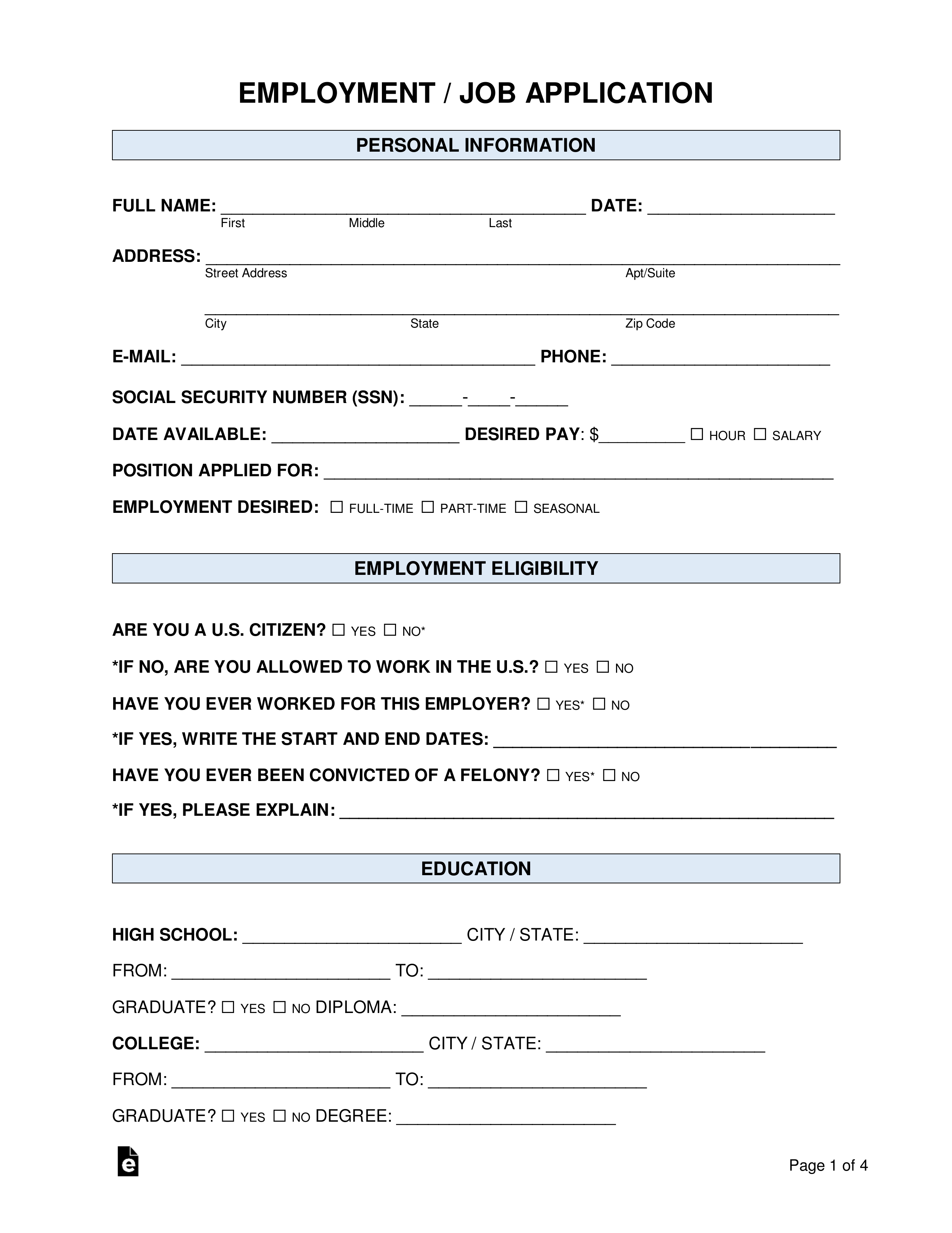
Why Job Applications Feel Too Easy Now
Job hunting used to take effort. You rewrote your resume, filled out long forms, and thought twice before hitting submit. Now job applications can take under a minute, and that speed has changed the whole market. For you, that means more openings to tap, but also more competition, more noise, and more ghosting from employers who are buried in volume. For companies, it means a flood of applicants, many of them low fit. That is not a small UX tweak. It is a seismic shift in how labor moves online.
So what happens when applying is easier than texting a friend? The answer explains a lot about why hiring feels broken on both sides.
What job applications changed
- One-click apply tools removed the old friction from job boards.
- Applicant tracking systems made it easy for employers to collect and sort huge stacks of resumes.
- Remote work widened the pool, so one posting can draw candidates from far beyond one city.
- AI tools now help applicants generate resumes and cover letters fast, which adds even more volume.
That sounds efficient. But efficiency is not the same as quality. A system built to maximize submissions starts to look like an airport security line with no real baggage check.
Why job applications became too easy
The web stripped away almost all cost from applying. Ten years ago, many applications demanded manual entry, custom answers, and extra time. Today, a job board can store your data, autofill the form, and send your materials with a few clicks.
Employers helped create this mess. They wanted larger pipelines, faster sorting, and cheaper screening. The result was a machine that rewards volume on both ends. If a posting is easy to apply to, why would anyone stop at one?
Easy applications do one thing very well. They invite more applications than any human team can realistically review.
“The friction that used to filter applicants is mostly gone. What remains is the sheer scale of the pile.”
What this means for job seekers
Easy apply is tempting, but it can make you lazy in the wrong places. Spray-and-pray submissions waste time because many roles get screened out by simple keyword matching before a person ever sees them.
Think of it like cooking a huge pot of soup with no tasting. You may fill the bowl, but that does not mean anyone wants to eat it.
- Tailor the first line of your resume to the role.
- Use the exact job title where it makes sense.
- Show one concrete result that fits the posting.
- Apply fewer times, but with better targeting.
And yes, the old advice still works. Networking matters because it creates a human signal that an automated form cannot match. A referral from someone inside the company often does more than ten rushed applications.
Why employers are struggling with job applications
Hiring teams are drowning in candidates, and many of those candidates are only loosely qualified. That makes screening slower, not faster. Some teams respond by adding filters, assessments, or extra form fields. Others lean harder on software.
That creates a bad loop. The more filters you add, the more good candidates you lose. The more open the front door, the more junk comes in. Which problem should you solve first?
Better hiring does not start with more automation alone. It starts with clearer job design.
What good hiring looks like
- Write tighter job descriptions with fewer vague requirements.
- Separate must-haves from nice-to-haves.
- Use a short work sample instead of a long generic form.
- Respond faster so strong candidates do not vanish.
Companies that ignore response time pay for it later. Top candidates move quickly. If your process takes weeks, you are not testing patience. You are selecting for it.
Where AI fits into job applications
AI tools make the problem sharper. Candidates can now generate application text at scale, which means more polished submissions and more sameness. Recruiters then see a wall of applications that sound eerily alike.
That does not make AI useless. It just means you should use it with intent. A strong application still needs your real experience, your numbers, and your judgment. The machine can help you draft. It cannot supply proof.
For employers, AI screening tools should stay narrow and accountable. If a tool decides who gets seen, someone needs to test whether it is filtering out qualified people for the wrong reasons. Bias is not a side note. It is the story.
What to do next
If you are job hunting, stop treating every easy application like a lottery ticket. Focus on roles where your background lines up cleanly, then make each submission specific. If you are hiring, cut the junk from your process and make the path for strong candidates shorter.
Job applications are easy now. Trust is the hard part.
And that is the part the industry still has to fix. Until it does, the fastest applicant flow will keep producing the slowest hiring decisions.