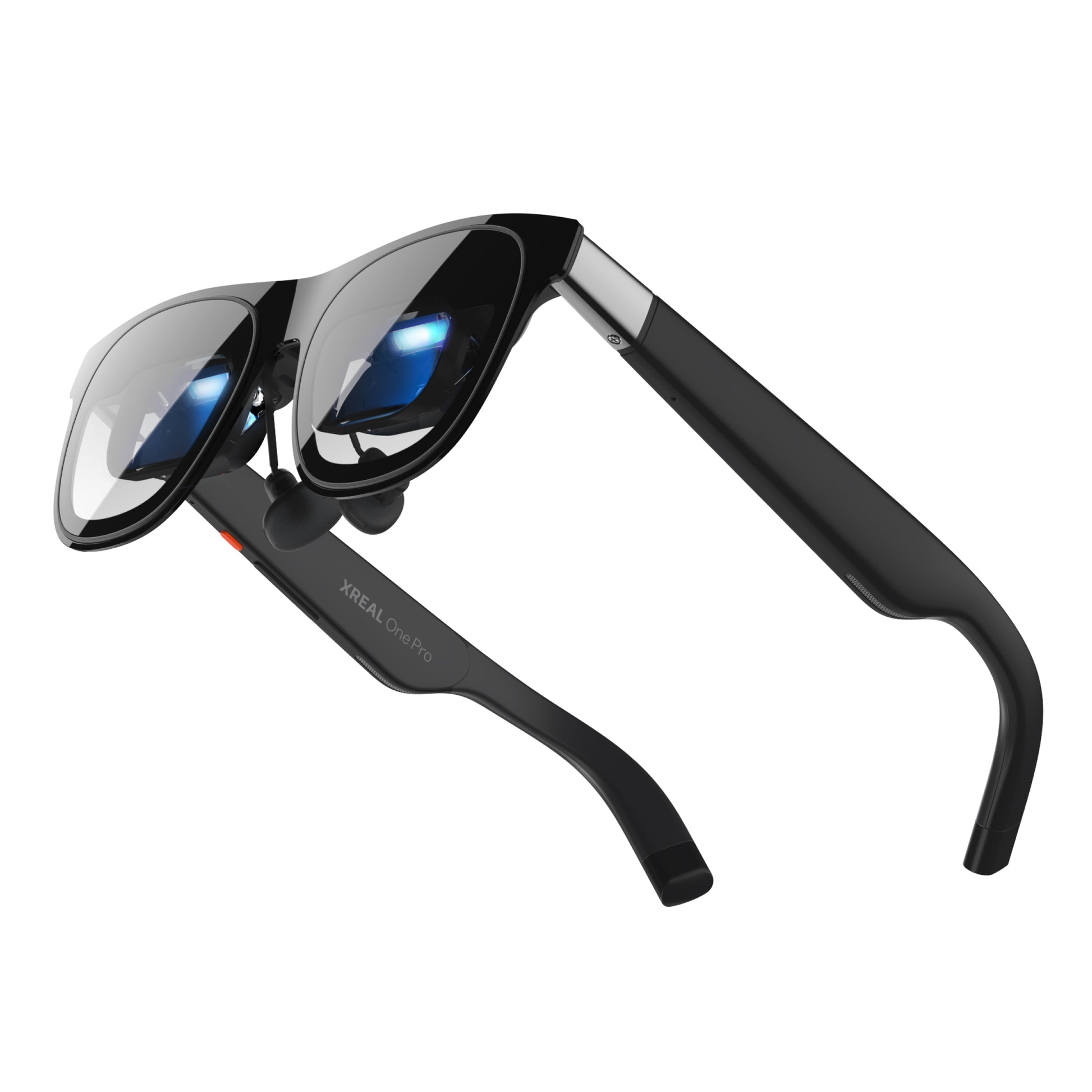
Xreal Smart Glasses Strategy Is Getting Serious
Smart glasses have a habit of looking impressive in demos and falling apart in real life. The hardware is awkward, the software feels half-finished, and battery limits keep dragging the category back to earth. That is why the latest Xreal smart glasses push matters now. Xreal, which has worked with Google, is arguing that it has finally figured out one of the ugliest problems in the sector: how to build glasses people may actually want to wear, not just test for ten minutes at a booth. If you track AR hardware, this is the real story. The market does not need another flashy concept. It needs products that fit faces, ship at sane prices, and do a few jobs well enough to earn repeat use. Xreal thinks it is closer to that line than most rivals.
What stands out right away
- Xreal is positioning design and wearability as the make-or-break issue for smart glasses.
- The Google relationship gives the company more credibility, but it does not remove execution risk.
- The bigger opportunity may be practical display use, not fully immersive AR.
- Consumer smart glasses still face a brutal test: do people keep using them after week one?
Why Xreal smart glasses keep focusing on the hard part
Look, the smart glasses business has been tripped up by the same problem for years. Companies keep trying to squeeze advanced displays, sensors, compute, and battery into frames that still need to feel normal on your face. That sounds obvious, yet many players still treat wearability like a secondary detail.
Xreal appears to be doing the opposite. Its pitch, based on TechCrunch’s reporting, is that the company has learned how to work within the limits instead of pretending those limits do not exist. That is a smart shift. In hardware, restraint often beats ambition.
Smart glasses do not fail because the idea is weak. They fail because the product asks users to tolerate too many tradeoffs.
Think of it like architecture. You can sketch a dramatic building, but if the foundation is shaky and the doors are annoying to use, people will hate the place no matter how futuristic it looks. Smart glasses are the same. Fit, weight, heat, lens clarity, and social acceptability are non-negotiable.
What the Google angle means for Xreal smart glasses
Xreal’s tie to Google matters because ecosystems often decide who survives in new hardware categories. Devices alone rarely win. They need apps, developer support, operating system integration, and a reason for buyers to trust that the platform will still exist two years later.
But let us be honest. A partnership with Google is helpful, not magical. Google itself has learned the hard way that face-worn computing can trigger privacy fears, social backlash, and plain old consumer indifference. Google Glass became a cultural punchline long before the industry was ready to admit what went wrong.
So what changes here? Xreal may benefit if Google now takes a more grounded approach, one centered on utility over spectacle. Translation, fewer moonshot promises and more daily-use features such as navigation, media viewing, messaging, translation, and lightweight contextual help.
That matters.
If Xreal can become the hardware layer for that more disciplined vision, it could carve out a solid position while bigger brands chase broader platform goals.
Where the category still breaks down
The most interesting part of this story is not Xreal’s confidence. It is whether the broader market has finally become realistic about what smart glasses should be in the next few years. Fully featured AR glasses remain a steep engineering challenge. Wide field of view, all-day battery, thin frames, low heat, and affordable pricing rarely show up together.
Here is the practical checklist any buyer or investor should use:
- Comfort: Can you wear them for more than 30 minutes without wanting them off?
- Visual quality: Is the display sharp and bright enough indoors and outdoors?
- Battery life: Does it survive actual use, not just lab conditions?
- Software value: Are there clear use cases beyond novelty?
- Price discipline: Does the product feel worth the cost compared with a phone, tablet, or laptop?
Most smart glasses stumble on at least two of these. Some stumble on all five. And that is before you get to prescription lens support, style choices, and regional availability.
Xreal smart glasses may win by doing less
Honestly, that may be the smartest part of the company’s approach. The firms that survive early markets are often the ones that narrow the mission. Instead of trying to replace your phone, your laptop, your TV, and your face-to-face interactions, they solve one or two annoying problems really well.
Xreal has often looked strongest when framed as a wearable display company first, and a full AR future bet second. That distinction matters (and many companies blur it on purpose). A personal screen for media, gaming, travel, or mobile work is easier to explain than a grand pitch about ambient computing changing human behavior overnight.
Who actually wants a device that promises everything and nails nothing?
If Xreal keeps chasing practical wins, it has a cleaner path than rivals trying to force science-fiction expectations onto present-day hardware.
The business case behind the hype
There is also a simple market logic here. Companies in this segment do not need immediate mass adoption to matter. They need repeatable demand from early buyers, better margins over time, and enough software support to keep the platform alive while components improve.
What could help Xreal next
- Clear positioning around media, productivity, and travel use cases
- Closer Android and Google service integration
- Lighter frames and better thermal performance in the next hardware cycle
- Retail demos that show real use instead of flashy animations
That last point is bigger than it sounds. Smart glasses are hard to sell through spec sheets alone. People need to try them on. They need to see whether the display works for their eyes, whether the weight feels manageable, and whether the whole thing looks acceptable in public.
This is one reason the category has moved slower than smartphone boosters once predicted. Phones fit existing habits. Glasses ask people to change behavior, appearance, and expectations all at once. That is a much tougher sell.
What you should watch next
If you are evaluating the Xreal smart glasses story, skip the broad claims and watch the signals that actually matter. Track product reviews from hands-on testers. Watch whether developers build for the platform. Look for pricing that stays within reach of mainstream premium gadget buyers, not just enthusiasts.
And keep an eye on retention. Are people still using these glasses after the novelty fades? That is the metric that separates a real category from an expensive experiment.
Xreal may not need to dominate smart glasses to shape the next phase of the market. It just needs to prove that disciplined hardware, tighter software alignment, and realistic product choices can beat louder competitors. If it does, the rest of the industry will have to stop selling dreams and start shipping products people can live with.


