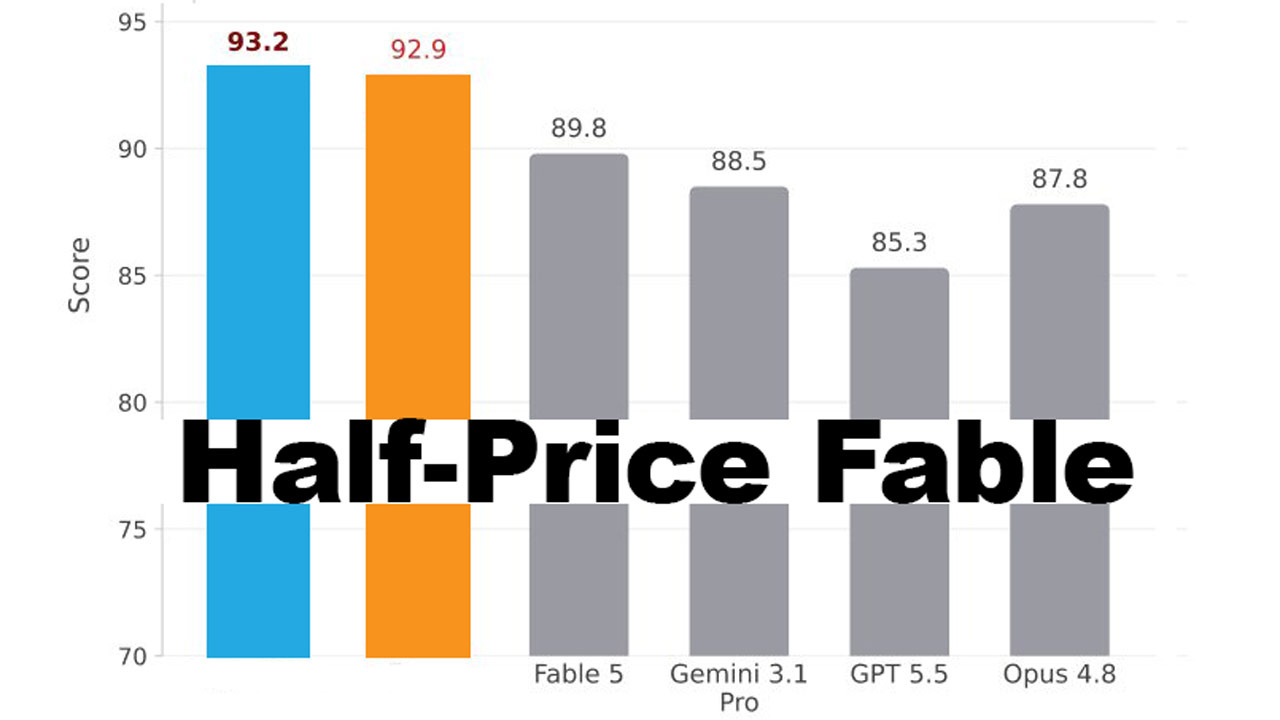
Z.ai Coding Model Targets OpenAI and Anthropic
Software teams want faster code, fewer bugs, and less time spent switching between tools. That is why the latest Z.ai coding model push matters now. The market is crowded, the stakes are high, and buyers are getting less patient with hype. If Z.ai can really narrow the gap with OpenAI and Anthropic on coding tasks, it could change how developers pick assistants for daily work. But the bar is brutal. Code generation is one of the few AI categories where users can spot mistakes fast, and they do not forgive them. So the real question is simple. Can Z.ai build a model that earns trust in the editor, not just attention in a press release?
What stands out about the Z.ai coding model
- It enters a hard market. Coding assistants face direct comparison on speed, accuracy, and usefulness.
- Developer trust matters more than demos. Small errors in code can waste hours.
- Price will matter. Teams compare model quality against usage cost very quickly.
- Integration is half the battle. A strong model still needs to fit into IDEs, CI pipelines, and code review flows.
Bloomberg reports that Z.ai wants to catch Anthropic and OpenAI in coding with a new model. That is an ambitious target. And it is also a sensible one, because coding is where many companies see clear productivity gains and concrete ROI. You can measure success with commit quality, review time, and the number of times a model solves a task on the first try.
Code models live or die on reliability. If a system saves time nine times and creates a mess on the tenth, developers remember the mess.
Why the Z.ai coding model faces a high bar
OpenAI and Anthropic have built strong reputations with developers, partly because their models handle reasoning, instruction following, and code cleanup well. That makes the competition look less like a sprint and more like a chess match. Z.ai has to show that it can produce code that is not only syntactically correct, but also readable, secure, and easy to maintain.
Look, developers do not want a chatbot that writes flashy snippets and then disappears. They want a partner that can work inside real software projects, with messy dependencies and half-written tests. That is why model quality alone is not enough. The surrounding product matters just as much.
How buyers will judge the Z.ai coding model
1. Does it reduce manual cleanup?
If your team still spends time fixing imports, rewriting functions, and correcting edge cases, the model has not earned its keep. The best coding tools remove repetitive work. They do not add another layer of review fatigue.
2. Can it handle your stack?
A model that performs well in generic benchmarks may stumble in your actual stack. JavaScript, Python, Java, Rust, and SQL all create different failure modes. The closer Z.ai gets to real project work, the more useful it becomes.
3. Is the cost sane?
Enterprise buyers compare model pricing with the time saved across teams. If a tool trims 15 minutes from a task but costs too much to scale, it will hit a ceiling fast. That is basic arithmetic.
What this means for the AI coding race
The coding market is starting to look like a restaurant kitchen during rush hour. Everyone is pushing plates out the door, but customers only care whether the meal lands hot and clean. In the same way, AI vendors are racing to ship better code tools, but developers care about output quality, consistency, and speed under pressure.
For Z.ai, the upside is clear. If it can deliver a credible coding assistant, it can win attention from startups, agencies, and large engineering teams that want a second source beyond the usual US players. That matters in a market where buyers are watching vendor concentration closely.
But there is a catch. The coding category is becoming less forgiving, not more. Users can compare tools side by side in minutes. They can spot hallucinated APIs, broken tests, and shallow refactors almost immediately. What happens when the benchmark scores look good but the pull request still needs a full rewrite?
What to watch next
- Benchmark detail. Look for task-level results, not vague claims.
- Developer tooling. Check whether the model works inside common IDEs and review tools.
- Security posture. Code generation without careful handling of secrets and dependencies is a bad trade.
- Real customer adoption. Pilot programs and repeat usage will tell you more than launch-day buzz.
The next test is not whether Z.ai can talk about coding well. It is whether developers keep using the model after the novelty wears off. That is where the real market signal will show up, and it will not wait long.
Where the Z.ai coding model goes from here
If Z.ai wants to stand beside OpenAI and Anthropic, it needs more than a strong announcement. It needs a model that feels dependable inside real workflows, where speed and correctness both matter. The companies that win here will be the ones that make code review feel lighter without making engineers nervous. And that is the standard every serious buyer should use next time a new coding model lands on the scene.