Machine Learning
Displaying 10 of 28 articles
AI Chip Wars: AMD MI400 vs NVIDIA Blackwell vs Intel Gaudi 3
AI Chip Wars: AMD MI400 vs NVIDIA Blackwell vs Intel Gaudi 3 The AI chip comparison 2026 landscape has three serious contenders for data center AI workloads: AMD’s MI400, NVIDIA’s Blackwell B200, and

RAG Is Not Dead: How Retrieval-Augmented Generation Evolved in 2026
RAG Is Not Dead: How Retrieval-Augmented Generation Evolved in 2026 When GPT-5.4 launched with a 1 million token context window, a common reaction was: “RAG is dead. Just stuff everything in the conte
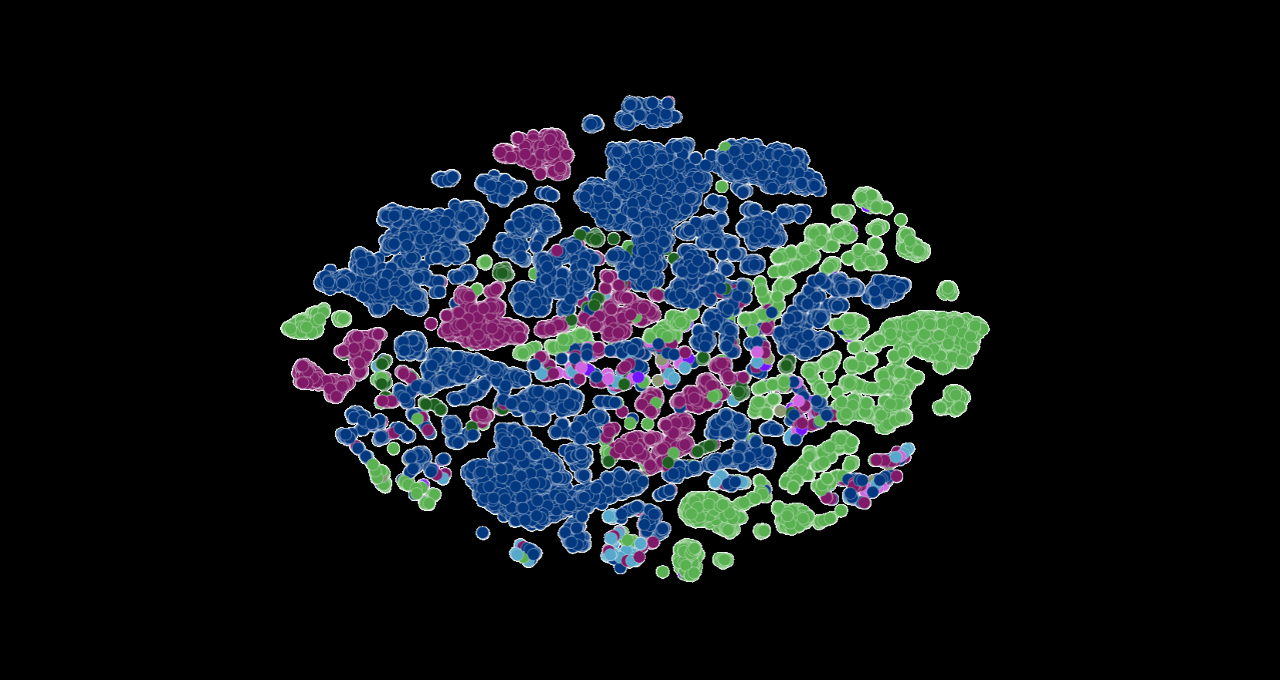
Large Genome Model: Open Weights for Trillions of Bases
Large Genome Model: Open Weights for Trillions of Bases Labs keep hitting the same wall: translating raw sequencing data into answers without burning budgets or months. An open Large Genome Model trai

Mixture of Experts in 2026: How Modern LLMs Route Tokens Efficiently
Mixture of Experts in 2026: How Modern LLMs Route Tokens Efficiently The largest language models in 2026 share a common architectural pattern: mixture of experts (MoE). GPT-5.4, Qwen 3.5, DeepSeek-V4,

Why AI Stumbles on Certain Games and How to Fix It
Why AI Stumbles on Certain Games and How to Fix It Developers want game agents that win, learn, and entertain, yet AI game playing limitations keep showing up in titles that reward improvisation or hi

How to Fine-Tune Qwen 3.5 on Your Own Data
How to Fine-Tune Qwen 3.5 on Your Own Data Alibaba’s Qwen 3.5 is the strongest open-weight multimodal model available today. But a base model trained on general data will not match the performance you

NVIDIA Rubin Platform Explained: What the Next-Gen GPU Means for AI Training
NVIDIA Rubin Platform Explained: What the Next-Gen GPU Means for AI Training NVIDIA announced the Rubin platform at CES in January 2026 and has been rolling out technical details since. The platform r

Alibaba’s Qwen 3.5 Is the Strongest Open-Weight Multimodal Model Yet
Alibaba’s Qwen 3.5 Is the Strongest Open-Weight Multimodal Model Yet Alibaba released Qwen 3.5 in March 2026 and it immediately set new benchmarks for open-weight multimodal AI. The model processes te

The AI Energy Bottleneck: How Grid-Scale Batteries Fit In
AI Cannot Scale Without Solving the Power Problem First AI runs on electricity, and there is not enough of it. Goldman Sachs projects that AI data center power consumption will rise 175% by 2030. Sigh

What Trainium3’s Neuron Switches Mean for AI Infrastructure
Amazon’s Neuron Switches Are Changing How AI Chips Communicate Individual AI chips are fast. But in a data center, what matters most is how thousands of chips work together. Amazon’s custom Neuron swi