1X Neo Robot Fingers Signal the Next Home Robot Fight
Home robots keep promising to do the boring jobs you hate, then running into the same wall. Hands. Vision. Timing. The 1X Neo robot is getting attention because its fingers move fast enough to make the machine feel less clumsy and more useful. That matters now because the home is a brutal test. A robot has to open doors, grasp odd-shaped objects, and handle messy, unpredictable spaces without wrecking itself or your stuff.
Fast fingers do not mean a finished product. But they do tell you where the market is heading, and where the hype is still running ahead of the hardware. Look, a polished demo is not the same thing as a dependable household worker. The real question is simple. Can a robot move from cool clip to daily utility?
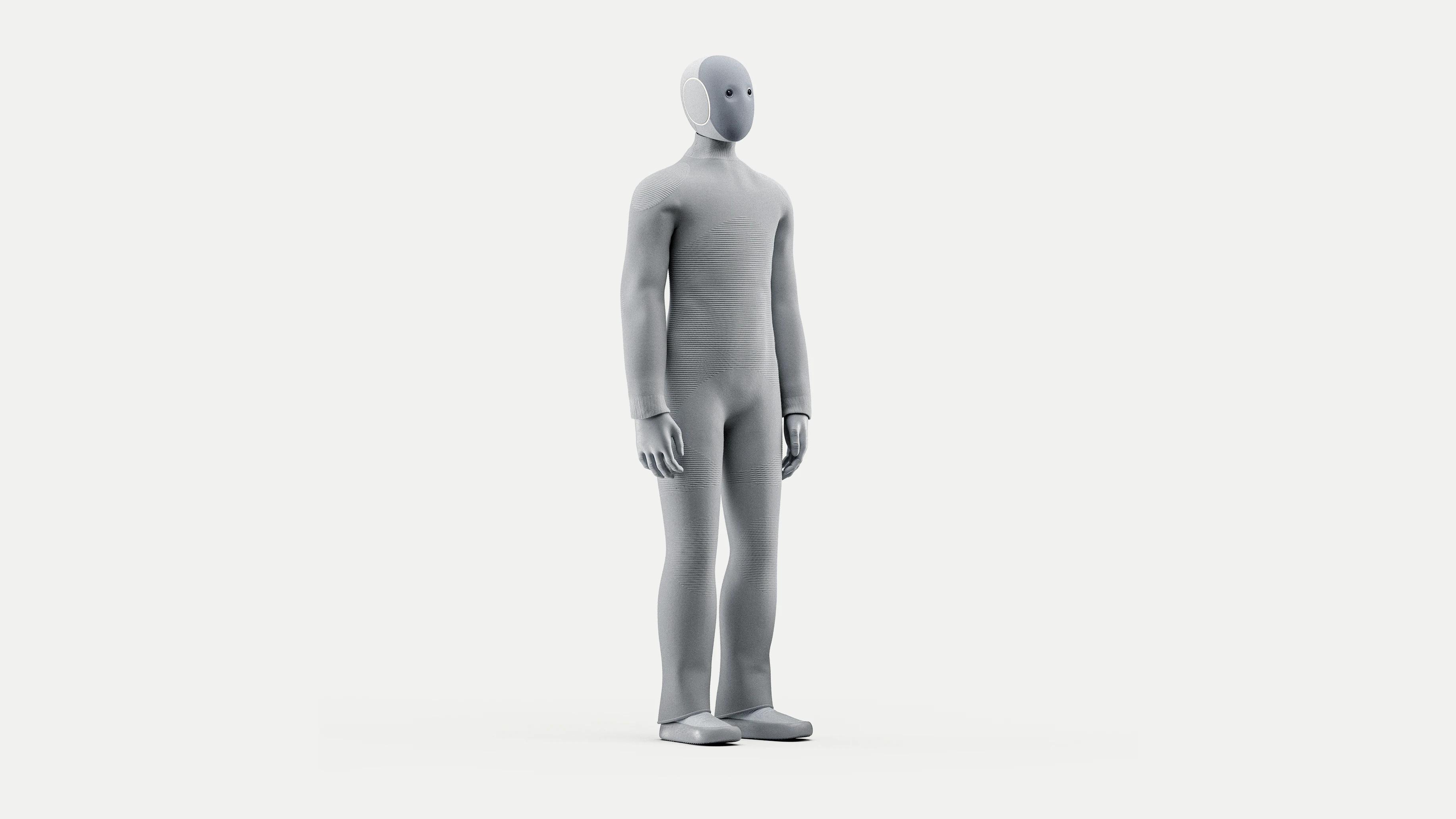
What stands out about the 1X Neo robot
- Dexterity matters more than raw strength for most home tasks.
- Fast finger movement suggests better grasp control, which is a non-negotiable for manipulation.
- The home environment is messy, so speed has to pair with perception.
- Robots that fail gracefully will beat robots that look impressive for 20 seconds.
Wired’s report on the 1X Neo robot focuses on those fingers, and for good reason. Hands are the difference between a machine that can point at objects and one that can actually work with them. A robot can have decent wheels, a tidy body, and a friendly voice, but if its grip is weak or awkward, it still loses the room.
Fast fingers are not a gimmick. They are one of the few concrete signs that humanoid robots are getting closer to useful manipulation.
Why the 1X Neo robot fingers matter for home use
Think about your kitchen drawer. Or a sock on the floor. Or a mug with a slippery handle. Those are small tasks for you, but they are a brutal test for a robot. The 1X Neo robot’s fingers point to a bigger shift, from moving through space to working inside it.
That is the real bottleneck. Navigation gets the headlines, but manipulation is the hard part. A robot can roll across a room like a Roomba with ambition. Can it pick up a charging cable without tangling itself? Can it adjust its grip when the object shifts? That is where the hardware has to be sharp.
And this is why finger speed alone is not enough. A hand needs force control, tactile feedback, and software that can react fast enough to match the motion. Without that stack, you get a flashy hand and a weak worker. Not useful.
What the 1X Neo robot still has to prove
1. It needs consistency
A robot that succeeds once is a demo. A robot that succeeds fifty times is a product. Consistency is the real scorecard, especially in homes where lighting changes, surfaces vary, and objects are never placed neatly.
2. It needs safe failure modes
If a robot misreads an object, drops it. If it slips, it should stop. If it senses resistance, it should back off. That sounds basic, but basic is where many robot systems fall apart. The machine has to fail in a controlled way.
3. It needs a price people can tolerate
Even a clever robot finger setup will not matter if the full system costs more than a used car. Home robots live or die on pricing, service, and reliability. Fancy demos do not pay bills.
Here’s the thing. The home-robot market is starting to feel like early consumer drones. At first, everybody talked about the machine. Then buyers started asking about battery life, repair parts, and whether the thing would survive a bad landing. Robots are heading to the same place. Fast.
Why this is bigger than one robot
The 1X Neo robot is part of a wider race around humanoid design, and that race keeps circling the same problem set. Hand control. Object recognition. Real-world adaptation. Companies can bolt a lot of impressive parts together, but the product only becomes credible when those parts work under pressure.
That is why hands get so much attention from engineers and investors. A good hand is like the foundation of a house. You do not admire it first. You notice it when the whole structure stops wobbling. If robots are ever going to do repetitive home chores, their fingers will need to feel less like props and more like tools.
For now, the smartest way to read the 1X Neo robot is as a signal, not a verdict. The fingers suggest progress. They do not prove household readiness.
What you should watch next
- How well the robot handles everyday objects with odd shapes and textures.
- Whether the system can operate for long stretches without frequent intervention.
- Whether the company shows real task completion, not just motion clips.
- How much of the experience depends on remote help or teleoperation.
The next leap in home robotics will probably look boring before it looks magical. Better grasping. Fewer dropped items. Quieter motion. Smarter recovery when things go wrong. That is the work.
So the question is not whether the 1X Neo robot has fast fingers. It does. The question is whether those fingers can survive the chaos of a normal home long enough to matter. That is the test every robot company is trying to pass now.
Where the real robot race goes next
If 1X and its rivals can keep improving dexterity, the industry may finally move past the stunt phase. But the bar is rising, not falling. Buyers will want proof, not promises, and they will notice every dropped spoon.
Watch the hands. They are telling you what kind of robot future is actually coming.