AI and Schizophrenia Genetics: What the New Research Means
Schizophrenia genetics has been a hard knot to untie for years. You have thousands of DNA variants, weak signals, and a disease that does not follow one simple path. That is why the recent use of AI and schizophrenia genetics matters now. Researchers are trying to sort real biological signals from a noisy pile of data, and that could change how we study risk, diagnosis, and treatment.
The promise is real, but so are the limits. AI can help find patterns that older methods miss, yet it does not magically explain why one person develops symptoms and another does not. Look, that distinction matters. If you confuse pattern spotting with proof, you end up with hype instead of science.
- AI can rank genetic signals that deserve closer study.
- Schizophrenia is polygenic, which means many variants can contribute a little at a time.
- The best models still need lab work and clinical validation.
- Better genetic maps may help researchers focus drug development.
Why AI and schizophrenia genetics fit together
Schizophrenia is not caused by one gene. Large studies from groups such as the Psychiatric Genomics Consortium have shown that many variants across the genome contribute to risk. Some of those variants sit in noncoding regions, where they are harder to interpret with standard tools.
That is where machine learning helps. It can compare huge sets of variants, expression data, and cell-type signals at a scale humans cannot manage by hand. Think of it like sorting a stadium full of mixed baseball cards by color, year, and wear at the same time. A person can do it. A model can do it faster, if you teach it the right rules.
“AI is useful here because it can prioritize leads, not because it can replace biology.”
What researchers are actually doing with the data
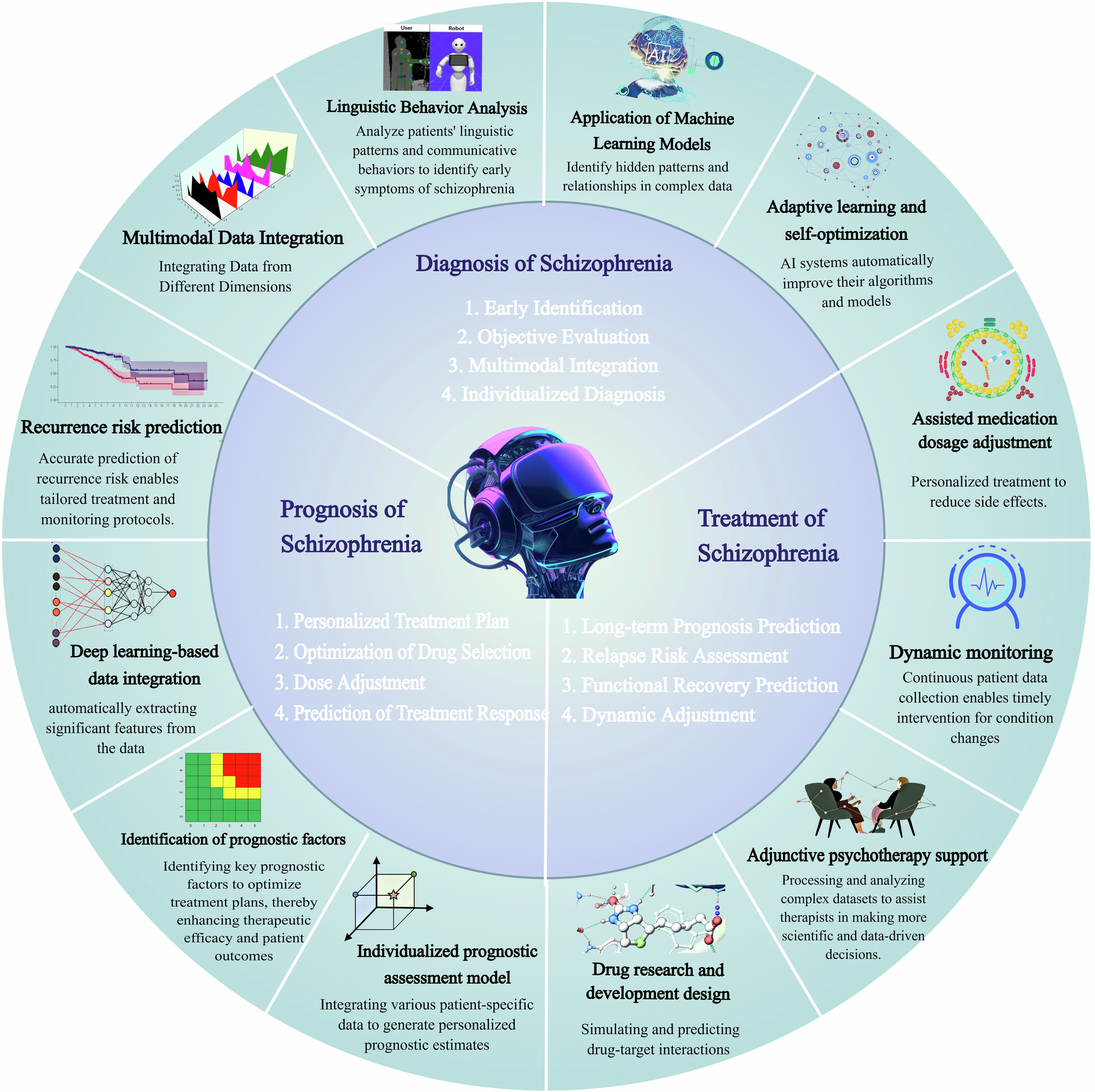
Recent work in this area often uses AI to connect genome-wide association study results with gene regulation, brain cell types, and pathways tied to neurodevelopment. The goal is not to declare a single culprit gene. The goal is to narrow the list of suspects.
Common tasks for these models
- Variant scoring. Rank DNA changes by how likely they are to matter.
- Gene mapping. Link distant variants to genes they may influence.
- Cell-type matching. Identify which brain cells show the strongest signal.
- Pathway analysis. Group genes into biological systems that may be disrupted.
That workflow is useful because schizophrenia research has been stuck on one of biology’s ugliest problems. Most of the risk lives in tiny effects spread across the genome, and the signal is easy to bury. AI helps clean the window. It does not build the house.
Where AI and schizophrenia genetics can help patients, and where it cannot
For now, the biggest value is research triage. AI can help scientists choose which variants, genes, or pathways to test in neurons, organoids, or animal models. That can save time and money.
But it is too early to treat these models as diagnostic tools. A genetic score is not a verdict, and it is not a personal forecast. Why? Because schizophrenia risk also depends on development, environment, stress exposure, substance use, and other factors that no genome-wide model captures perfectly.
The practical win is prioritization. If a model points to a pathway involved in synapse function or brain development, researchers can test it in the lab and see whether it changes cell behavior.
What to watch next in AI and schizophrenia genetics
The next step is better integration. Models will get more useful when they combine DNA, RNA, protein data, and brain-cell context in one analysis. That kind of multi-layer approach is messier, but it is closer to how biology actually works.
Expect more pressure for transparency too. If a model says a variant matters, scientists will want to know why. Black box output may be fine for product recommendations. It is not fine for psychiatry research.
Here is the real test. Can AI help researchers move from a long list of genetic hints to a short list of mechanisms that hold up in the lab? If it can, the field gets a sharper map. If it cannot, the software is just a faster way to chase noise.
What this means for the next wave of research
The most useful AI tools in this space will be the boring ones. They will rank, filter, and cross-check. They will help scientists spend less time guessing and more time testing.
That may not sound flashy, but science rarely runs on flash. It runs on better filters, cleaner evidence, and fewer dead ends. And if AI can do that for schizophrenia genetics, the real payoff is not a headline. It is a better shot at understanding a disease that has stayed stubbornly opaque for too long.