AI Celebrity Deepfake Ads on TikTok Are Getting Harder to Spot
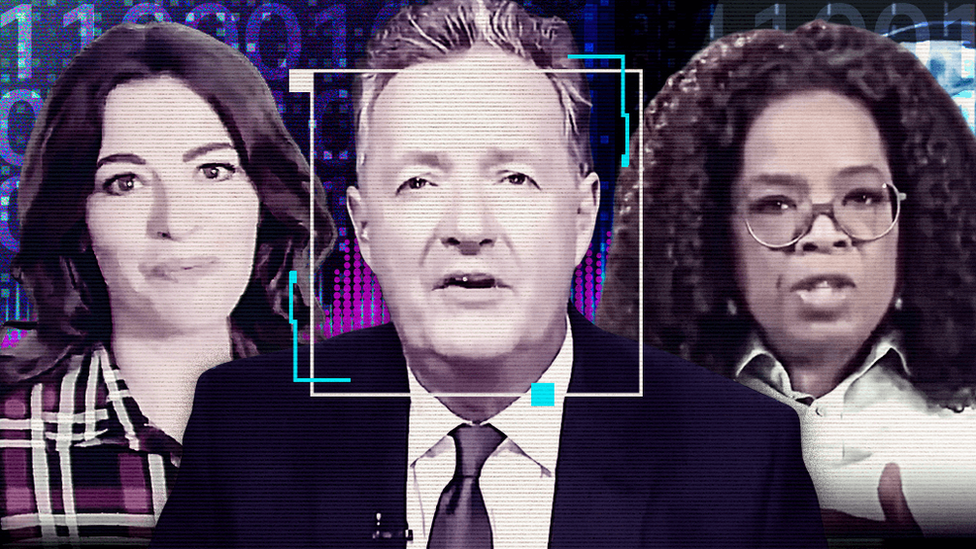
You are being asked to make trust decisions in seconds, and that is exactly why AI celebrity deepfake ads matter right now. These fake endorsements use familiar faces, cloned voices, and cheap AI tools to push products that many people would ignore if the ad came from an unknown account. TikTok is a prime target because its feed moves fast and users often decide with a glance, not a fact check. A recent report from The Verge, citing tests by Copyleaks, shows how uneven detection still is. Some deepfake ads were flagged. Others slipped through. That gap matters if you rely on platforms, or even AI detectors, to protect you. Look, the scam does not need to fool everyone. It only needs to fool enough people for the fraud to pay.
What stands out
- Copyleaks found that some celebrity deepfake TikTok ads were identified as AI-generated, but not all of them.
- Fake endorsements work because they borrow trust from public figures people already know.
- TikTok’s speed and volume make manual moderation tough.
- You should treat celebrity ads for finance, health, and giveaway offers as high risk by default.
Why AI celebrity deepfake ads spread so well
Scammers are following a simple playbook. They take a known face, attach a fake script, and pair it with a product that promises easy money, a health fix, or access to something exclusive. That mix is cheap to produce and easy to test at scale.
And the platform design helps them. Short videos autoplay. Audio kicks in fast. The user keeps scrolling. It is a bit like a pick-and-roll in basketball. The fake celebrity creates a moment of confusion, and the sales pitch slips past your guard before your brain catches up.
Deepfake scam ads do not need perfect realism. They need enough familiarity to lower your skepticism for a few seconds.
That is the dirty secret here. Most people are not doing frame-by-frame analysis on a TikTok ad while waiting for coffee.
What the Copyleaks test says about AI celebrity deepfake ads
The Verge reported on Copyleaks testing several celebrity deepfake ads found on TikTok. The broad takeaway is not reassuring. Detection worked in some cases, but it was inconsistent. That means the tools can help, yet they are far from a safety net.
Why does this happen? Detection systems look for patterns in image generation, voice synthesis, lip sync, and editing artifacts. But scammers keep changing the recipe. Crop the frame, re-encode the file, add filters, layer captions, or mix real footage with synthetic audio, and the signal gets weaker.
Honestly, this is the same pattern we have seen for years in spam and malware. Defenders build a filter. Attackers adjust. Then the filter misses the next batch.
What likely throws detectors off
- Low-quality source clips that hide visual flaws.
- Short runtimes that give detectors less evidence.
- Hybrid edits that combine real video with fake voiceovers.
- Heavy compression from social platforms.
- Rapid reposting across accounts, which muddies origin tracking.
So if you are asking, can AI detectors catch these ads reliably? Not yet.
Why platform moderation keeps falling behind
Moderation at TikTok scale is a brutal numbers problem. Millions of videos move through the system, and bad actors can upload faster than reviewers can respond. Add affiliate marketers, burner accounts, and cross-border scam operations, and enforcement turns messy fast.
There is also a policy problem. A platform can ban deceptive ads, impersonation, and manipulated media, but enforcing those rules in real time is harder than writing them. Some fake ads are obvious. Others sit in a gray zone until a complaint, media report, or public backlash forces action.
(And yes, the same ad can disappear from one account and reappear from three others by evening.)
How to spot AI celebrity deepfake ads before they fool you
You do not need forensic software to lower your risk. You need a tighter checklist and a little suspicion.
A quick screen for suspicious ads
- Check the claim. Is the celebrity pushing crypto, miracle supplements, or a giveaway that feels off-brand?
- Watch the mouth and voice. Poor lip sync, flat pacing, and odd emphasis are common tells.
- Look at the account. New profiles, low engagement, or mismatched posting history are bad signs.
- Inspect the landing page. Scam sites often use messy URLs, fake news branding, or urgent countdowns.
- Search for reporting. A quick web search of the celebrity name plus the product often surfaces warnings.
One rule matters more than the rest. Never trust a celebrity endorsement in a social ad without outside confirmation.
What brands, creators, and platforms should do next
This problem is bigger than one fake ad. It hits trust across the whole ad market. If users cannot tell what is real, legitimate advertisers pay the price too.
Brands and public figures should monitor for impersonation aggressively and push takedowns fast. Platforms should add clearer disclosure, stronger identity checks for advertisers, and faster escalation when a public figure is used in a paid promotion. Detection vendors should also be more candid about failure rates. Partial coverage is useful, but only if buyers understand the gaps.
The worst outcome is false confidence. A weak detector that looks authoritative can make people less careful, not more.
What this means for the next wave of AI scams
AI celebrity deepfake ads are an early warning, not a sideshow. The same methods can be used for fake financial advice, political persuasion, job scams, and customer support fraud. As voice cloning improves and video tools get cheaper, the threshold for believable deception keeps dropping.
But hype can muddy the picture. We do not need to pretend every synthetic clip is undetectable or that every platform is helpless. We do need to accept that trust online is now a verification problem, and verification takes friction.
That friction is non-negotiable.
The smart move from here
If you use TikTok, Instagram, YouTube Shorts, or any fast video feed, update your habits now. Pause before clicking. Verify celebrity endorsements through official accounts or reputable news coverage. Report suspicious ads when you see them. And if you run a business, assume impersonation attacks are part of your threat model already.
Here’s the thing. The next deepfake ad will probably look a little cleaner than the last one. Will the platforms get faster before the scammers get better?