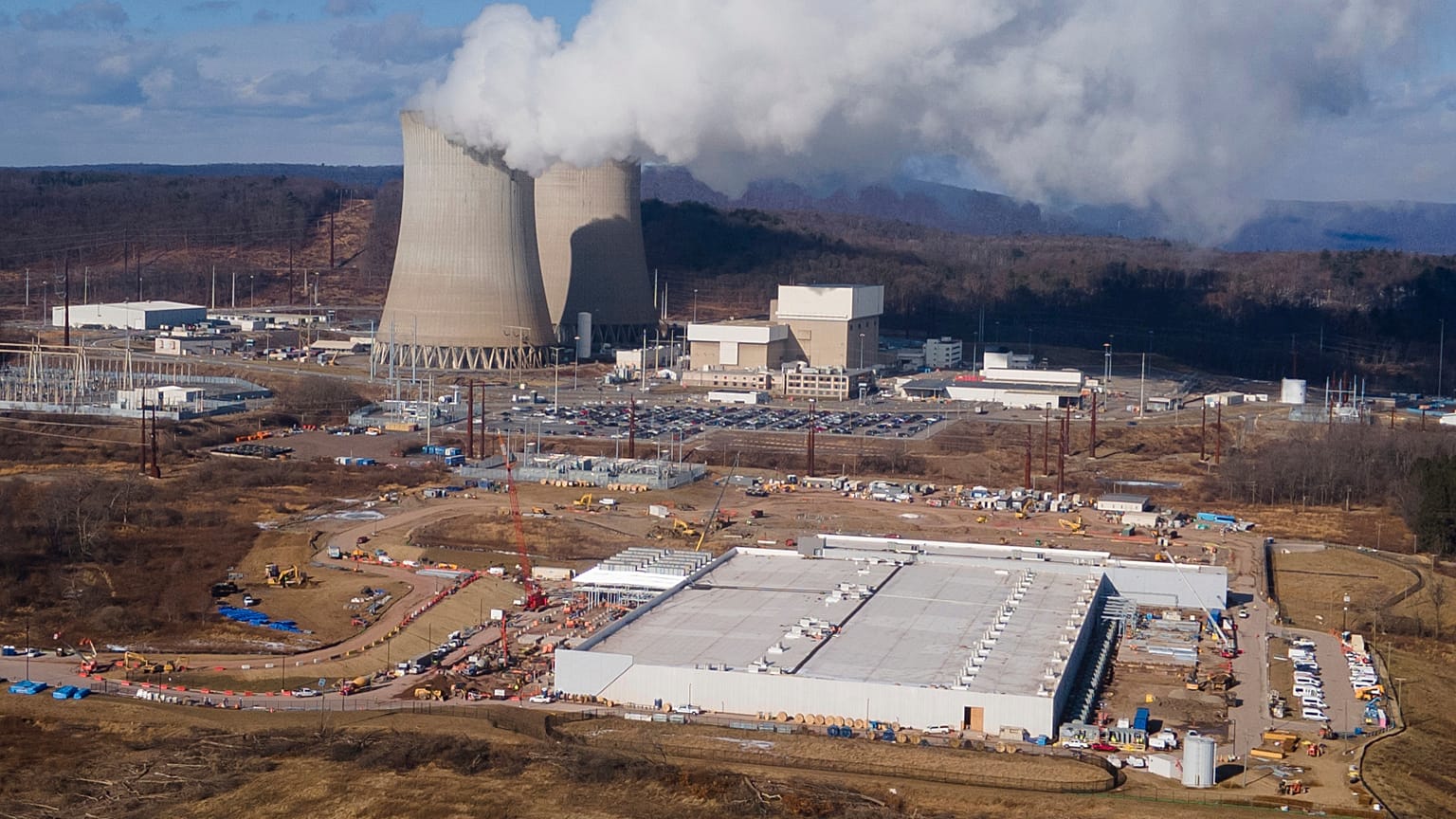
AI Data Center Pollution Is a Health Problem Now
You may use an AI chatbot for a few minutes, but the physical cost can sit with a neighborhood for years. AI data center pollution has become harder to ignore as companies race to build larger server farms for training and running models. The Verge has reported on concerns that these facilities can add stress to local air quality, especially when backup diesel generators and new power demand enter the picture. That matters now because AI growth is colliding with an electric grid already under strain in many regions. The health question is blunt: who breathes the emissions when the cloud needs more power? After years covering this beat, I think the industry has been far too comfortable treating infrastructure as a footnote.
What to Watch
- AI data centers are physical industrial sites, not abstract cloud services.
- Diesel backup generators can emit nitrogen oxides and fine particles during testing or outages.
- New electricity demand can keep fossil fuel power plants running longer in some markets.
- Local permits matter because they decide what gets built, monitored, and disclosed.
- Communities need plain data on emissions, water use, and emergency operations.
Why AI Data Center Pollution Is Different From Older Cloud Growth
Data centers were already expanding before the generative AI boom. What changed is the intensity of the hardware and the speed of deployment, with GPU-heavy facilities requiring dense power, cooling, and redundancy. That makes the local footprint harder to wave away as routine tech growth.
Older cloud facilities often scaled for storage, websites, apps, and enterprise software. AI clusters can draw huge amounts of power in concentrated bursts, and companies want those clusters online fast. Speed is where public oversight can get squeezed.
AI may feel weightless on your phone, but the infrastructure behind it looks a lot more like heavy industry than software.
How AI Data Center Pollution Reaches People
The first pathway is direct on-site emissions. Many data centers rely on banks of diesel backup generators so servers stay online during grid failures, and those units may run during maintenance tests as well as emergencies. Diesel exhaust is tied to fine particulate pollution, nitrogen oxides, and other pollutants that can worsen asthma and heart disease, according to public health agencies such as the EPA.
The second pathway is indirect. If a new facility increases electricity demand, local utilities may need more generation from gas or coal plants, depending on the grid mix and time of day. The pollution may not come from the data center fence line, but someone still lives near the smokestack.
The real fight is over who absorbs the externalities.
Water and noise also belong in the conversation, even if air pollution is the sharper health issue here. Cooling systems can strain local supplies in dry regions, and constant equipment hum can degrade quality of life near large facilities. Those impacts are easy to dismiss until you are the one living next door.
What the EPA and Local Regulators Can Actually Do
The EPA sets national air quality standards and oversees major pollution programs, but many data center decisions happen through state and local permitting. That split creates a policy gap. Federal rules may define the ceiling, while local boards decide whether a project gets a pass, a permit limit, or real scrutiny.
Permits for backup generators should be boring on purpose. They should specify how often engines can run, what pollution controls are required, and how emissions data will be reported. If a company says the generators are only for rare outages, then the permit should make that claim measurable.
Questions every permit hearing should ask
- How many backup generators will be installed, and what fuel will they use?
- How many hours can each unit run for testing, maintenance, and emergency use?
- Will the company publish emissions data in a format residents can read?
- What grid upgrades or power contracts are tied to the facility?
- Has the developer modeled cumulative pollution with nearby roads, factories, or power plants?
AI Data Center Pollution and the Transparency Problem
Tech companies often publish climate targets, renewable energy claims, and glossy sustainability reports. Those documents can be useful, but they rarely answer the question a nearby resident cares about most: what will this facility emit on this street? Look, annual carbon accounting is not the same thing as local air quality.
Some firms buy renewable energy credits or sign power purchase agreements to match electricity use. That can help finance clean energy, but it does not always mean the data center runs on clean power every hour. A facility can look green on paper while the regional grid still leans on fossil plants during peak demand.
Think of it like a restaurant kitchen. The owner may buy high-quality ingredients, but if the exhaust hood vents smoke into the apartment upstairs, the neighbor has a separate problem. Carbon math and local pollution overlap, but they are not identical.
What Communities Should Demand Before Saying Yes
Residents do not need to become electrical engineers to ask better questions. They need enforceable answers, public documents, and monitoring that continues after the ribbon-cutting. The best time to demand those terms is before construction starts.
- Public emissions estimates: Ask for projected nitrogen oxides, particulate matter, and greenhouse gas emissions.
- Generator limits: Push for caps on testing hours and cleaner alternatives where possible.
- Continuous disclosure: Require annual reporting on generator runtime, energy use, and water consumption.
- Cumulative impact review: Make regulators account for nearby highways, factories, warehouses, and power plants.
- Community benefits: Tie approvals to local grid upgrades, health monitoring, or pollution reduction funds.
Developers will say reliability is non-negotiable, and they are right. Hospitals, banks, emergency systems, and basic online services depend on resilient infrastructure. But reliability does not excuse lazy permitting or vague emissions promises.
The AI Industry Needs a Cleaner Buildout
The uncomfortable part for Big Tech is that AI growth depends on public tolerance. People may like faster assistants, coding tools, and image models, but they will not accept being treated as collateral damage for another server hall. Once a community sees smokestacks, fuel tanks, and substation upgrades, the magic fades quickly.
There are better paths. Companies can locate projects where clean power is abundant, use batteries to reduce diesel runtime, support transmission upgrades, and publish site-level pollution data. None of that is charity. It is the price of building infrastructure at this scale without torching public trust.
What Happens Next
AI data center pollution should be judged with the same seriousness as any other industrial buildout. If a project needs vast power, diesel redundancy, and public infrastructure, it should face clear rules and public oversight. The next smart move for residents is simple: read the permit, ask who measures the emissions, and make the company put its promises in writing.