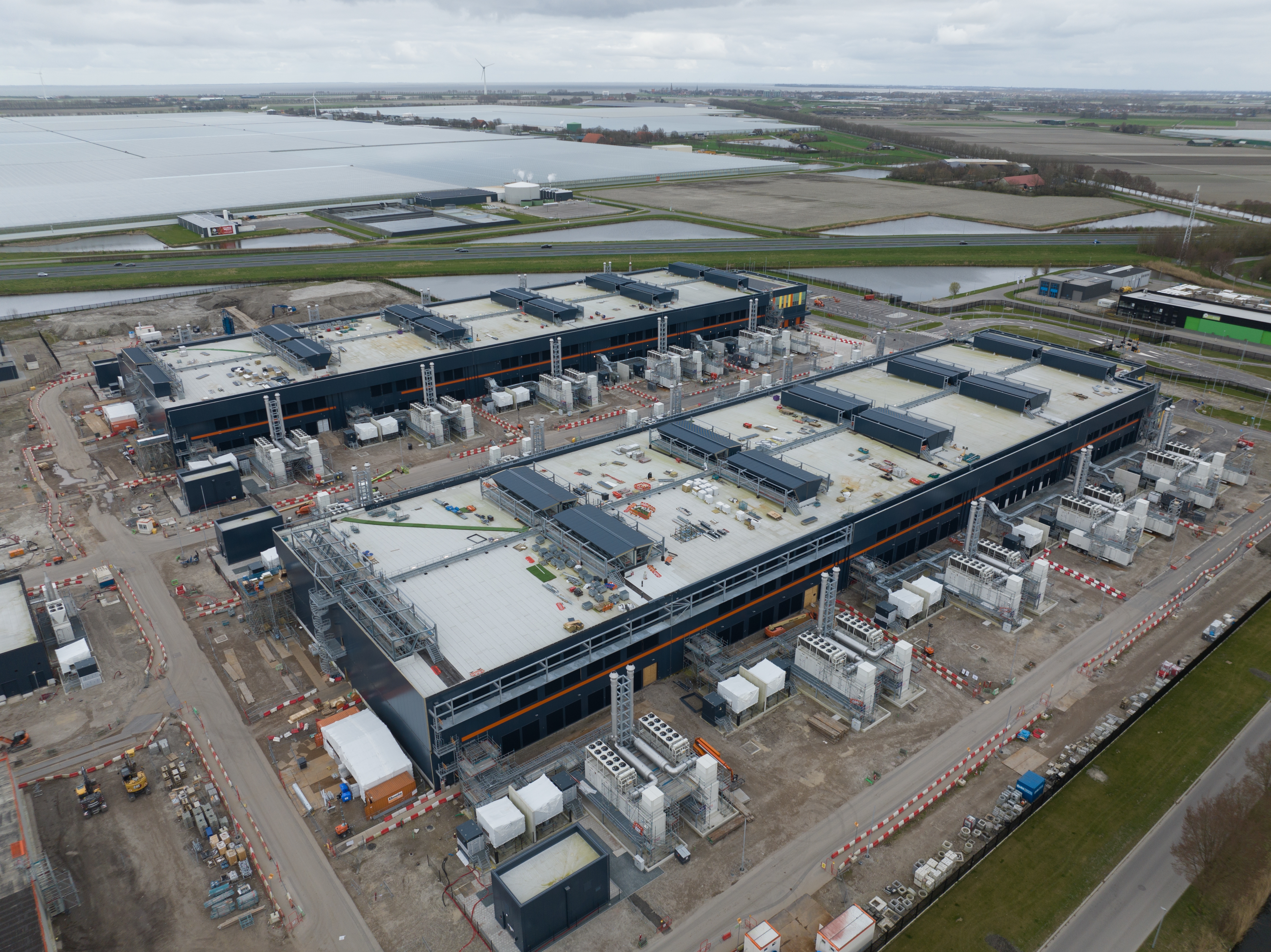
AI Data Centers Race to Build Natural Gas Plants: Costs, Risks, Next Steps
Natural gas powered data centers are the latest move by AI companies chasing reliable electricity as they expand model training. You face grid queues measured in years, rising tariffs, and investors who expect uptime. Tying a private gas plant to your racks looks like a shortcut: predictable megawatts, insulation from brownouts, and a clear construction path. The stakes are high because each hyperscale cluster now rivals a small city in demand. I have watched this cycle before with colocation booms, and the same question lingers: will on-site gas age well as policy and carbon rules tighten? The answer depends on how you design, contract, and disclose your energy plan.
Early Signals You Should Not Ignore
- Gas turbines can add 30% or more to total project cost once pipelines and interconnects land on the balance sheet.
- Volatility in Henry Hub prices can swing operating expenses by millions per quarter.
- Permitting for pipelines and water use often drags longer than the turbine build itself.
- Air quality constraints may cap your usable output below nameplate ratings.
Why Natural Gas Powered Data Centers Appeal to AI Builders
The attraction is obvious: gas offers firm capacity when grids stall. You get faster time-to-power, and you can right-size turbines to match each phase of cluster growth. Think of it like a chef building a dedicated kitchen rather than renting time at a crowded commissary. The control feels liberating until the utility or regulator asks for proof that your stack will not dent local air quality goals.
“Reliability is the new currency for AI tenants,” a Midwest utility planner told me, “but every megawatt now comes with neighbors who expect a say.”
Hidden Costs and Operational Traps
Pipeline buildout often eclipses the turbine invoice, especially if you need miles of right-of-way. Water for cooling and emissions controls can trigger public pushback. Spot gas pricing looks calm today, yet a cold snap can shred your budget overnight. One bad bet can lock you into decades of fuel risk.
MainKeyword Risk Checklist
- Model fuel exposure under extreme weather cases, not just base forecasts.
- Secure dual-fuel or storage options to ride through price spikes.
- Bundle carbon capture plans only if you can verify capture rates and disposal capacity.
- Map curtailment rules so turbines do not sit idle when local air alerts hit.
MainKeyword Planning That Survives Policy Shifts
Design your natural gas powered data centers with modularity. Add turbines in blocks, test interconnect performance, then expand. Keep contracts flexible so you can pivot to grid power or renewables as they come online. Here is the thing: regulators reward transparency. Publish emissions baselines, methane intensity of your supply, and plans for offsets that actually retire carbon instead of recycling credits. Will your board stay comfortable if methane leakage data shows up in local press?
Integration Tactics That Work
- Co-location with renewables: Pair gas units with nearby solar or wind to trim runtime and soften the carbon profile.
- Heat reuse: Route waste heat to district systems or greenhouses to earn community support.
- Demand response revenue: Enroll turbines in grid support programs when safe; it offsets fuel cost.
- Battery buffers: Use storage to smooth ramp-up, reducing turbine cycling wear.
Alternatives Worth Pricing
Do not ignore transmission-level connections even if the queue is long. Some campuses now blend a smaller gas unit with long-term power purchase agreements and batteries. It resembles building a sports roster: you need stars, but the bench must be deep. Hydrogen-ready turbines remain speculative; budget for upgrades instead of assuming drop-in fuel swaps.
Compliance and Community Strategy
Get ahead of environmental impact statements. Share plume modeling, noise profiles, and water sourcing plans in plain language. Offer community benefits tied to measurable outcomes, not vague promises. If you face a permit appeal, speed often hinges on whether residents feel informed.
What to Do Next
Move fast on load forecasting so turbine sizing matches AI roadmap reality. Lock fuel hedges for the first operating years to keep investors calm. Build a decommissioning reserve because policy winds shift. And keep the door open to grid interconnection the moment capacity frees up.
Looking Ahead Without Blinders
Gas may buy you time, not a permanent moat. Use that window to prepare for cleaner feeds, better cooling, and more efficient models. The next round of regulation will ask for proof, not promises.