AI Economy Cracks: What Five Insiders Say Is Breaking
The AI economy looks massive from a distance. Funding is still flowing, model releases keep coming, and every board wants an AI plan. But if you are trying to separate real value from noise, the story gets messy fast. This matters now because the AI economy cracks are showing up in the places that usually fail first: costs, distribution, trust, and business models. If those weak points widen, a lot of companies built on thin assumptions will feel it.
TechCrunch recently gathered five people who helped shape this market and asked where things are starting to come apart. Their answers point to a simple truth. AI is not running out of ambition. It may be running into economics, physics, and customer patience. So what should you actually pay attention to?
What stands out right away
- Compute costs still distort the market. Many AI products look polished, but their unit economics remain shaky.
- Distribution is getting tighter. Platform owners and model providers can squeeze startups from both sides.
- Trust is fragile. Enterprises want proof, not demos, especially around accuracy, security, and compliance.
- Too many companies are selling wrappers. That is a hard place to build durable margin.
Why the AI economy cracks are showing now
Early hype can hide weak foundations. Cheap capital, giant valuations, and fear of missing out gave many AI companies room to grow before they had to prove hard business facts. That grace period is shrinking.
Look, software markets usually punish companies that cannot defend pricing or control costs. AI adds a harsher twist because inference is expensive, model quality changes quickly, and customers can switch if a better tool appears next month. It is a bit like building a restaurant on rented land while your supplier rewrites the menu every week.
Strong demos win meetings. Strong economics keep companies alive.
That gap matters. A lot.
AI economy cracks in business models
The wrapper problem is real
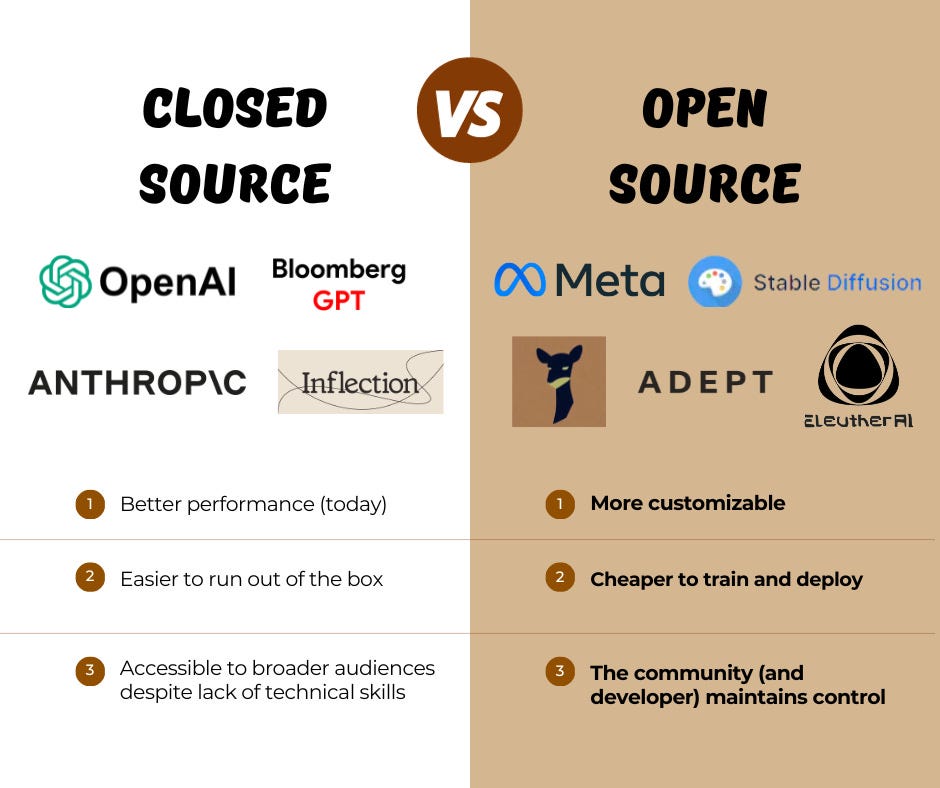
One of the clearest fault lines is the rise of thin AI products built on top of someone else’s model. These tools can get traction fast. But they often depend on APIs they do not control, pricing they cannot predict, and features that upstream vendors may copy.
If your whole company is a nicer interface for a model from OpenAI, Anthropic, Google, or another foundation provider, how much of your moat is actually yours? That question is becoming non-negotiable for investors and buyers.
Revenue quality matters more now
Annual recurring revenue still looks good in pitch decks. But smart buyers are asking different questions. Are users active after the pilot? Does the tool replace labor or just add another subscription? Is the AI output accurate enough to trust in a live workflow?
And if human review stays in the loop forever, margins can get ugly.
Where cost pressure hits the hardest
AI has always had an awkward secret. The user experience can feel cheap or free, while the back-end costs are anything but. Training gets the headlines, but inference is where many products bleed over time.
That creates a brutal tradeoff:
- Use stronger models and pay more.
- Use cheaper models and risk lower quality.
- Add guardrails and human review, which raises operating cost again.
For enterprise vendors, this can turn growth into a trap. More usage sounds great until every new customer raises your cloud bill faster than your revenue. We have seen versions of this before in tech. Scale is only helpful when the math improves with scale.
What buyers should ask before betting on an AI vendor
If you are evaluating AI tools, this is the section that matters most. Forget the stage demo for a minute and press on the basics.
- What model or models power the product today?
- Can the vendor switch providers without breaking quality or cost targets?
- How often do users need to correct outputs?
- What data leaves your environment, and how is it stored?
- Does the tool save time in production, or only in controlled tests?
- What happens to pricing if usage doubles?
Honestly, those questions expose weak companies fast. The best vendors answer with specifics, not hand-waving.
Why trust and compliance are now part of the AI economy cracks
Consumer users may forgive weird output once or twice. Enterprises usually will not. A model that hallucinates legal language, exposes sensitive data, or fails an audit is not a minor bug. It is a purchase blocker.
This is where AI economics and AI governance collide. Security reviews slow deals. Data residency rules complicate deployment. Industry-specific rules in healthcare, finance, and government add more friction. That does not kill demand, but it does favor vendors that can prove reliability under pressure.
And that is the larger point. Trust is no longer a branding issue. It is a sales and retention issue.
Platform power is tightening the screws
The biggest companies in AI hold unusual control over chips, cloud infrastructure, foundation models, and distribution. Startups can still win, of course, but they are playing on a field built by someone else. That means dependence at multiple layers.
Here is the strategic risk:
- Cloud providers set the economics of compute.
- Model vendors shape quality, latency, and pricing.
- App platforms can absorb features that startups use as wedges.
Veteran tech reporters have seen this movie before with search, mobile, and social. The script changes, but the power pattern looks familiar. Startups thrive in the gaps, then the platform owners close some of those gaps once demand is obvious.
Who is most exposed to the AI economy cracks?
Not every AI company faces the same level of risk. The most exposed groups tend to share a few traits.
Companies with weak differentiation
If the main value is prompt tuning, a template library, or a cleaner front end, the pressure is obvious. Customers can churn quickly when alternatives pile up.
Companies with unstable margins
A product can grow fast and still be fragile if serving customers gets more expensive with every new contract. Investors are getting less patient with that story.
Companies selling into cautious enterprises
Long sales cycles are manageable when the product solves a painful problem. They are much harder when the value is vague, the compliance story is thin, or internal buyers are still unsure who owns the budget.
What this means for operators and investors
The useful read on this moment is not that AI is collapsing. It is that the market is sorting itself out. Hype stretched expectations. Now economics are pulling them back to earth.
For operators, that means focusing on products with measurable workflow value, lower cost-to-serve, and a clear path to trust. For investors, it means asking whether a company owns enough of its stack, or enough of the customer relationship, to survive model churn.
One practical test helps. If a better base model appeared tomorrow, would this company become stronger, or obsolete?
What to watch next
The next phase of the AI market will reward discipline more than spectacle. Expect more scrutiny on gross margins, retention, deployment friction, and real customer outcomes. Expect buyers to favor tools that fit existing workflows instead of forcing teams to rebuild everything around a chatbot.
But do not mistake a shakeout for failure. Some of the best businesses in AI may be built during this tougher stretch, precisely because the easy stories are wearing thin. The real winners will probably look less flashy and more durable. That is where I would keep my eyes.