AI Enterprise Software and Atlassian’s SaaS Reckoning
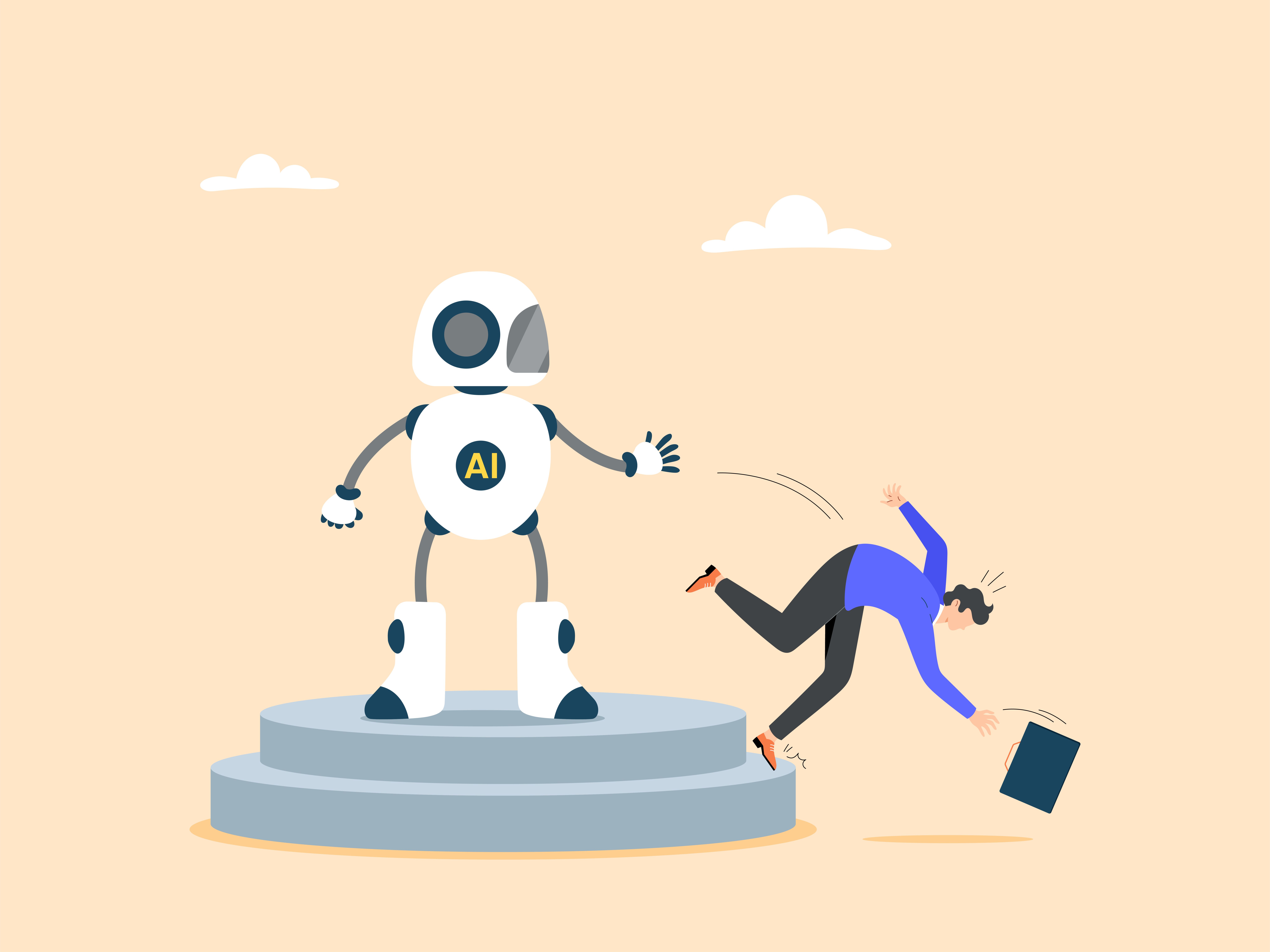
Your software stack is probably too crowded, too expensive, and too hard to explain to the people who pay for it. That is why AI enterprise software has become such a charged topic now. In a recent interview on The Verge’s Decoder podcast, Atlassian co-CEO Mike Cannon-Brookes talked about the so-called SaaSpocalypse, the idea that AI could wipe out large chunks of the software-as-a-service market. His view is more measured than the label suggests, but it still lands like a warning shot. If AI can complete tasks across apps, summarize work, open tickets, update boards, and answer project questions, why should every team keep paying for every narrow tool? That question matters to buyers, admins, and product leaders because the next budget cycle will not reward bloated software portfolios.
What Matters Right Now
- AI enterprise software is shifting value from screens to outcomes. Tools that only store work may feel exposed.
- Atlassian has a real advantage in work data. Jira, Confluence, Trello, and Bitbucket hold years of project context.
- The SaaSpocalypse is not one event. It looks more like a slow budget squeeze across overlapping tools.
- Buyers should audit workflows before buying more AI add-ons. The boring spreadsheet may save more money than the shiny demo.
Why AI Enterprise Software Threatens the Old SaaS Deal
The classic SaaS promise was simple. Put a clean interface in the browser, charge by seat, and make teams more productive than they were with email and spreadsheets.
AI changes that bargain because it can sit above the interface. If an agent can create a Jira issue from a Slack thread, pull context from Confluence, assign an owner, and update a Trello board, the user may never open three of those products. That does not kill SaaS overnight, but it makes the user interface less sacred.
Software vendors used to sell the place where work happened. AI pushes them to sell proof that work moved forward.
Look, this is not science fiction. Microsoft Copilot, Google Gemini for Workspace, ServiceNow’s AI agents, Salesforce’s Einstein features, and Atlassian Intelligence all point in the same direction. The vendor that owns the workflow graph has a better shot than the vendor that owns one lonely tab.
What Atlassian’s CEO Is Really Saying About AI Enterprise Software
Cannon-Brookes has reason to push back on panic. Atlassian sells into teams that depend on structured work records, especially software teams, IT teams, and product groups. Jira is not a sticky note app. It is often the operating log for how a company builds, fixes, and ships.
That creates a different AI opportunity. Atlassian can train product experiences around issues, pull requests, sprint plans, incident reviews, pages, comments, and decisions. In plain English, it can make AI useful because the data already has a shape.
But there is a catch. The same structure that makes Jira valuable can make it exhausting. Anyone who has managed a messy Jira instance knows the pain. Custom fields multiply, dashboards rot, and workflows start to look like a stadium built one hallway at a time.
The Trello Problem Is Different
Trello sits closer to lightweight collaboration. It is visual, friendly, and easy to adopt, which is why many teams still love it. But lightweight tools face a sharper AI threat because agents can recreate simple task boards quickly.
Does that mean Trello has no future? No. It means Trello has to prove it is more than a pretty board. The product needs automation, context, and handoffs that feel native, not tacked on for an investor slide.
The SaaSpocalypse Is Really a Budget Reset
The word SaaSpocalypse sounds theatrical, but the pressure behind it is real. CFOs have spent the past few years cutting duplicate tools, tightening seat counts, and asking departments to justify renewals. AI gives them a new reason to ask harder questions.
Here is the thing. Most enterprises do not have one project management tool, one knowledge base, or one chat system. They have layers. A marketing team may use Asana, engineering may use Jira, design may use Figma, support may use Zendesk, and leadership may still ask for a spreadsheet by Friday.
AI will not remove all that mess by magic. It may expose it. Once an assistant starts searching across systems, duplicate records and unclear ownership become much harder to ignore.
How Buyers Should Evaluate AI Enterprise Software Now
The practical move is not to chase every AI feature. Start with the work that already costs your team time. Then ask whether the AI feature removes steps, improves decisions, or simply writes nicer summaries.
- Map the workflow first. Pick one process, such as incident response, sprint planning, or customer escalation. Write down every system touched.
- Find the data source of record. If nobody knows whether truth lives in Jira, Salesforce, Slack, or a spreadsheet, AI will amplify confusion.
- Test with real work. Use stale demos as a warning sign. Ask vendors to run the tool against anonymized examples from your own process.
- Measure time saved and errors reduced. Do not settle for vague productivity claims. Track cycle time, reopened tickets, handoff delays, and search time.
- Check admin controls. Permissions, audit trails, retention, and data residency are non-negotiable in enterprise deployments.
Honestly, the best AI product evaluation often feels like kitchen prep. Before you cook, you clear the counter, sharpen the knife, and check what ingredients you actually have. Skip that work, and the meal gets messy fast.
Where Atlassian Has a Strong Hand
Atlassian’s biggest asset is not only its product list. It is the connective tissue between planning, documentation, code, service management, and team rituals. That gives the company a credible path to build AI features that know why a task exists, not only what a ticket says.
The Verge interview matters because Cannon-Brookes is not talking from the cheap seats. Atlassian has lived through waves of software change, from on-prem tools to cloud subscriptions to remote work. The company also knows that enterprise trust is earned slowly and lost quickly.
Security will decide more deals than sizzle.
For CIOs, the winning pitch will be boring in the best way. Can the AI respect permissions? Can it explain where an answer came from? Can it avoid leaking sensitive project notes into the wrong channel? Those questions beat mascot demos every time.
Where the Hype Gets Ahead of Reality
AI agents still break in ordinary ways. They misunderstand context, miss exceptions, and need clean permissions to act safely. In enterprise software, one wrong update can create a compliance headache or send a team chasing the wrong priority.
Vendors also have a pricing problem to solve. If AI reduces the need for seats, but vendors charge more for AI, buyers will ask for proof. A feature that costs extra while hiding inside an existing workflow has to show clear value.
Another wrinkle is culture. Many teams do not trust automation with core work yet, especially in regulated industries or high-stakes engineering environments. They may accept AI as a copilot before they accept it as an operator.
What to Watch Next in AI Enterprise Software
The next phase will come down to consolidation. Large platforms will try to absorb smaller workflow tools, while niche apps will argue that deep domain focus still matters. Both can be true, but the middle tier looks vulnerable.
Watch Atlassian’s moves across Jira Service Management, Confluence, and developer tooling. If the company can make AI connect planning, code, incidents, and documentation without adding admin pain, it will have a strong story. If it adds another layer of configuration, customers will groan.
Buyers should enter renewal talks with sharper questions. Which tools own critical records? Which tools mostly repeat information from somewhere else? And which vendors can show measurable gains after 90 days, not just a polished demo?
The Smart Bet
The SaaSpocalypse will not look like a meteor strike. It will look like thousands of quiet renewal meetings where buyers cancel tools that no longer earn their seat count.
Atlassian is better positioned than many SaaS companies because it sits close to real work. Still, AI enterprise software will punish any vendor that confuses activity with value. Your next step is simple. Pick one workflow, audit every tool inside it, and ask which parts an AI system could handle without making your team trust it blindly.