AI Feature Names Need a Reality Check
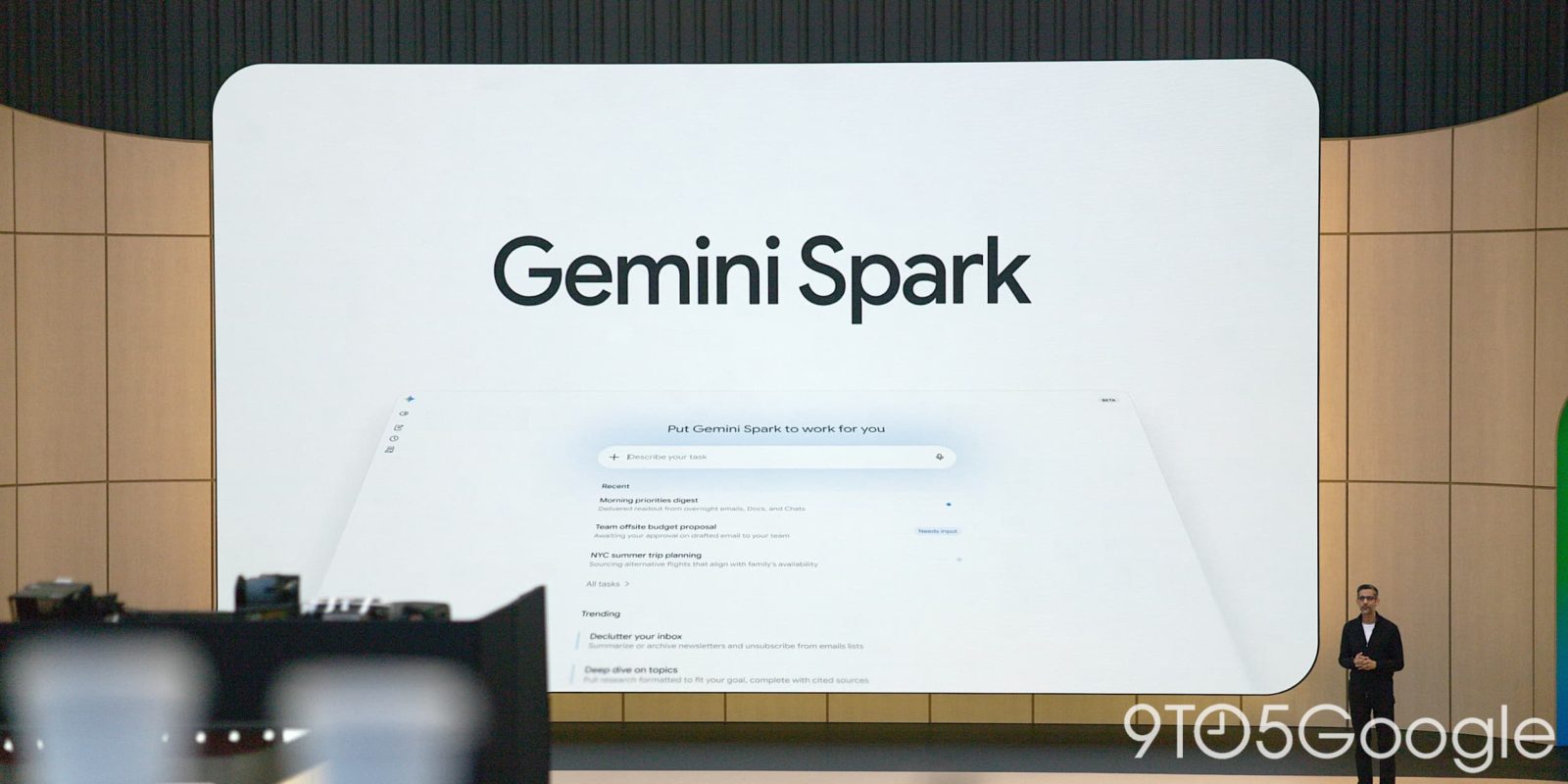
You keep seeing AI products marketed with words like reasoning, memory, agent, and reflection. The labels sound familiar, almost human. That is the problem. AI feature names now do more than describe software. They shape what you expect the system can do, how much you trust it, and whether you catch its limits before those limits cost you time or money. Wired recently pressed on this exact issue, and the criticism lands because the naming trend has gotten sloppy. If a chatbot searches the web, rewrites a prompt, or stores user context, calling that thought, memory, or agency blurs the line between automation and human cognition. Look, language matters. In AI, a bad label is not a cosmetic issue. It is product design, marketing, and risk communication rolled into one.
What to watch for
- AI feature names often borrow human psychology terms that overstate what the system does.
- Labels like reasoning and memory can push users to trust weak outputs too quickly.
- Clear naming helps buyers compare tools on function, not theater.
- Product teams should describe mechanism and limits, not implied intelligence.
Why AI feature names matter so much
Most users do not read model cards, benchmark notes, or technical docs. They read buttons, menus, product pages, and onboarding copy. So the label becomes the product story.
Call a feature memory, and people assume durable recall with context awareness. Call it reasoning, and they expect stepwise logic that survives edge cases. But many of these features are closer to session history, retrieval, tool use, or multi-step prompt chaining. That gap matters.
Would you trust a calculator more if it called multiplication “abstract reasoning”?
That sounds absurd, but AI branding often works the same way. It takes a narrow software behavior and wraps it in a human term that carries extra meaning the product has not earned.
Human words create human expectations. In AI products, that is often where the trouble starts.
How companies use human terms in AI feature names
“Reasoning”
This is probably the hottest label in AI right now. In many products, reasoning means the model spends more compute on an answer, breaks a task into intermediate steps, or uses a chain-of-thought-like internal process. Useful? Sure. Human-like reasoning? That is a stretch.
The issue is not that the systems do nothing different. The issue is that the word implies a richer mental process than what users can verify. And once that label sticks, product demos start to look like a magician’s patter instead of plain software documentation.
“Memory”
Memory can mean several very different things. It may refer to saved user preferences, retrieval from a vector database, chat history, or temporary context windows. Those are distinct functions with distinct privacy and reliability implications.
Yet one soft, familiar label covers all of them. That is like calling every drawer, pantry, and fridge in a kitchen “storage” and pretending the differences do not matter.
“Agents”
Agent is another term doing too much work. Sometimes it means a workflow that calls tools in sequence. Sometimes it means a bot that can act with limited autonomy under constraints. Sometimes it just means a chatbot with a few integrations.
Honestly, if everything is an agent, nothing is.
What better AI feature names would look like
If you want clearer product language, start with function. Name the mechanism first, then the user benefit. That makes the copy less flashy, but far more honest.
- Use concrete verbs. Say “web lookup,” “document retrieval,” “saved preferences,” or “multi-step task runner.”
- Explain scope. Tell users whether the feature works per chat, per account, or across apps.
- State the failure mode. If the system may save the wrong preference or fetch weak sources, say so in plain language.
- Avoid human mental terms unless the feature really maps to them. Most do not.
That approach also helps with procurement. Buyers comparing enterprise AI tools need to know what is actually included. A platform that says “persistent workspace memory” could mean something very different from one that offers “stored account preferences plus retrieval from approved documents.” One label sounds slick. The other helps a security team do its job.
Why this is bigger than marketing copy
There is a trust issue underneath all this. If a system is framed as thinking, remembering, or deciding in human-like ways, users may skip verification. They may hand over more authority than the tool deserves. In customer support, legal review, healthcare admin, or finance, that is a bad bet.
And regulators are paying closer attention to AI claims. The Federal Trade Commission has warned companies about overstating AI capabilities in marketing. Researchers and policy groups have also pushed for clearer disclosures around how AI systems work and where they fail. So this is not just a style complaint from media critics. It is a product integrity issue.
One sentence matters.
A button labeled “Ask the reasoning model” encourages different behavior than one labeled “Use slower mode for harder tasks.” Same possible backend. Very different expectation.
What product teams should do next with AI feature names
If you work on AI products, here is the practical fix. Audit every feature label as if it were a claim in an ad. Because it is.
- Replace anthropomorphic labels with operational ones where possible.
- Test naming with real users and ask what they think the feature can do.
- Check whether legal, support, and security teams interpret the term the same way.
- Pair the label with a one-line explanation inside the interface.
- Track misuse that stems from naming confusion, not just model error.
But there is also a competitive upside. Clear naming can become a trust signal. In a market full of puffed-up AI claims, blunt honesty stands out. Users notice when a company talks like an engineer instead of a stage performer.
The naming fight is really about accountability
Wired’s critique hits a nerve because the AI industry often sells implication rather than capability. Human-centered labels let companies borrow credibility from human intelligence without meeting the same standard. That may juice demos and headlines in the short term. It also sets users up for disappointment and avoidable mistakes.
Here’s the thing. The better AI products will likely be the ones that describe themselves with less theater and more precision. If your product stores preferences, call it that. If it retrieves files, say that. If it runs a loop with tools under guardrails, explain the loop.
AI feature names are not a side issue. They are a test of whether this industry is ready to speak plainly. And if it is not, users should keep pushing until it does.