AI Hardware Costs Are Hitting Your TV
You are not imagining it. Some consumer electronics are getting pricier even when the products are old, and AI hardware costs are a big reason. WIRED reported that a seven-year-old TV listed for $100 more than before, tied to rising component costs from the AI boom. That sounds absurd until you look at what sits inside almost every screen, laptop, phone, and game console. Memory chips, storage, displays, and power parts all sit in the same supply chain that now feeds data centers. So the AI spending spree does not stay inside Nvidia earnings calls. It can show up in your living room. The annoying part? You may pay more for hardware that did not get smarter, faster, or better looking.
What Matters Right Now
- AI hardware costs are spilling into consumer electronics through memory, storage, and other shared components.
- Older products can rise in price when replacement parts or manufacturing inputs get more expensive.
- TVs, laptops, game consoles, and phones all compete with data centers for pieces of the same electronics supply chain.
- Buyers should compare model years, specs, and price history before assuming a discount is real.
Why AI Hardware Costs Can Raise the Price of an Old TV
The weird part of WIRED’s example is not that a new gadget costs more. It is that an older TV can cost more after years on the market. Consumer electronics usually drift downward in price as production improves, inventory clears, and newer models take the spotlight.
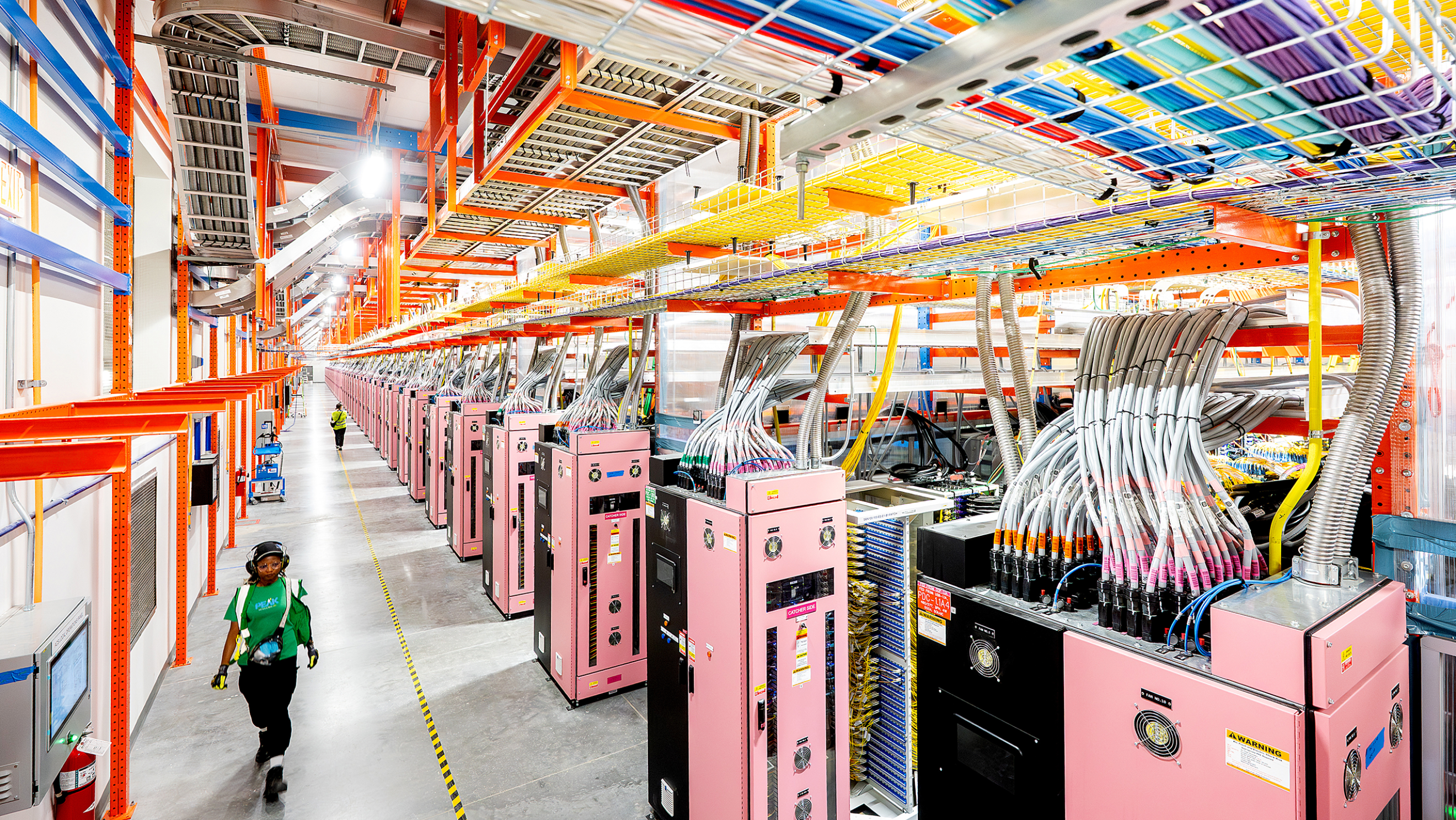
AI has bent that pattern. Data center operators are buying massive volumes of GPUs, high-bandwidth memory, SSDs, networking gear, and power equipment. Those purchases strain suppliers, and the pressure can move into less glamorous devices that use related parts.
AI demand does not need to touch every part of a TV to affect its price. If one shared component gets more expensive, the math changes. Retailers and manufacturers rarely absorb that pain for long.
A TV is not an AI server, obviously. But it still needs memory, storage, chips, circuit boards, power components, and a display supply chain that runs through many of the same companies and factories. Think of it like a restaurant kitchen. If every steakhouse in town starts buying up the same butter, your neighborhood bakery may pay more for croissants too.
The AI Hardware Costs Chain, From Data Center to Checkout
The connection starts with data centers. Companies building AI systems need huge clusters of accelerators, and those clusters require memory, networking equipment, storage, cooling systems, and power hardware. Nvidia gets the headlines, but the spending reaches Micron, Samsung, SK Hynix, TSMC, Broadcom, Supermicro, and many smaller suppliers.
Consumer electronics brands then face a less friendly parts market. If memory prices rise, a TV maker can redesign a board, accept lower margins, reduce promotions, or raise prices. Guess which option shoppers notice first?
That is the bill coming due.
Retail pricing also has a lag. A product can sit quietly at one price for months, then jump after a new batch arrives or after a retailer resets margins. This is why price trackers can tell a different story than a product page that claims a sale is running.
What Buyers Should Check Before Paying More
Look, I have covered enough gadget cycles to know one thing. A higher price does not mean a better product, and a discount badge does not mean you found a deal.
- Check the model year. A seven-year-old TV may lack newer HDMI features, brighter panels, better local dimming, or longer software support.
- Use a price tracker. Camelcamelcamel, Keepa, and retailer history tools can show whether the current price is normal or inflated.
- Compare against newer budget models. A newer TCL, Hisense, LG, Samsung, or Sony set may beat an old premium model in software support and gaming features.
- Watch memory and storage news. DRAM and NAND price swings can affect laptops, handheld gaming devices, mini PCs, and smart TVs.
- Do not pay for vague AI branding. If a TV claims AI picture processing, look for real tests from RTINGS, Consumer Reports, or other reviewers.
One practical rule helps. If an old model costs more than it did six months ago, make it justify itself with specs you can name. Better contrast, more HDMI 2.1 ports, lower input lag, stronger warranty support, something real.
AI Hardware Costs Are Not the Same as AI Features
Manufacturers love to blur two separate stories. One is cost pressure from AI infrastructure. The other is AI features in consumer products, such as image upscaling, voice control, recommendation systems, or automatic picture tuning.
Do not mix them up. A TV can get more expensive because AI data centers are eating parts supply, even if the TV itself has no useful AI feature. And a product can advertise AI features while still using older hardware underneath.
This matters because buyers often assume higher prices reflect product progress. Sometimes they do. OLED panels have improved, Mini LED sets have become more common, and gaming features have spread into cheaper models. But in this case, some of the price pressure comes from outside the living room.
Why This Hits More Than TVs
TVs are the easy example because price changes are visible. The same forces can affect many devices you may buy this year. Laptops need DRAM and SSDs. Phones need advanced chips and memory. Game consoles need storage, controllers, and power parts.
PC builders already know this rhythm. Memory and GPU prices can swing hard when crypto, AI, or supply shortages distort demand. The consumer gets told to wait, then buy now, then wait again. Fun, right?
The bigger concern is that AI infrastructure spending has become a first-order force in electronics. It can soak up production capacity, shift supplier priorities, and make boring parts less predictable. That is not hype. It is procurement math.
How to Buy Smarter While AI Hardware Costs Stay High
You cannot control memory markets, but you can control your buying process. Start with needs, not brand slogans. A bright living room, a PlayStation 5, and a wall-mounted setup each point to different priorities.
- For sports and bright rooms, prioritize brightness, motion handling, and anti-reflection performance.
- For movies, look at contrast, black levels, local dimming, and Dolby Vision support.
- For gaming, check HDMI 2.1, 120 Hz support, variable refresh rate, and input lag.
- For long-term use, check operating system support and whether the brand pushes ads too aggressively.
Then set a price floor and ceiling. If a product jumps above its usual range, walk away unless you need it now. Electronics deals are like cooking rice. Heat matters, but timing matters more.
The Smarter Move From Here
WIRED’s report is a useful warning because it shows how AI spending can touch ordinary purchases. The next time a stale TV, laptop, or storage drive costs more than it should, do not assume the market has lost its mind. Ask who else is buying the same parts, and whether you are paying for progress or for someone else’s data center buildout.
My advice is simple. Track prices for two weeks, read tests from reviewers that measure performance, and skip any old model that got more expensive without giving you something better in return. If AI is going to raise your bill, make the product earn the extra money.