AI Impostor Scams Are Getting Smarter
AI impostor scams are hitting people at the worst possible time, when a fake voice, a cloned face, or a polished message can feel real enough to trust. That matters now because criminals no longer need perfect grammar or a long setup. They can copy a boss, a bank rep, or a family member in minutes, then press you to act fast. The result is simple and ugly. You lose money, data, or both. And the old advice to “look for bad spelling” does not hold up anymore. How do you verify a person when the evidence sounds and looks convincing?
What you need to know fast
- AI impostor scams use voice cloning, fake video, and tailored text to look legitimate.
- Pressure is the tell. Scammers want you to act before you verify.
- Real organizations rarely ask for secrecy, gift cards, or wire transfers on the spot.
- Use a second channel. Call back on a known number, not the one in the message.
- Set family and workplace code words for urgent requests.
Why AI impostor scams work so well
These scams work because they copy the signals you trust. A cloned voice can mimic tone and rhythm. A fake video call can borrow a face and a bit of lag (which people now read as normal, thanks to terrible video quality everywhere). Text messages can be tuned to your job, your travel plans, or your relatives.
That makes the scam feel personal. It also makes it faster. The FBI and the FTC have both warned for years that impersonation fraud depends on urgency and authority. AI just gives crooks a cleaner mask.
The real danger is not the realism alone. It is the moment when realism meets panic.
How AI impostor scams usually start
Most attacks do not begin with a grand scheme. They begin with a small question, a short voice note, or a message that looks routine. Then the scammer nudges you into a narrow window where you feel you cannot pause.
Common patterns to watch
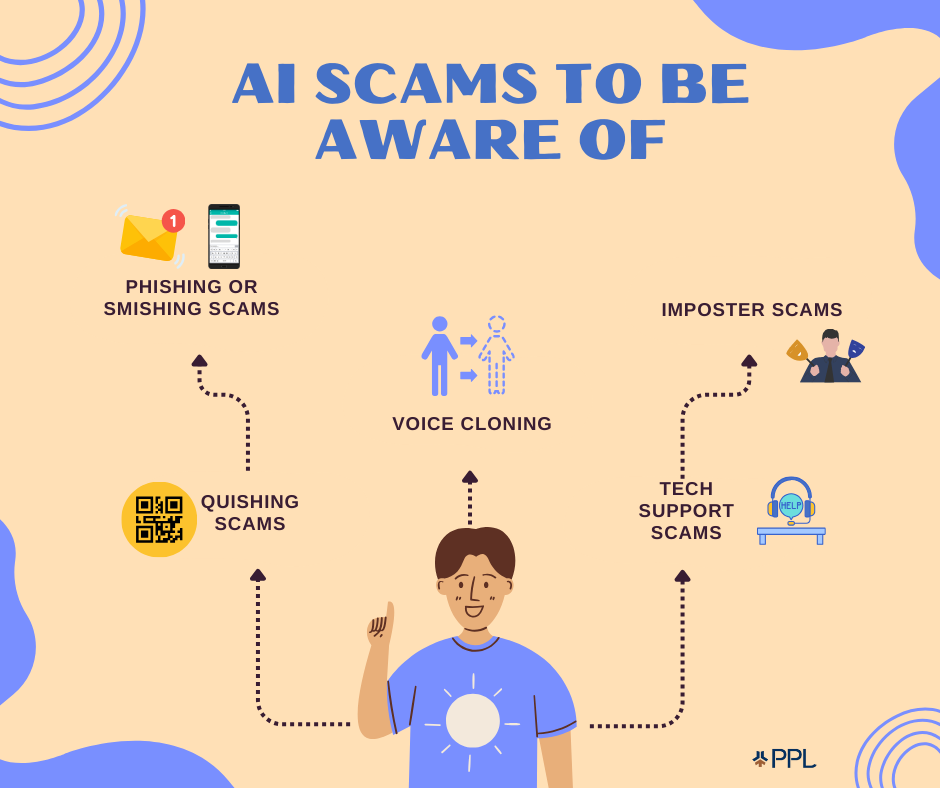
- A “boss” asks for an urgent payment or wire transfer.
- A “relative” says they changed phones and need help right now.
- A “bank” or “delivery company” asks you to confirm a code.
- A fake recruiter or vendor asks for payroll, login, or tax details.
Look, the scam is basically a rushed handshake in a noisy hallway. You do not get time to inspect the badge.
How to verify before you respond
Verification has to become a habit, not a last-minute rescue. Use the same play every time, because improvisation is where people get caught.
- Call back using a number you already trust.
- Use a known contact path, such as your company directory or saved family contact.
- Ask a detail only the real person would know, but avoid secrets that could already be leaked.
- Pause on urgent payment requests, even if the message sounds normal.
- Check whether the request fits past behavior. Real people usually have patterns.
And if you work in finance, HR, or IT, make verification mandatory for any transfer, password reset, or account change. That extra step is not bureaucracy. It is a seat belt.
Where AI impersonation is heading next
The next wave will likely mix channels. A scammer may send a text, follow with a voice call, then back it up with a fake document or a video clip. That layering matters because people tend to believe a story once it arrives from two or three places.
Companies will need stricter approval steps, and families will need simpler rules. One useful model is a code phrase for emergencies. Another is a no-transfer rule for any request made outside a normal process. Why give a stranger a shortcut just because the voice sounds familiar?
Practical steps you can take this week
Start with the high-friction fixes. They are boring. They also work.
- Turn on multifactor authentication for email, banking, and messaging apps.
- Remove public clues from social profiles that help scammers build a fake identity.
- Teach family members to verify urgent money requests by phone.
- Tell your team to treat voice or video requests for payments as suspect until confirmed.
- Report impersonation attempts to your bank, platform, or local fraud agency quickly.
Think of it like building a door frame. If the frame is weak, any lock looks fancy but useless. The same is true here. A good scam defense is a few strong habits, repeated every time.
What this means for trust online
AI impostor scams are forcing people to rebuild trust from the ground up. That is awkward, but necessary. The internet trained us to trust speed. Fraud is now training us to slow down.
My read is blunt: the winners here will not be the people who can spot a fake face on sight. They will be the people who refuse to let urgency make decisions for them.
So the next time a message feels almost right, stop and verify it another way. That pause may be the most valuable security tool you own.