AI Job Market for College Graduates: How to Compete and Win
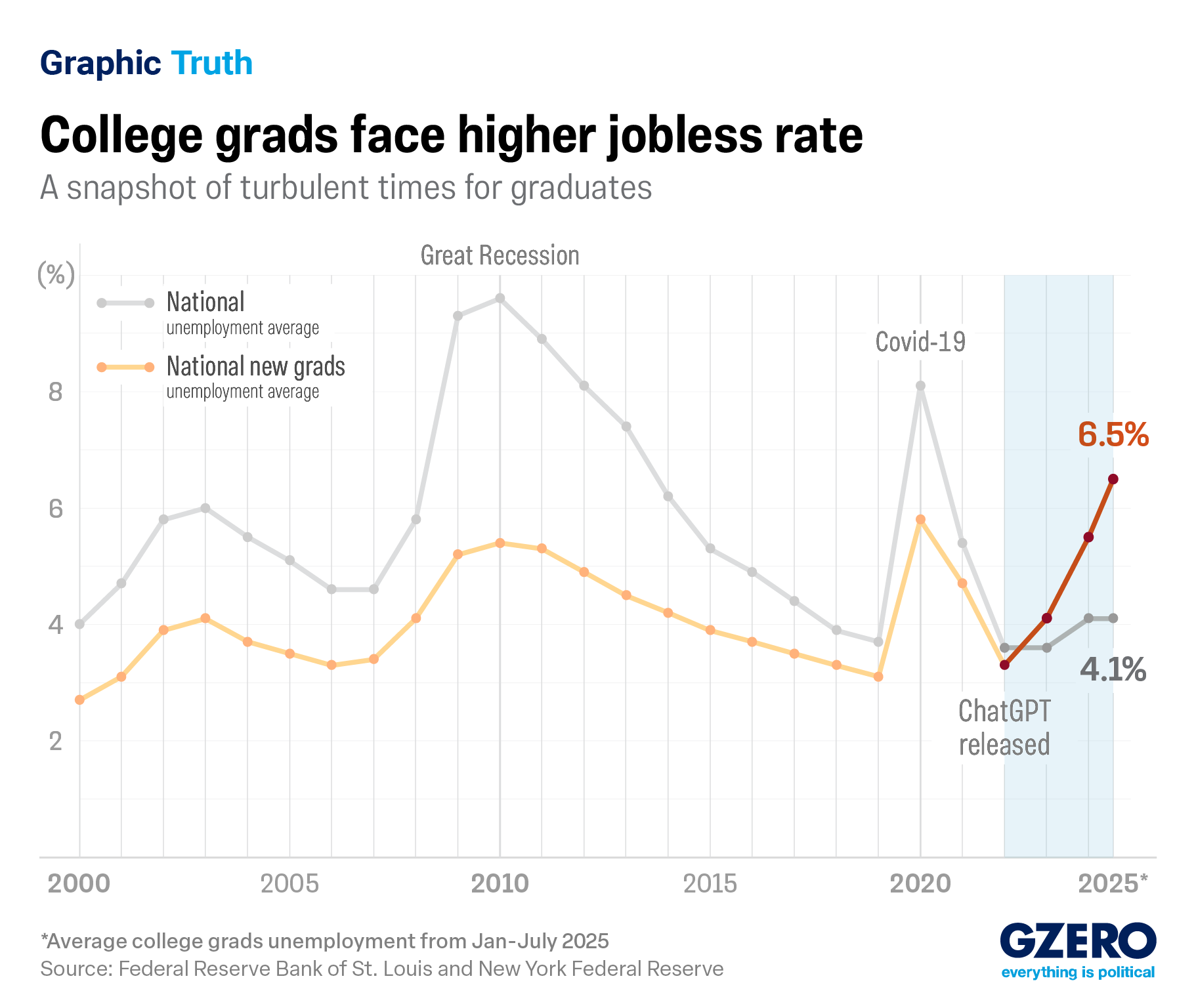
Graduating into a labor market reshaped by automation feels like stepping onto shifting sand. You see entry-level listings shrink, yet headlines shout about AI growth. The pressure is real: your degree alone no longer guarantees a foothold, and the clock is ticking on student loan grace periods. The upside? Companies still crave human judgment where machines stumble. Mastering the AI job market for college graduates means learning how to signal adaptive skills, select the right tools, and show employers you can work with AI instead of being replaced by it. The stakes are immediate, because every month you wait, more peers and more models flood the same postings.
What Matters Now
- Signal AI literacy with real outputs, not bullet points.
- Target roles where human oversight remains non-negotiable.
- Use portfolio projects to prove collaboration with AI systems.
- Track sectors hiring fastest to avoid dead-end searches.
Where the AI Job Market for College Graduates Is Tightening
Entry roles in support, basic research, and rote analysis are thinning as companies offload routine tasks to models. Yet demand rises in audit, safety, and compliance because someone must verify what machines produce. Think of AI as a powerful sous-chef: it chops fast, but the head chef still tastes before plating. The critical move is to position yourself as that taster.
“Hiring managers no longer ask if you know AI exists. They ask how you control it.”
Building Skills That Survive Automation
Pair technical fluency with domain context. Learn one scripting language well enough to automate boring tasks. Layer that with industry knowledge—healthcare privacy, marketing attribution, or supply-chain timelines. Employers prize people who spot when a model invents data, because bad outputs become legal risks.
Practical steps
- Create a small project that uses an open-source model to clean or summarize data, and publish the code.
- Document failure cases. Show where the model drifted and how you corrected it.
- Practice prompt chaining for structured outputs employers can trust.
One clear paragraph proves you can write and ship. That alone sets you apart.
Targeting Roles That Still Need You
Focus applications on product ops, data quality, customer research, and policy review. These seats require judgment, escalation, and context that AI misses. Ask yourself: would you trust a model to sign off on this decision without a human? If the answer is no, there is a job worth chasing.
How to Signal Readiness in the AI Job Market for College Graduates
Hiring teams skim fast. Lead with proof. Link to a portfolio that shows before-and-after improvements from your AI-assisted work. Include a short Loom or GIF demonstrating a workflow. And if a job post mentions a model or vendor, mirror their language and add one concise example of how you used something similar.
Look, cover letters still matter when they quantify impact. “Cut support response time by 18% using a retrieval tool” travels further than “familiar with AI.”
Networking Without the Noise
Skip vague coffee chats. Instead, share a weekly teardown of an AI product in the sector you want. Tag the builders. One sharp take often leads to a referral. Think of it like pickup basketball: show up, play hard, and people remember the assists.
Tracking Sectors Moving Fast
Healthcare, fintech, and logistics are investing in AI but move cautiously because errors are costly. That caution opens seats for meticulous grads. Media and marketing hire quickly but churn when budgets tighten. Balance your search between stable industries and faster-moving teams to keep options open.
Beware Common Pitfalls
- Submitting generic résumés without AI-specific achievements.
- Relying only on course projects without real-world constraints.
- Ignoring policy and privacy requirements tied to your target industry.
Closing Shot
Employers are asking if you can steer the machines, not just admire them. Sharpen one technical edge, pair it with sharp judgment, and ship visible work. Ready to prove you can be the human in the loop?


