AI Marketing Videos Are Flooding Startup Landing Pages
Plenty of startup sites now greet you with an AI marketing video before you even scroll. The pitch is obvious. Video looks polished, explains a product fast, and feels cheaper than hiring a film crew. But the rush toward AI-generated spokespeople and scripted promos matters for a simple reason. Your homepage is where trust starts, and a synthetic video can help or hurt that trust in seconds. If you run a startup, lead growth, or buy software for your team, this trend is worth a hard look right now. The tools are getting better. They are also making the web feel strangely samey. So the real question is not whether you can add an AI marketing video. It is whether that video actually does a better job than plain language, a product demo, or a live human on camera.
What stands out right away
- AI marketing video tools let startups publish polished clips fast, often for far less than a traditional production.
- Speed is the hook, but trust is the test. Visitors can spot stiff scripts and synthetic delivery.
- Many startup videos now look interchangeable, which weakens brand identity instead of sharpening it.
- The best use cases are narrow: product explainers, localized versions, and rapid ad testing.
- If your product is complex or trust-sensitive, a real demo or real founder may still beat an avatar.
Why startups keep buying AI marketing video tools
Cost and speed. That is the whole story for many teams.
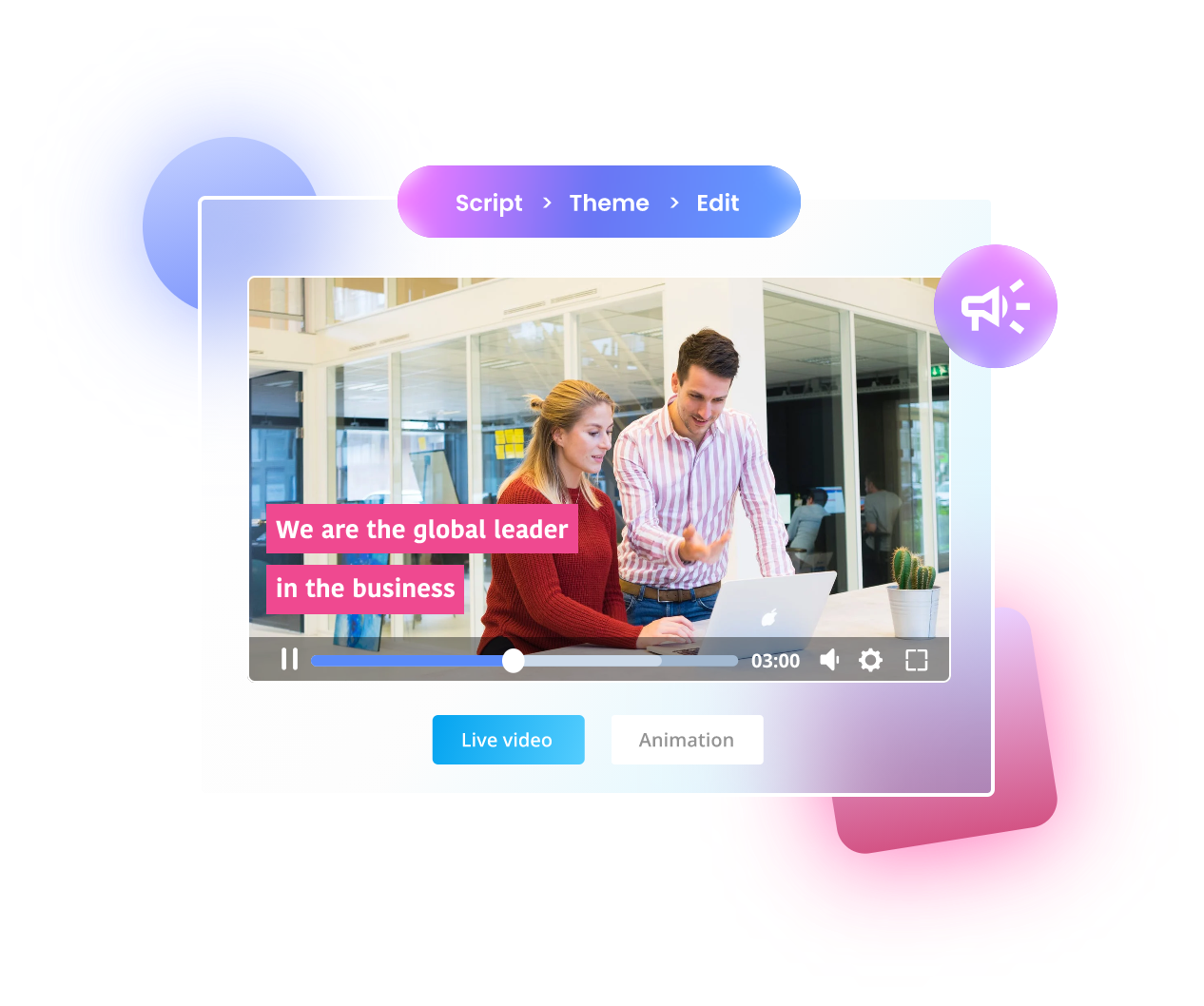
Early-stage companies need homepage videos, sales clips, onboarding explainers, social ads, and investor updates. Traditional production can take weeks and cost thousands. AI video platforms promise scripts, voiceovers, avatars, editing, and translation in one place. For a lean startup, that sounds like oxygen.
The appeal is easy to understand. A founder can change pricing, features, or positioning on Monday and publish a fresh video by Tuesday. That kind of turnaround used to be rare. Now it is a menu option.
There is also a social proof effect. Once a few venture-backed startups add AI-generated presenters to their sites, others follow. Nobody wants to look behind. But following the herd is how the web ends up looking like a chain restaurant strip.
Startup teams are not really buying cinema. They are buying speed, control, and the ability to test messaging without a production calendar.
Where AI marketing video actually works
Some use cases are solid. Others are pure hype.
1. Fast product explainers
If you need a 30 to 60 second overview for a software category people already understand, an AI marketing video can do the job. Think scheduling software, expense management, or CRM add-ons. In those cases, clarity matters more than emotional depth.
2. Localization at scale
This is one of the strongest practical cases. AI tools can create multiple language versions without reshooting footage. For startups selling across Europe, Latin America, or Asia, that is a real edge if the translations are checked by humans.
3. Ad testing
Paid social teams need volume. They test hooks, offers, lengths, and calls to action. AI-generated video is useful here because ads are disposable by nature. You are not building a lasting brand asset. You are testing response.
4. Internal training and support
Customer success and HR teams can use AI video for quick tutorials, policy explainers, and onboarding snippets. These videos do not need cinematic charm. They need to be accurate and easy to update.
Where AI marketing video falls apart
Look, the cracks show fast when the stakes are higher.
If your company handles health data, financial workflows, legal tasks, or anything that asks for deep trust, a glossy AI avatar can backfire. It may feel evasive, even if the content is accurate. Buyers in those categories often want to see the product itself, the founder, or the people behind customer support.
Then there is the script problem. Many AI videos sound like they were written by a committee that swallowed a pitch deck. The language is flat. The rhythm is off. The claims are broad. And because the same tools are training the same habits, the videos blur together.
That sameness is a brand tax.
Think of it like architecture. If every storefront on a block uses the same glass, same sign, and same layout, none of them become memorable. AI marketing video can do that to a startup homepage if you let the template make all the choices.
How to judge an AI marketing video before you publish it
Here is the test I would use after years of watching tech companies overproduce the wrong thing. Ask whether the video earns its spot on the page.
- Does it answer a real buyer question within 15 seconds? If not, cut it or rewrite it.
- Does it show the product? Too many AI videos hide the interface behind stock visuals and abstract claims.
- Does the voice sound like your company? If it could belong to any SaaS startup, it is too generic.
- Would a real customer trust this? Ask someone outside your team. Better yet, ask a prospect.
- Is video the best format here? Sometimes three sharp sentences and a clean screenshot do more work.
And yes, you should A/B test it against a page with no video at all. Why assume the moving version wins?
What smart teams should do with AI marketing video
You do not need to reject the format. You need to use it with discipline.
- Use AI for draft production, then edit hard with a human marketer or founder.
- Pair the video with real product footage, not generic motion graphics alone.
- Keep homepage clips short. Aim for one message, one audience, one action.
- Use real people for high-trust pages such as security, compliance, healthcare, or enterprise sales.
- Track watch rate, click-through rate, and demo conversion. Pretty does not count. Performance does.
Honestly, the strongest setup may be hybrid. Use AI tools for speed, versioning, and translation, then put a real person on camera where credibility matters most. That gives you efficiency without sanding off your identity.
The bigger issue behind the AI marketing video boom
The New York Times report points to a wider shift in startup marketing. Founders are under pressure to look bigger, move faster, and ship more content with smaller teams. AI video fits that pressure perfectly. It helps companies create the appearance of polish at low cost.
But appearance is not the same as persuasion. And persuasion is not the same as trust.
That gap matters because startup websites are already crowded with auto-generated copy, templated design, and familiar promises about saving time and boosting productivity. Add a synthetic spokesperson reading more synthetic copy, and the result can feel less modern than hollow.
Buyers are not fools. They know efficiency when they see it. They also know when a company is hiding behind it.
Before you put that video on your homepage
An AI marketing video can be useful. It can also become one more layer of noise on a web already packed with polished nothing.
If you are building a startup brand, treat video like product design. Every element should earn its place. Show the software. Sound like a person. Say something specific. And if the AI version feels thin, scrap it and film the founder with decent lighting and a clean script. That may be the sharper move in a market now crowded with synthetic smiles.
The next wave of startup sites will tell us something interesting. Will they all sound the same, or will a few companies remember that credibility still has a human face?