AI Kids Toys Are a Privacy Mess
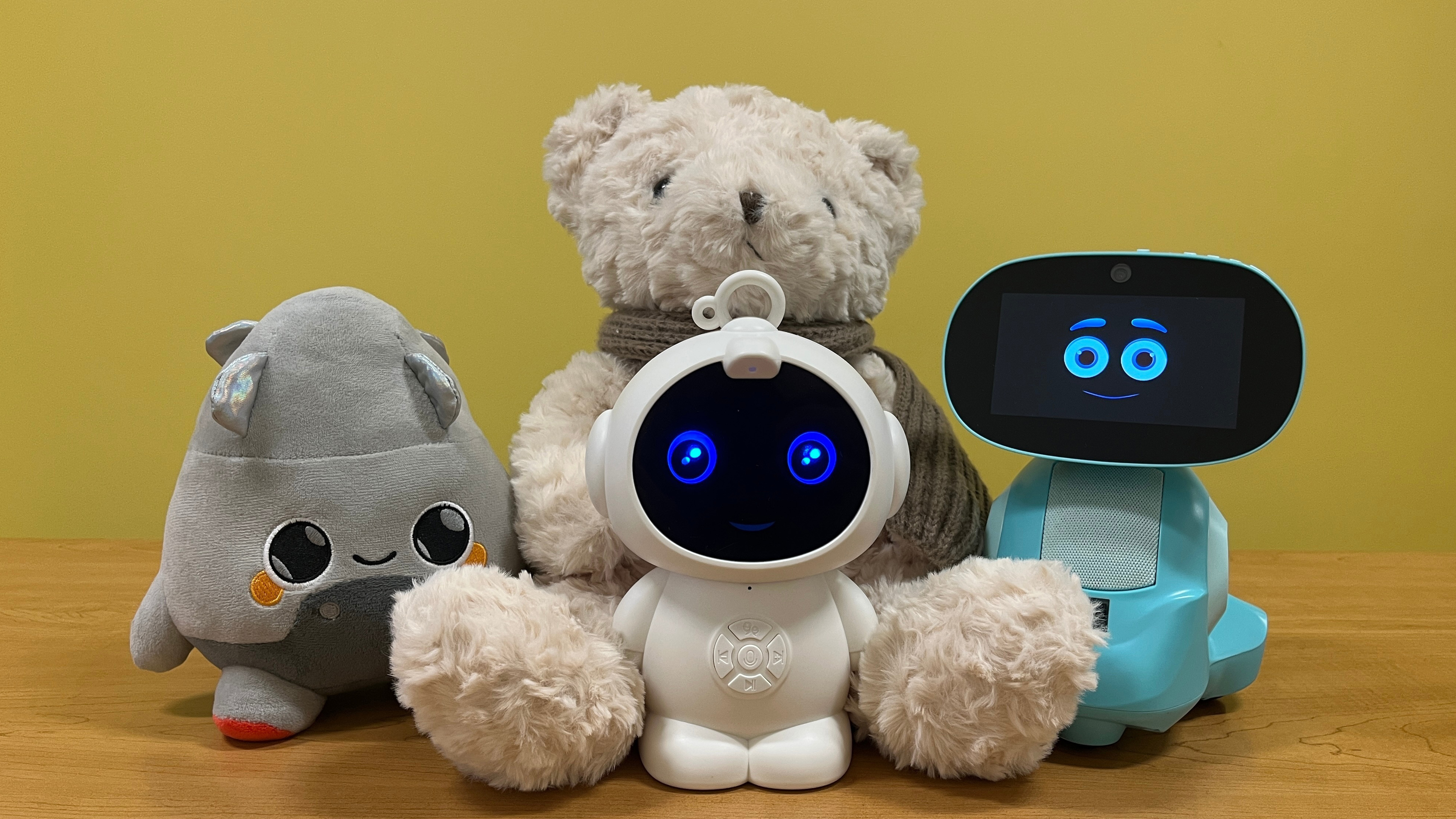
You are being asked to trust a surprising number of companies with your child’s voice, habits, and questions. That is the real issue behind AI kids toys. These products are sold as playful, educational, and safe, yet many work by collecting data, sending audio to remote servers, and relying on terms most parents never get time to read. That matters now because AI features are spreading fast into dolls, robots, and learning gadgets, while rules and product testing still lag behind. Wired recently looked at this market and found a space that often feels under-policed and loosely defined. Honestly, that tracks with what many of us have seen in consumer tech for years. The sales pitch moves first. Safeguards arrive later, if they arrive at all.
What to watch before you buy
- Check where data goes. If a toy records speech, find out whether audio stays on the device or is sent to the cloud.
- Read the age guidance closely. “For kids” does not always mean designed with child privacy as the first priority.
- Look for a mute switch or offline mode. A physical control matters more than a vague privacy promise.
- Research the company behind the toy. Small brands can move fast, but support, updates, and security can be thin.
Why AI kids toys raise bigger risks than older smart toys
Connected toys are not new. We have already seen internet-linked dolls and kid devices stumble over poor security, weak parental controls, and broad data collection. But AI changes the equation because the toy is no longer just reacting to a button press. It may carry on open-ended conversation, generate answers on the fly, and store more context about your child over time.
That creates a deeper layer of risk. A toy that can talk back can also say the wrong thing, misunderstand a child, or pull from a system that was never built for young users. Think of it like adding a high-powered kitchen mixer to a child’s baking set. Same room, very different level of force.
AI toys are being marketed as companions and tutors, but the guardrails often look thin compared with the intimacy of the role they are asked to play.
And that intimacy matters. Kids talk to toys differently than they talk to search engines. They can be more trusting, less skeptical, and more likely to share personal details without realizing it.
How AI kids toys handle data, and why that should bother you
The central question is simple. What happens to your child’s data after the toy hears it?
Some products process speech through remote AI systems. That can involve voice clips, transcripts, device identifiers, location signals, or usage patterns. Privacy policies may say data is used to improve services, personalize responses, or maintain safety systems, which sounds tidy until you ask what those phrases mean in practice.
Here is the thing. “Improve the product” can cover a lot of ground.
If the company stores conversations, how long are they kept? If it uses third-party AI models, which vendors are involved? If parents want records deleted, is that process clear and fast, or buried in account settings nobody can find? Those are not edge-case questions. They are basic consumer questions.
Questions worth asking about AI kids toys
- Does the toy record audio all the time, or only after a button press?
- Is speech processed on-device or in the cloud?
- Can parents review and delete stored data?
- Does the company share data with ad, analytics, or AI partners?
- How often does the toy get security updates?
- Is there a clear way to disable smart features?
Parents should also look for references to COPPA, the Children’s Online Privacy Protection Act in the US, though a mention alone is not proof of solid practice. Compliance language can be real, or it can be little more than legal padding.
Are AI kids toys safe for learning and emotional development?
Some of these toys are sold as learning aids. Others lean into the idea of companionship. That is where my skepticism spikes.
A child can learn from an interactive device, sure. But learning quality depends on accuracy, consistency, and age-fit design. Generative AI systems can still produce false answers, odd phrasing, or content that feels plausible but is wrong. Adults catch that faster. Young kids often do not.
There is also the emotional angle. If a toy is framed as a friend, counselor, or trusted guide, children may build habits around disclosure and dependence. That does not mean every chatbot toy is harmful. It does mean marketers should stop pretending the stakes are trivial. A talking plush is not just another battery-powered gadget if it is nudging social behavior every day.
One sentence matters here.
Children need products that are designed for their developmental stage, not stripped-down versions of adult AI systems wrapped in bright plastic.
What parents can do before buying AI kids toys
You do not need to become a privacy lawyer to shop smart. But you should slow down, especially if the toy promises open conversation, adaptive learning, or personalized responses.
- Search for independent reporting. Start with outlets like Wired, Consumer Reports, Common Sense Media, and major child safety groups when available.
- Review the privacy policy. Focus on recording, retention, deletion, and third-party sharing.
- Test the controls yourself. Check mute buttons, account dashboards, and app permissions before handing the toy over.
- Keep AI toys out of bedrooms. Shared family spaces are the safer default.
- Set rules with your child. Tell them not to share their full name, address, school, or family details with a toy.
But let’s be blunt. Parents can reduce risk, not remove it. If the product is built on constant data flow and weak disclosure, careful use only goes so far.
The bigger problem with AI kids toys
The market is moving faster than the oversight. That is the pattern Wired highlighted, and it is hard to dispute. Toy makers, app developers, and AI vendors are blending categories in ways that can confuse buyers and soften accountability. Is it a toy company, an edtech platform, a chatbot provider, or all three at once?
That matters for regulation, safety review, and liability. It also matters for trust. If a company positions an AI product as child-friendly, it should face a higher bar for testing, transparency, and data restraint. Not a lower one.
(And yes, “we are still learning” is not a satisfying answer when children are the test case.)
Before the next toy lands in your cart
If you are shopping for AI kids toys, treat the purchase like you would any connected device that enters your home. Ask who made it, what it records, where the data goes, and whether the smart features are truly useful or just there to juice sales. A toy should earn trust. It should not borrow it through cute packaging and vague claims about personalized learning.
The next phase of this market is going to hinge on whether parents push back hard enough. Will buyers demand quieter data practices and clearer rules, or will companies keep treating children’s playtime like one more beta test?