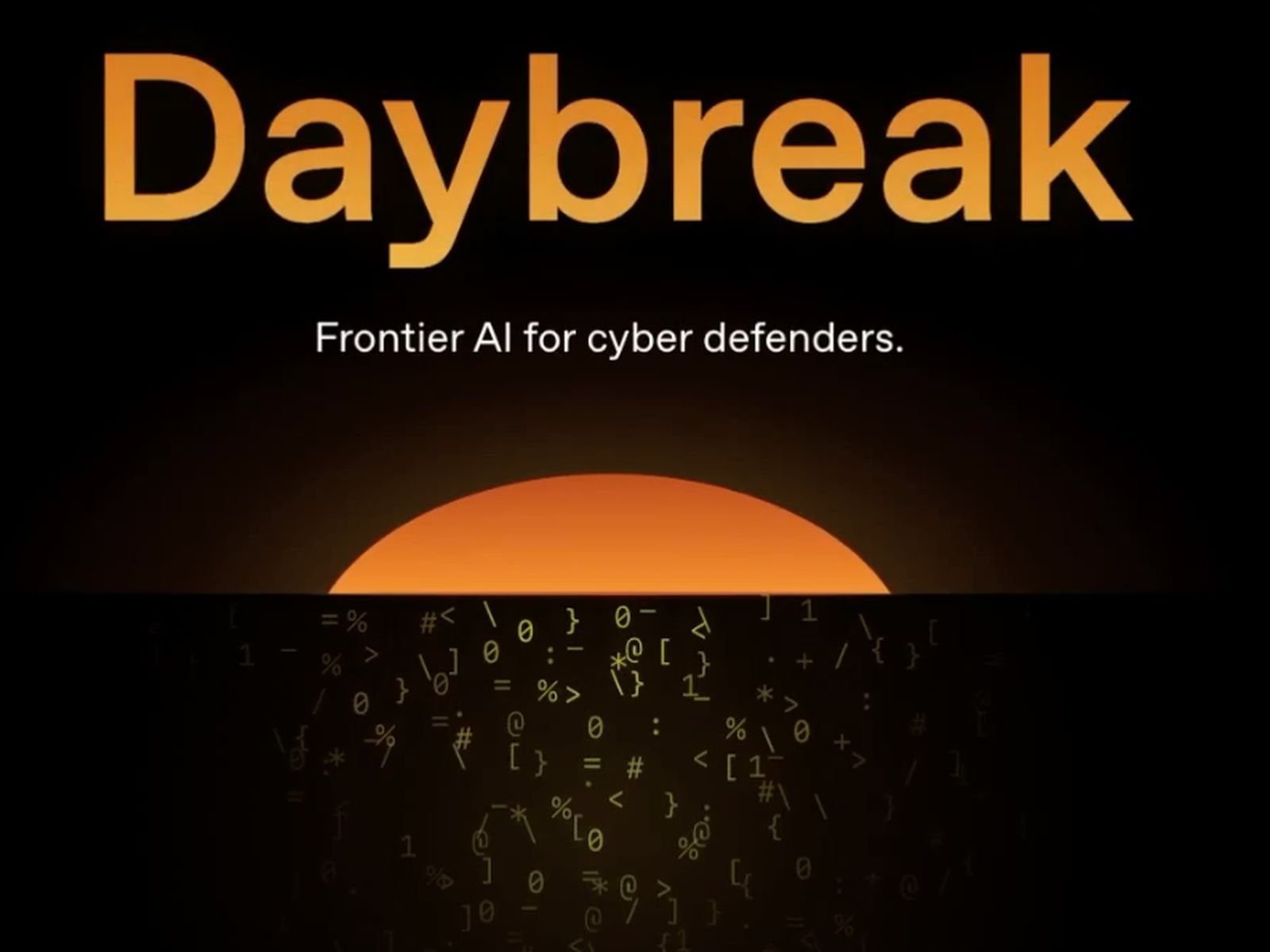
OpenAI Daybreak Security AI Explained
Security teams already face a bad math problem. Attackers move fast, alerts pile up, and experienced analysts cost real money. That is why OpenAI Daybreak security AI matters right now. If OpenAI is building a product aimed at cybersecurity workflows, it signals that large language model companies want a deeper role inside security operations, not just as chat interfaces bolted onto old tools.
The bigger question is whether this turns into useful defense work or more AI gloss on top of noisy systems. I have covered enough security launches to be skeptical by default. And that skepticism helps here. You need to know what this product likely means, where it could help, and where the risks sit before any vendor pitch arrives.
What stands out
- OpenAI appears to be pushing further into cybersecurity with Daybreak.
- The strongest use cases are likely alert triage, investigation support, and analyst workflow automation.
- Security AI can save time, but it can also produce confident errors.
- Teams should judge Daybreak by integration depth, auditability, and false positive control.
What is OpenAI Daybreak security AI?
Based on reporting from The Verge, OpenAI appears to be developing a security-focused AI product called Daybreak. The details are still limited, which matters. Thin public detail often means the story is still forming, and it is smart to separate reported facts from vendor ambition.
Even so, the direction is plain. OpenAI seems interested in tools that help security teams process threats, investigate incidents, and handle repetitive work that drains time from human analysts. Think of it less like a magic shield and more like an extra staffer who can read fast, summarize logs, and suggest next steps.
Here is the real test. Can the system reduce analyst toil without flooding a team with polished nonsense?
Why OpenAI Daybreak security AI matters now
AI in security is not new. Microsoft, Google, CrowdStrike, Palo Alto Networks, and SentinelOne have all pushed AI-heavy security features. But OpenAI entering this lane carries weight because its models helped set the pace for mainstream generative AI adoption.
That creates pressure across the market. If OpenAI can pair strong language reasoning with security-specific context, competitors will need to answer fast. If it cannot, the whole category looks a bit overcooked. Either way, buyers win by getting a cleaner view of what actually works.
Security operations centers need help. Badly.
According to industry reporting from groups like ISC2, the cybersecurity workforce gap remains large, while defenders still deal with alert fatigue and staff burnout. A system that can summarize evidence, correlate events, and prep incident notes could be useful. But useful is not the same as reliable.
Where OpenAI Daybreak security AI could help most
The smart bet is that Daybreak targets a few narrow jobs first, because broad security automation is where many AI products fall apart. A good security tool should act like a sharp sous-chef in a busy kitchen. It should prep ingredients, keep the station clean, and speed up service. It should not start inventing the recipe.
1. Alert triage
Many alerts are repetitive. An AI system can group similar events, summarize what happened, and rank likely severity. That could cut response time for frontline analysts.
2. Incident investigation
Analysts spend hours jumping between logs, tickets, endpoint data, and threat intel feeds. A model that can pull these strands together into a readable timeline would save time. That is a practical gain, not hype.
3. Knowledge access
Security teams sit on piles of internal documentation, old incident reports, and playbooks. Daybreak could turn that into searchable, conversational support for analysts who need answers fast (especially newer staff).
4. Reporting and handoffs
Shift changes and executive updates eat time. AI can draft incident summaries, response notes, and remediation checklists. Human review still has to stay in the loop.
What to ask before trusting OpenAI Daybreak security AI
If you evaluate a tool like this, skip the polished demo and get specific. Security buyers have seen too many products that look slick for ten minutes and then collapse under live conditions. Ask questions that expose the plumbing.
- What data can it access? If Daybreak cannot connect cleanly to SIEM, EDR, identity, cloud, and ticketing systems, it will stay shallow.
- How does it show its work? You need citations, evidence trails, and visible source mapping for every recommendation.
- What is the hallucination rate in security tasks? General benchmarks are not enough. Demand task-specific evaluation.
- Can you tune it to your environment? Every SOC has different tooling, policies, and thresholds.
- How are prompts, logs, and sensitive data handled? This is non-negotiable for regulated industries.
The hard limits of OpenAI Daybreak security AI
Look, this category has a familiar problem. AI systems often sound smarter than they are. In cybersecurity, that is dangerous because confidence can be mistaken for accuracy.
The first limit is context. Security incidents depend on local knowledge, asset criticality, business process, and attacker behavior. A model can assist, but it does not automatically understand what matters most inside your environment.
The second limit is verification. If an AI tool says a chain of activity looks malicious, an analyst still has to validate the evidence. That means Daybreak should be judged as a decision support system, not an autonomous defender.
And then there is the adversarial side. Attackers adapt. They probe model weaknesses, poison inputs, hide intent in noisy activity, or abuse automation paths. Any serious security AI product needs clear safeguards against prompt injection, data leakage, and bad action chaining.
How OpenAI Daybreak security AI fits the broader market
This move makes sense for OpenAI. Enterprise buyers want AI tied to expensive business problems, and security is one of the most expensive problems around. A product that shortens response time or improves analyst output can justify budget in a way that generic chat assistants often cannot.
But market fit depends on execution. OpenAI will be stepping into a space where trust is built through accuracy, integration, and uptime, not just model quality. Security teams are usually less interested in flashy demos than in whether a tool can survive a 2 a.m. incident without making things worse.
Honestly, that is where many AI companies get exposed.
Should security teams pay attention?
Yes, but with a cold eye. OpenAI Daybreak security AI is worth tracking because OpenAI has the model talent, the brand reach, and the enterprise momentum to shape this category fast. That alone makes it relevant.
Still, relevance is not proof. If you run security, focus on measurable outcomes:
- Mean time to detect
- Mean time to respond
- Alert volume reduced
- Analyst hours saved
- Error rates in triage and reporting
Those numbers will tell you more than any launch event. So here is the next step. Watch for product details, demand evidence, and ask the blunt question every security buyer should ask. Does this system make my team sharper, or does it just make the dashboard prettier?