AI Office Suite Challenges Microsoft With $30M Bet
Office software has been boring for years, and that is exactly why a new entrant can still matter. The latest AI office suite push, backed by a $30 million bet from an Indian tech tycoon, is trying to take aim at Microsoft Office with a product built around AI from the start. That sounds neat on a pitch deck. The real test is harder: can it save time, fit existing workflows, and win trust in a market where Microsoft still owns the default? If you work in docs, spreadsheets, slides, or team collaboration, this is not a vanity launch. It is a shot at one of the stickiest software categories on earth. And yes, that makes the odds brutal.
Why this AI office suite push matters now
Office suites are like airport terminals. People complain about them, then keep using the same gates because changing routes takes effort. Microsoft has spent decades building that lock-in with Word, Excel, PowerPoint, and Teams, while Google Workspace made collaboration lighter and browser-first.
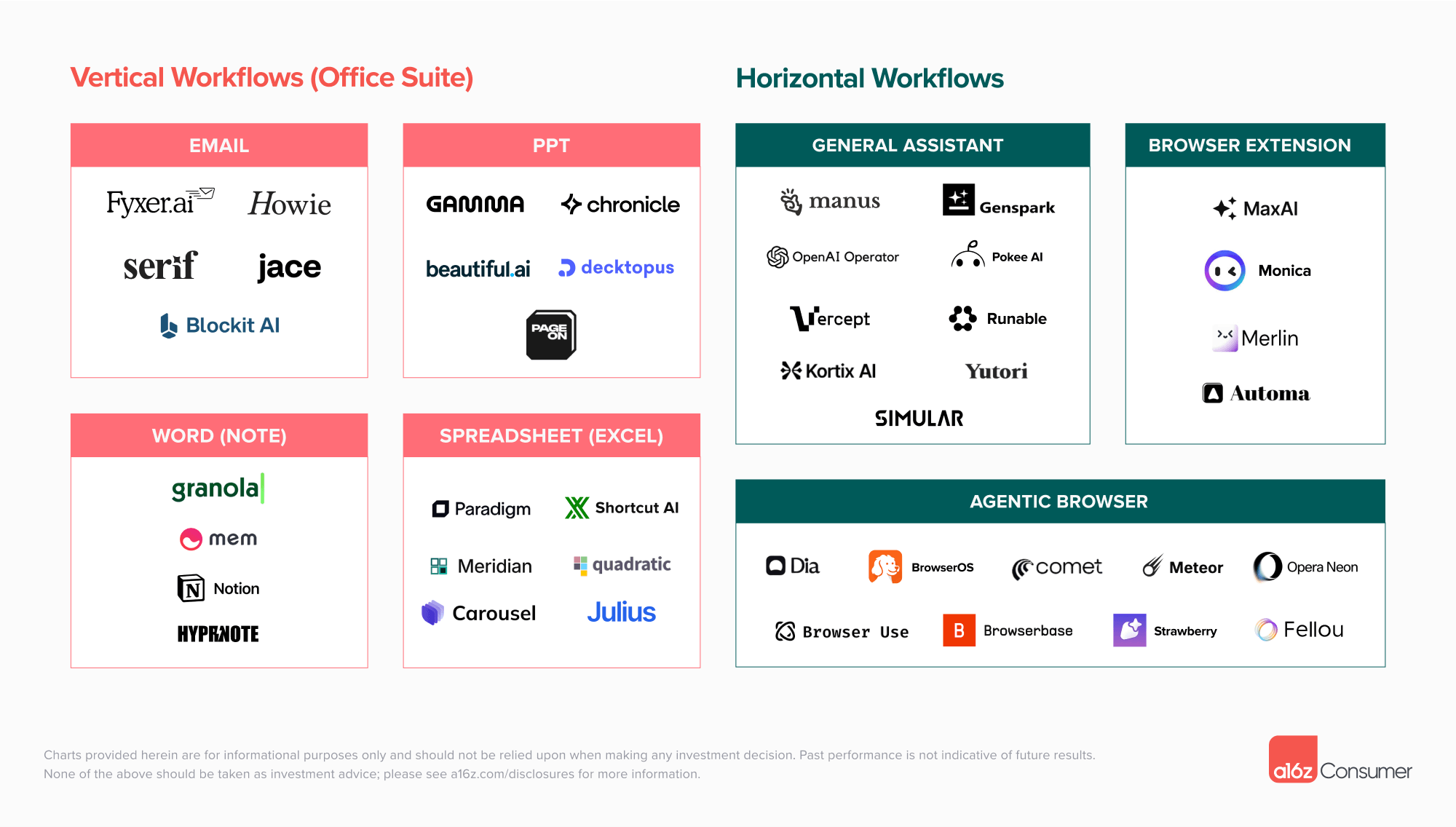
The new play is different. An AI office suite can remove tedious steps inside the tools people already use. Think drafting, summarizing, formatting, extracting action items, and cleaning data. If the software can cut busywork fast enough, it may not need to beat Microsoft on every feature. It only needs to be obviously better at a few daily tasks.
“The bar is not whether the product has AI. The bar is whether your team reaches for it without being asked.”
That is the whole game.
What the $30M bet is really buying
Thirty million dollars is serious money, but it is not enough to brute-force a full Microsoft clone. It buys product talent, model access, distribution experiments, and a long runway to test whether users actually change habits. It also buys a public challenge to a category where most startups fail because they confuse demos with adoption.
The funding signals three things:
- A belief in vertical integration, where AI is built into the document layer instead of bolted on later.
- A wager on workflow pain, especially for small and midsize businesses that want speed without enterprise bloat.
- A need for differentiation, because “another office suite” is a weak pitch unless the product feels faster on day one.
That last point matters. You do not beat Microsoft by saying you are cheaper. You beat it by making daily work less annoying.
Where an AI office suite can win
Look, there are a few places where an AI office suite has a real opening. Not a fantasy opening. A real one.
1. Drafting and rewriting
Most users do not want to write from scratch. They want a clean first pass, a tighter rewrite, or a summary that trims a 12-page memo into something people will read before lunch. If the suite makes that feel native, it can earn repeat use fast.
2. Data cleanup in spreadsheets
Spreadsheets are still where messy work hides. AI can help classify columns, spot anomalies, suggest formulas, and explain what broke. That is not flashy. It is useful. And useful is what sticks.
3. Meeting output
If the suite can turn notes, chat threads, and recordings into action items, follow-ups, and draft docs, it becomes part of the work loop. That is where switching costs drop. Why copy notes into another app if the suite already does the next step?
But the product has to be reliable. A wrong formula is annoying. A wrong summary can cost money or credibility. That is a different level of risk.
What has to be true for adoption to happen
Winning this market is less like launching a slick app and more like building a new kitchen in a restaurant that never closes. The staff still needs the knives, the pans, the layout, and the muscle memory. If one thing feels off, they go back to the old setup.
- It must work inside existing file habits. People need to open, edit, share, and export without friction.
- It must be trustworthy. AI errors in business docs are not cute. They are costly.
- It must be fast. If a prompt saves 20 seconds and then needs manual cleanup, users will ignore it.
- It must respect enterprise needs. Admin controls, permissions, compliance, and audit trails matter more than flashy features.
And there is one more hurdle. Compatibility. Can the suite handle Microsoft file formats cleanly enough that switching does not feel like moving furniture through a narrow hallway?
What this means for Microsoft and Google
Microsoft is not standing still. Copilot is already woven into its products, and that gives Redmond a huge distribution edge. Google is also pushing AI deeper into Workspace. So a new AI office suite is not entering a vacuum. It is walking into a crowded room where the biggest players already own the doors.
Still, incumbents have a weakness. They often add AI on top of old interfaces. That can feel bolted on, because it is. A startup can design the entire flow around AI-assisted work, which may make the experience feel cleaner and less clumsy (if the model quality holds up).
The bigger threat is not feature parity. It is user impatience. If enough teams decide that one AI-native suite gets them to a finished doc or cleaned spreadsheet faster, the old defaults start to look heavy.
The real question investors should ask
Is this a software business or a distribution fight? That is the question. The answer changes everything.
If the team is building a tool for a narrow audience, then product depth matters most. If it is trying to reach broad business users, then partnerships, bundling, and trust become the real moat. Either way, the company needs proof that people will change behavior, not just applaud the demo.
For now, the smartest stance is cautious. A $30 million bet can fund a strong product and a loud launch. It cannot guarantee habit change. And habit is what Microsoft has sold for decades.
What to watch next
Watch for three signals. First, whether the suite can handle real documents without breaking formatting. Second, whether users keep coming back after the first novelty wave. Third, whether the company finds a narrow wedge, such as sales teams, consultants, or SMB ops, before trying to become everything at once.
That is where the story turns from hype to evidence. If the product starts saving time in the most annoying parts of office work, it has a shot. If not, it becomes another expensive answer to a question nobody asked. Which side do you think this one lands on?