AI Regulation Fight Moves to the States
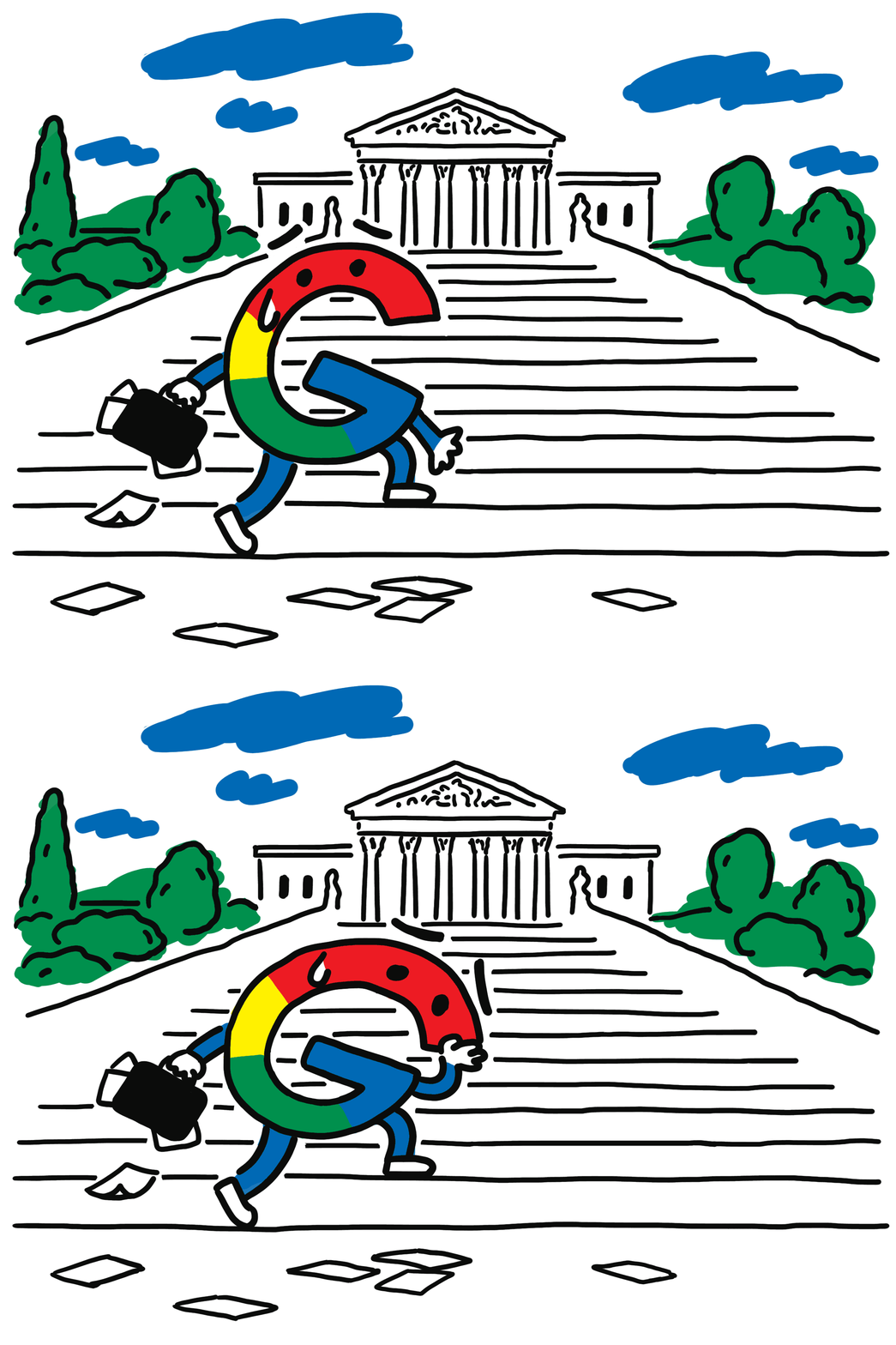
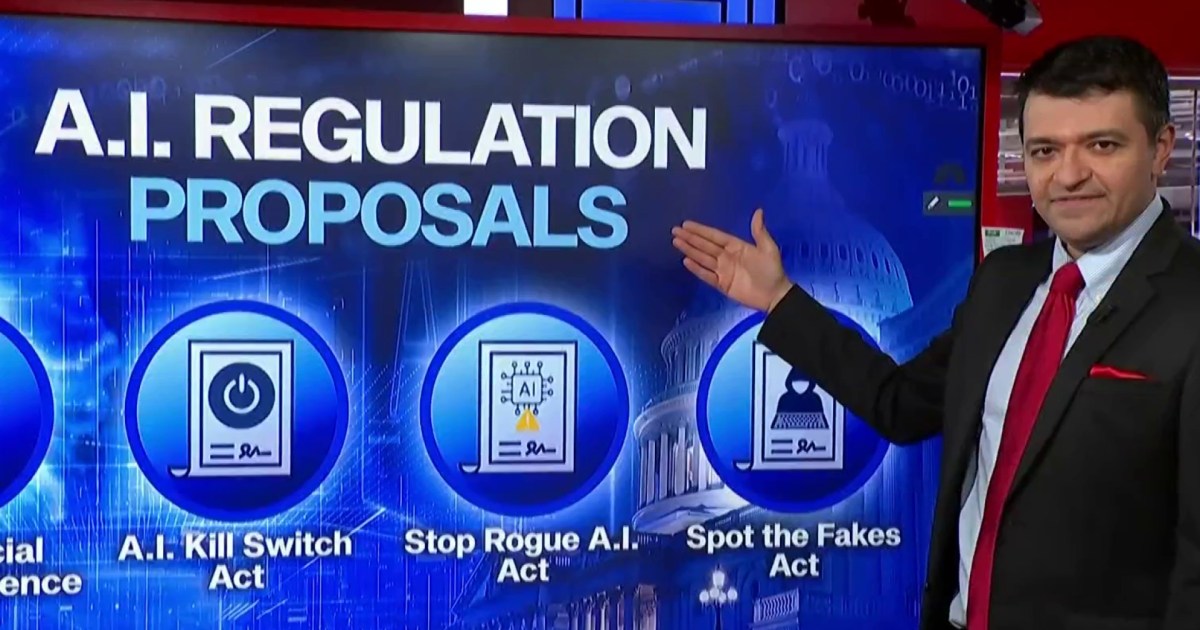
You may not track every AI bill, but the AI regulation fight now affects the tools you use, the companies you buy from, and the rights you have when software makes a decision about you. The latest clash, reported by The Verge, shows that the battle is not finished just because one federal push stalls or one state law passes. Tech companies want one national rulebook. State lawmakers want room to act faster. Consumer advocates worry that delay will leave people exposed to deepfakes, biased automated decisions, and weak disclosure rules. And businesses are stuck asking a practical question. Which rules do we follow now? The answer is messy, but useful. If you build, buy, or manage AI systems, you need to watch both Washington and the states.
What matters now
- The AI regulation fight is shifting to state capitols, not slowing down.
- Federal preemption remains the core dispute. Big AI firms prefer one national standard, while states want power to pass their own rules.
- Businesses should prepare for a patchwork of disclosure, safety, privacy, and discrimination rules.
- Consumers may get stronger protections first from states, especially around deepfakes, hiring tools, and automated decisions.
Why the AI regulation fight is still open
The fight is not really about whether AI should have rules. Almost everyone now says yes in public, including major AI labs. The sharper argument is about who gets to write those rules, how strict they should be, and whether state laws should be blocked by federal policy.
The Verge piece points to a larger pattern that has defined tech policy for years. Companies ask Congress for national consistency, then warn that state laws will create compliance headaches. States counter that Congress often moves too slowly, especially after consumer harm becomes obvious.
The real question is not whether AI regulation happens. It is whether it happens close to the people dealing with the harm, or far away in a slower federal process.
That tension is old. Privacy law followed the same path, with California passing the CCPA while Congress failed to agree on a broad federal privacy bill. Social media safety, biometric privacy, and data broker rules have also been shaped by state action first.
How AI regulation could split between federal and state rules
A federal AI law could set a baseline. That might include safety testing, reporting rules for frontier models, election deepfake limits, or transparency duties for AI-generated content. If Congress writes it well, companies get clarity and users get protections that apply nationwide.
But there is a catch. Some federal bills can preempt state laws, meaning states cannot pass stronger or different rules. That is where the political heat sits. Should Congress set a floor that states can build on, or a ceiling that stops them?
That is the real fight.
Think of it like building codes. A national baseline can keep homes from being unsafe, but local rules still matter because wildfire zones, flood risks, and old buildings create different problems. AI has the same local pressure points, from Hollywood likeness rights to automated hiring in New York and public benefits systems in state agencies.
What states are already targeting
State bills vary, but the themes are getting clearer. Lawmakers are not only looking at doomsday model risks. They are focused on common uses that affect people now, often in boring systems where harm is hard to spot.
- Deepfake rules for elections, nonconsensual sexual images, and impersonation.
- Disclosure requirements for chatbots, synthetic media, and AI-generated political ads.
- Limits on automated decision tools in hiring, housing, credit, insurance, and education.
- Bias audits for high-risk AI systems.
- Rules for training data, likeness rights, and creator compensation.
- Government procurement standards for agencies buying AI tools.
What the AI regulation fight means for companies
If you run a business that uses AI, waiting for one perfect federal answer is a bad plan. The smarter move is to build a compliance base that can handle stricter state rules. That means knowing where AI is used, what data it touches, and what decisions it influences.
Start with an inventory. List every AI system your team uses, including vendor tools baked into HR software, customer support platforms, fraud detection, marketing systems, and analytics dashboards. Shadow AI matters too, since employees may be using chatbots without approval (and feeding them sensitive data).
- Classify risk. Separate low-risk productivity tools from systems that affect jobs, loans, health, housing, education, or legal rights.
- Check vendor contracts. Ask vendors for audit rights, model documentation, data retention terms, and incident reporting commitments.
- Document human review. If AI supports a decision, write down who can override it and how users can appeal.
- Track state exposure. Map where your customers, employees, and users live. A California or Colorado rule can matter even if your headquarters is elsewhere.
- Prepare disclosures. Plain-language notices beat legal fog. Tell people when AI is used and what it does.
Here is the thing. Regulators tend to punish companies less for using new technology and more for being careless, deceptive, or unable to explain their own systems. If your team cannot answer basic questions about an AI tool, that is your first compliance gap.
Why consumers should care about AI regulation
For consumers, the AI regulation fight can sound abstract. It is not. It decides whether you can know that a chatbot is not human, whether a company must explain an automated rejection, and whether a political deepfake can spread without clear labeling before an election.
What should you look for? Ask companies whether AI is used in decisions that affect you. Save screenshots of chatbot interactions, job application notices, insurance denials, and account suspensions. If a system makes a mistake, you need a record before the evidence disappears.
And watch the states where you live, work, or do business. State attorneys general often move faster than federal agencies, and they already use consumer protection law against deceptive AI claims. The Federal Trade Commission has also warned companies against false AI marketing and unfair automated decision practices.
The hard part Washington keeps avoiding
Congress faces a real problem. AI systems move faster than legislation, and poorly written laws can freeze bad definitions into place. But delay has a cost too. Without rules, the market rewards speed, scale, and plausible deniability.
Big AI companies argue that a patchwork of state laws will slow development. They are not entirely wrong. A startup with five employees does not want fifty compliance playbooks. Still, that argument can also become a shield against any rule with teeth.
What is the better path? A federal floor with room for states to go further in high-risk areas. That would give companies a baseline while letting states test rules where harm is already visible. It is less tidy than a single national ceiling, but tech policy is rarely tidy.
What to watch next in AI regulation
The next phase will likely be fought in budget bills, state legislative sessions, agency rulemaking, and court challenges. Expect tech firms to keep pushing preemption. Expect state lawmakers to keep pressing on deepfakes, workplace AI, child safety, and discrimination.
If you need a practical next step, do not wait for Congress. Build your AI inventory, review high-risk uses, and follow the states that have the strongest privacy and consumer protection records. The companies that treat AI governance like basic hygiene will be in better shape when the next rule lands. The ones betting on permanent gridlock may find out that statehouses can move faster than Washington thinks.