AI Regulation: Why Tech CEOs Keep Asking for Rules
You are being asked to trust AI systems in your search results, office apps, phones, classrooms, hospitals, and hiring pipelines. That makes AI regulation a practical issue, not a Beltway hobby. The confusing part is that many of the loudest calls for rules now come from the same executives racing to ship the technology. The Verge recently traced this pattern across years of public statements, Senate hearings, company blogs, and policy campaigns. If you are trying to judge whether these calls are serious, self-serving, or both, the history matters. Tech leaders often ask for guardrails when their products become too visible to ignore. And yes, sometimes they ask in ways that protect their own lead.
What the pattern shows
- AI CEOs often support regulation in broad terms while fighting over the details.
- Public calls for safety rules can build trust with customers, lawmakers, and investors.
- Large AI labs may benefit from costly compliance that smaller rivals cannot absorb.
- The real test is whether companies accept rules that limit revenue, speed, or control.
The long pattern behind AI regulation talk
Calls for AI regulation did not appear out of nowhere after ChatGPT became a household name. For years, executives at companies such as OpenAI, Google, Microsoft, Anthropic, and Meta have argued that powerful AI needs oversight, even as they pushed harder to deploy models into consumer and enterprise products.
That tension is not new in tech policy. Social media companies asked for clearer rules after years of content moderation fights. Cloud providers backed cybersecurity standards while selling the tools needed to meet them. The AI version is sharper because the product can write code, summarize private data, mimic people, and make mistakes at scale.
“Regulation” sounds simple in a hearing room, but the useful question is always the same: who writes the rule, who pays for it, and who gets slowed down?
Look at the timing. Executives tend to get more vocal about oversight when adoption spikes, press scrutiny rises, and lawmakers begin drafting bills. That does not make every statement cynical. It does mean you should treat support for rules as a position to inspect, not a virtue to applaud.
Why AI regulation can help the biggest players
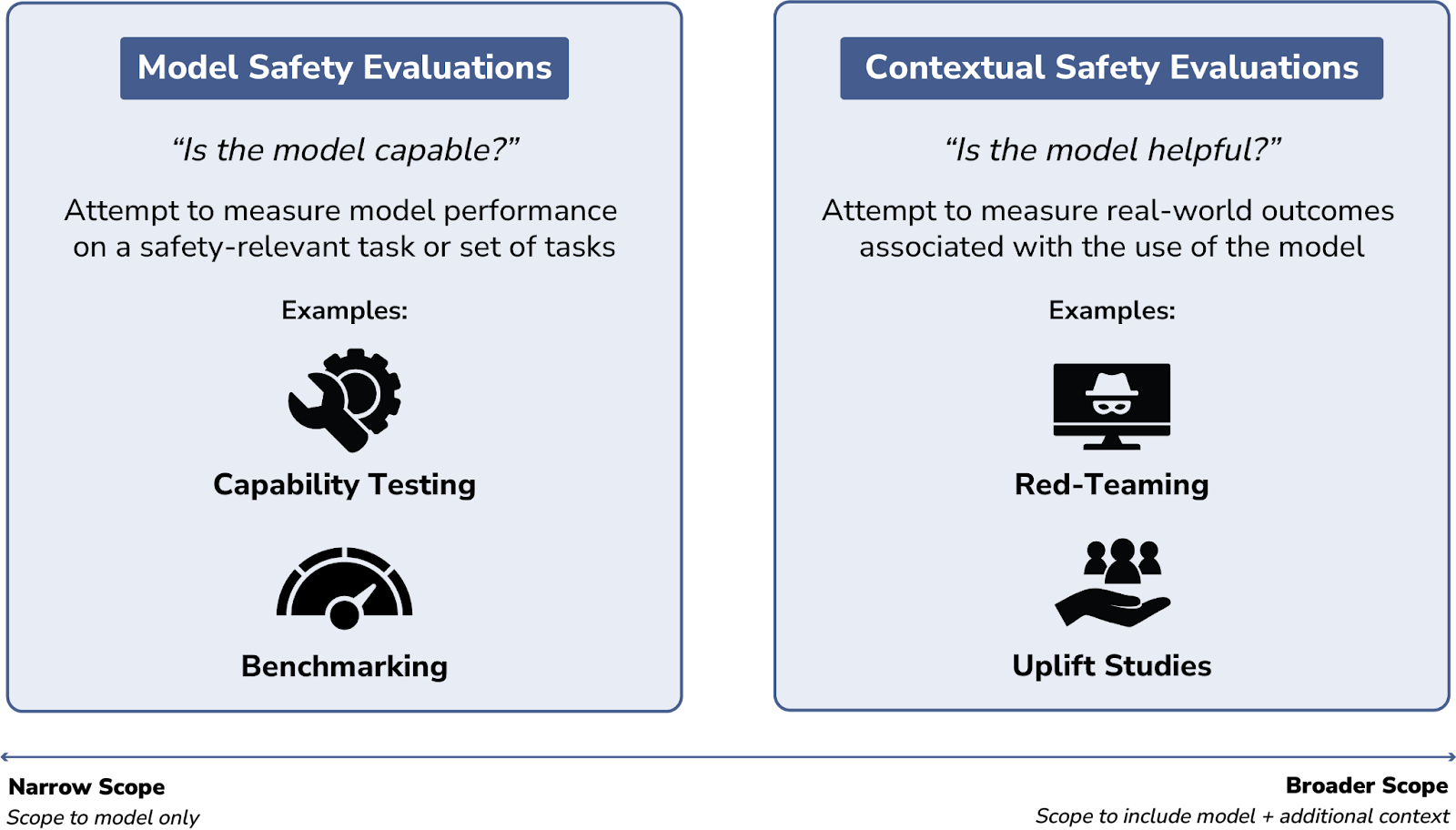
Big AI companies have legal teams, policy shops, compliance staff, lobbyists, and cash. A startup with ten engineers does not. If a new law requires model audits, incident reporting, red-team testing, provenance systems, and legal documentation, the burden lands very differently across the market.
This is the part many glossy policy statements skip. A strict licensing regime could make sense for high-risk frontier models, but it could also freeze out open-source projects, academic labs, and smaller companies. Regulation can protect the public, and it can also harden the market around incumbents.
That gap is where the politics lives.
Think of it like professional sports. Everyone says they want a fair rulebook, but the richest teams are better equipped to hire trainers, analysts, lawyers, and scouts who can work inside that rulebook. The rule may be fair on paper while still favoring the teams with deeper benches.
What to listen for when AI executives ask for AI regulation
You do not need to parse every draft bill to spot the difference between serious governance and policy theater. Listen for specifics. Broad support for “safety” costs almost nothing, while support for enforceable duties can cost real money.
- Scope: Does the company want rules for all AI, only the most powerful models, or only competitors in sensitive sectors?
- Accountability: Will the company accept penalties for unsafe deployment, deceptive claims, or misuse enabled by poor design?
- Transparency: Does it support independent testing, public incident reports, and clear disclosures when people interact with AI?
- Competition: Would the proposal leave room for startups, researchers, and open models, or does it build a moat?
- User rights: Can people challenge AI-driven decisions in hiring, lending, housing, health care, and education?
Here’s the thing. A company that supports audits but opposes outside access to test results is asking for trust without much verification. A company that says regulation is urgent but ships first and explains later is making a business choice, not a safety argument.
AI regulation is already moving, just unevenly
The United States has leaned on executive orders, agency guidance, voluntary commitments, and sector laws. The White House secured voluntary AI safety pledges from major companies in 2023, and the Biden administration later issued an executive order focused on safety testing, federal use, privacy, and security. Courts and agencies are also working through copyright, discrimination, consumer protection, and labor questions.
Europe has moved faster with the EU AI Act, which sorts systems by risk and places heavier duties on high-risk uses and general-purpose AI models. China has issued rules for recommendation algorithms, deep synthesis, and generative AI services. None of these regimes is perfect, but they show that the debate has moved from theory to paperwork (the least glamorous sign that policy is real).
The Verge’s history is useful because it shows how often executives try to shape that paperwork before it hardens. That is normal. It is also why journalists, researchers, civil society groups, and smaller companies need seats at the table.
The tests that matter more than speeches
What would make an AI company’s call for regulation credible? Start with whether it supports rules that apply before harm spreads. Post-deployment apologies are cheap compared with pre-release testing, product delays, and limits on data collection.
I would watch three signals. First, does the company publish meaningful safety evaluations, including failures? Second, does it let independent researchers test systems without fear of legal threats? Third, does it back laws that protect people in high-stakes settings, even when those laws slow sales cycles?
There is also a labor question hiding in plain sight. If AI tools reshape work, companies should be clear about how their systems are trained, where human review is required, and how workers can contest automated assessments. Why should an employee trust an AI score they cannot inspect?
What you should do with the CEO sound bites
Do not ignore executive support for AI regulation. It can push lawmakers to act, and some companies have real expertise about model risks. But do not confuse access with public interest. The people building the systems should inform the rules, not own them.
The practical move is to read every proposal through two lenses. Does it reduce concrete harm for users, workers, creators, and voters? And does it preserve enough competition that no small club of AI firms becomes the default regulator by another name?
AI regulation is coming in pieces, through agencies, courts, state laws, international deals, and procurement rules. The next step is simple: judge every company by the constraints it is willing to accept, not the safety language it is willing to repeat.