AI Safety Evaluators Face an Independence Test
You should care about AI safety evaluators because their work may decide whether powerful models ship, stall, or get changed before release. TechCrunch reports that Anthropic and OpenAI want to embed outside safety evaluators more closely inside their model development process. That sounds sensible on paper. Better access can mean better tests, fewer staged demos, and earlier warnings before a model reaches millions of users. But there is a catch, and it is not a small one. If evaluators sit too close to the companies they assess, who protects their independence? The question matters now because frontier AI labs are asking the public, lawmakers, and enterprise buyers to trust private safety systems while the technology moves faster than regulation.
What Matters Most
- Embedded evaluators may get earlier access to models, tools, and internal context.
- Independence depends on contracts, funding, publication rights, and whistleblower protections.
- OpenAI and Anthropic face pressure to prove safety review is more than a branding exercise.
- Regulators should focus on audit rights, conflict disclosures, and repeatable test methods.
Why AI Safety Evaluators Are Being Pulled Inside
External testing has a timing problem. By the time outside researchers see a near-final model, many design decisions are already locked, the launch schedule is moving, and the company has strong incentives to treat findings as release blockers only in extreme cases.
Embedding AI safety evaluators earlier could fix part of that. Testers can probe dangerous capabilities while a model is still being trained or fine-tuned, and they can ask engineers why a behavior appears instead of guessing from the outside.
That is the pressure point.
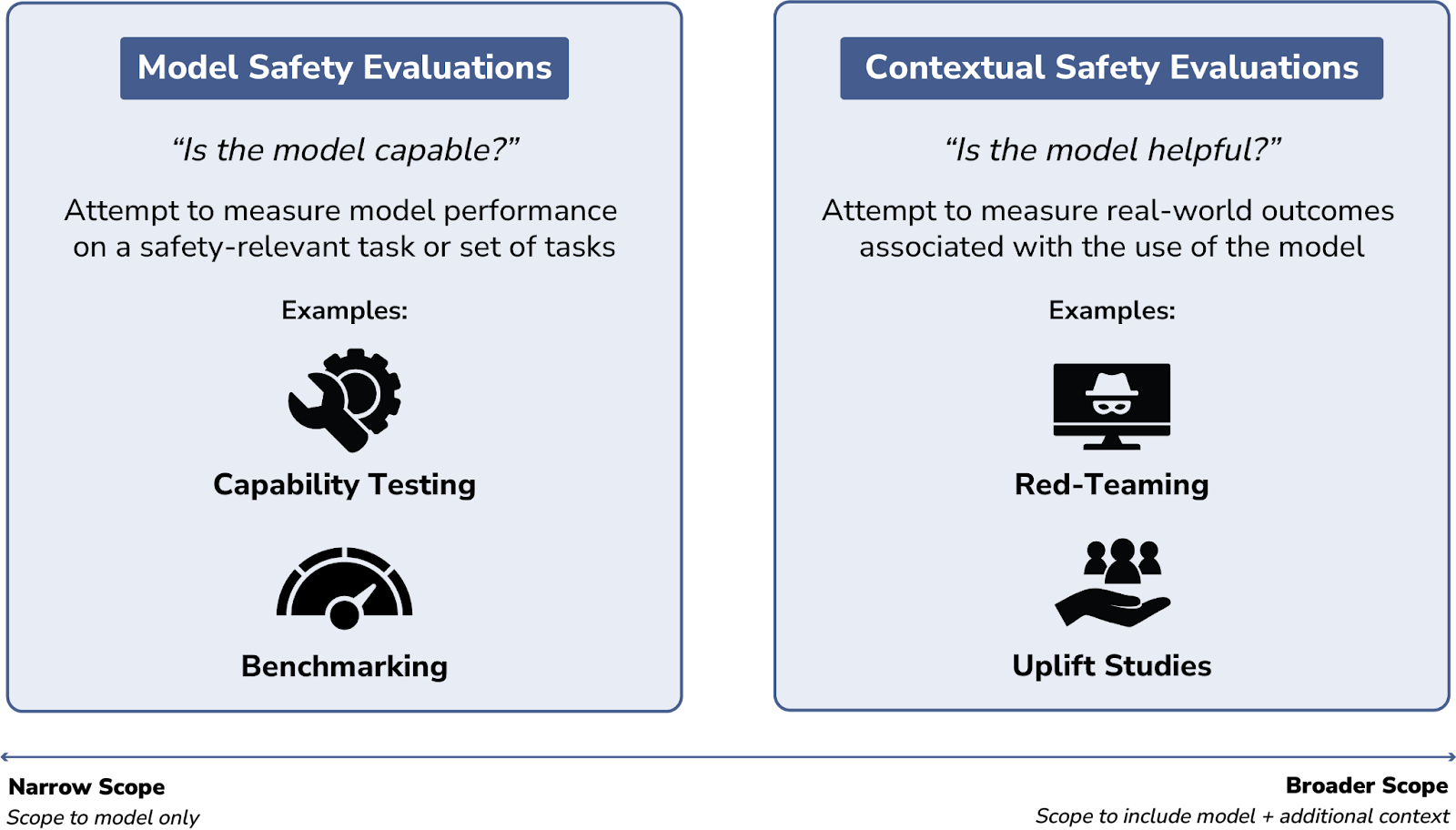
Access changes the work. A red-team group with model weights, system cards, tool logs, and staff interviews can run stronger evaluations than a group using a public chatbot interface. It is the difference between inspecting a restaurant kitchen during prep and rating the meal after it hits the table.
Closer access can improve safety testing, but closeness also creates dependency. The whole system works only if evaluators can say uncomfortable things without losing access, money, or future work.
The Independence Problem With AI Safety Evaluators
Here is the thing. Independence is not a vibe. It is a set of enforceable conditions that keep the evaluator from becoming an unpaid PR department or a paid compliance fig leaf.
The risk is familiar to anyone who has covered tech audits for a while. Companies want the credibility of outside review, but they often prefer review that stays quiet, narrow, and easy to manage. AI labs are no different, even if their mission statements sound grander.
Follow the money
If OpenAI or Anthropic pays the evaluator directly, the evaluator may face a conflict. That does not make the work worthless, but it does mean readers need to know the funding model and the contract terms.
A stronger setup would use pooled funding, regulator-approved audit panels, or independent foundations with multi-year budgets. The goal is boring but non-negotiable. Testers should not fear losing next quarter’s contract because they wrote a hard report.
Publication rights matter
An evaluator who cannot publish meaningful findings has limited value to the public. Some details will need to stay private, especially if they describe biosecurity risks, cyber abuse paths, or model weights. Fine. But the default should not be silence.
Good reporting can use tiers. Public summaries can explain the test scope, severity levels, mitigations, and unresolved issues, while sensitive technical material goes to regulators or approved oversight bodies. That gives the market useful signal without handing bad actors a recipe.
Access can become a leash
Labs control access to models, tooling, logs, and staff. If an evaluator gets cut off after a negative finding, the chilling effect is obvious. Other evaluators will see it too.
Contracts should spell out access rights before testing begins. They should also include dispute processes, appeal channels, and protections for evaluators who escalate serious concerns (yes, this is dry paperwork, but it is where independence lives).
What OpenAI and Anthropic Need to Prove
Both companies have spent years arguing that frontier models need serious safety work. Anthropic built much of its public identity around AI safety, while OpenAI has faced sharp scrutiny over governance, safety staff departures, and product release pressure. That history raises the stakes.
If these labs want embedded evaluators to be trusted, they should publish a clear framework before the next major model release. Not a glossy values page. A practical operating model.
- Name the evaluators. Identify the organizations, their leadership, and their relevant expertise.
- Disclose the payment structure. Explain who pays, how much, and whether future work depends on company approval.
- Define the test scope. Cover cyber misuse, biosecurity, autonomy, persuasion, deception, data leakage, and tool use where relevant.
- Guarantee publication rights. Allow public summaries with severity ratings and unresolved concerns.
- Preserve raw evidence. Keep logs, prompts, model outputs, and mitigation records for later review.
- Create an escalation path. Give evaluators a route to regulators or independent oversight if a lab ignores severe findings.
Would every lab accept that level of scrutiny? Probably not. But if a company claims its models may reshape labor markets, security operations, and public information, it can handle adult supervision.
What Regulators Should Ask Next
Policymakers do not need to design every AI evaluation from scratch. They do need to make sure private safety review does not become theater. The right questions are concrete.
- Can the evaluator test pre-release models without company staff steering every prompt?
- Can the evaluator compare results across model versions?
- Can findings delay launch, or are they advisory only?
- Who sees unresolved high-risk findings before release?
- What happens if the lab and evaluator disagree about severity?
The European Union’s AI Act, the U.S. AI Safety Institute, and the U.K. AI Safety Institute all point toward more formal testing regimes for powerful systems. The missing piece is teeth. Voluntary access helps, but enforceable audit rights change behavior.
Look at financial audits. They are imperfect, and scandals still happen. But the structure matters because auditors have duties, records, standards, and liability. AI evaluation needs its own version of that architecture, not a loose handshake before launch day.
How Buyers Should Read Safety Claims
Enterprise customers should not wait for regulators to sort this out. If your company is buying frontier AI tools, ask vendors for the evaluation record behind their safety claims. Treat it like a security review.
Do not settle for vague claims that a model was tested by outside experts. Ask who tested it, what they tested, what failed, what changed, and what remains unresolved. If the vendor cannot answer, that tells you something.
- Request the latest model card or system card.
- Ask whether external evaluators had pre-release access.
- Check if the report includes limitations, not only wins.
- Look for repeat testing after mitigations.
- Push for contractual notice if safety findings change after deployment.
Procurement teams often treat AI safety as a policy checkbox. That is a mistake. A model that leaks sensitive data, follows harmful tool instructions, or fabricates legal and medical claims can create direct business risk.
The Real Test Is What Happens After a Bad Finding
The best measure of independence is simple. Watch what happens when an evaluator finds something ugly. Does the lab delay release, narrow capabilities, publish the issue, or quietly shop for a friendlier reviewer?
Embedded AI safety evaluators could make frontier models safer if the setup is built for friction. If the setup is built for comfort, it will produce polished paperwork and little else. The next major OpenAI or Anthropic release should show which version the industry is choosing.