AI Safety Debate: Safety or Control?
You want safer AI systems, but you also do not want a handful of companies deciding what safety means. That tension now sits at the center of the AI safety debate. As TechCrunch recently framed it, the fight is no longer a clean split between cautious researchers and reckless accelerationists. It is messier than that. Frontier labs want rules, startups fear moats, open source advocates see gatekeeping, and policymakers are trying to write laws around systems they barely understand. The stakes are practical. The rules set now could decide who can build advanced models, who can audit them, and who pays when they fail. Safety matters. So does power. If the public conversation treats those as separate issues, it will miss the real story.
What deserves your attention
- AI safety debate arguments often mix real technical risks with commercial incentives.
- Licensing rules can reduce harm, but they can also protect incumbents if written poorly.
- Open source AI creates accountability and access, yet it also makes misuse harder to contain.
- Better safety policy needs audits, incident reporting, model evaluations, and competition safeguards.
Why the AI safety debate feels different now
The early AI safety discussion sounded abstract. Researchers talked about alignment, runaway systems, and long-term risk. Those questions still matter, but the near-term issues are now louder because people can see them: deepfake fraud, automated cyber probing, synthetic child abuse material, and chatbots that give dangerous advice.
At the same time, the business stakes have gone seismic. Training frontier models can cost hundreds of millions of dollars, and access to chips, data, and cloud contracts is uneven. That means safety proposals can double as business strategy. A rule that looks prudent on paper may quietly raise the drawbridge for smaller labs.
Control is the quiet word under the table.
AI safety debate: where safety concerns are real
Let’s not pretend the risk side is theater. NIST’s AI Risk Management Framework, the EU AI Act, and work from AI safety institutes all point to a plain fact: advanced AI systems can fail in ways that scale quickly. One bad deployment can reach millions of users before anyone understands the damage.
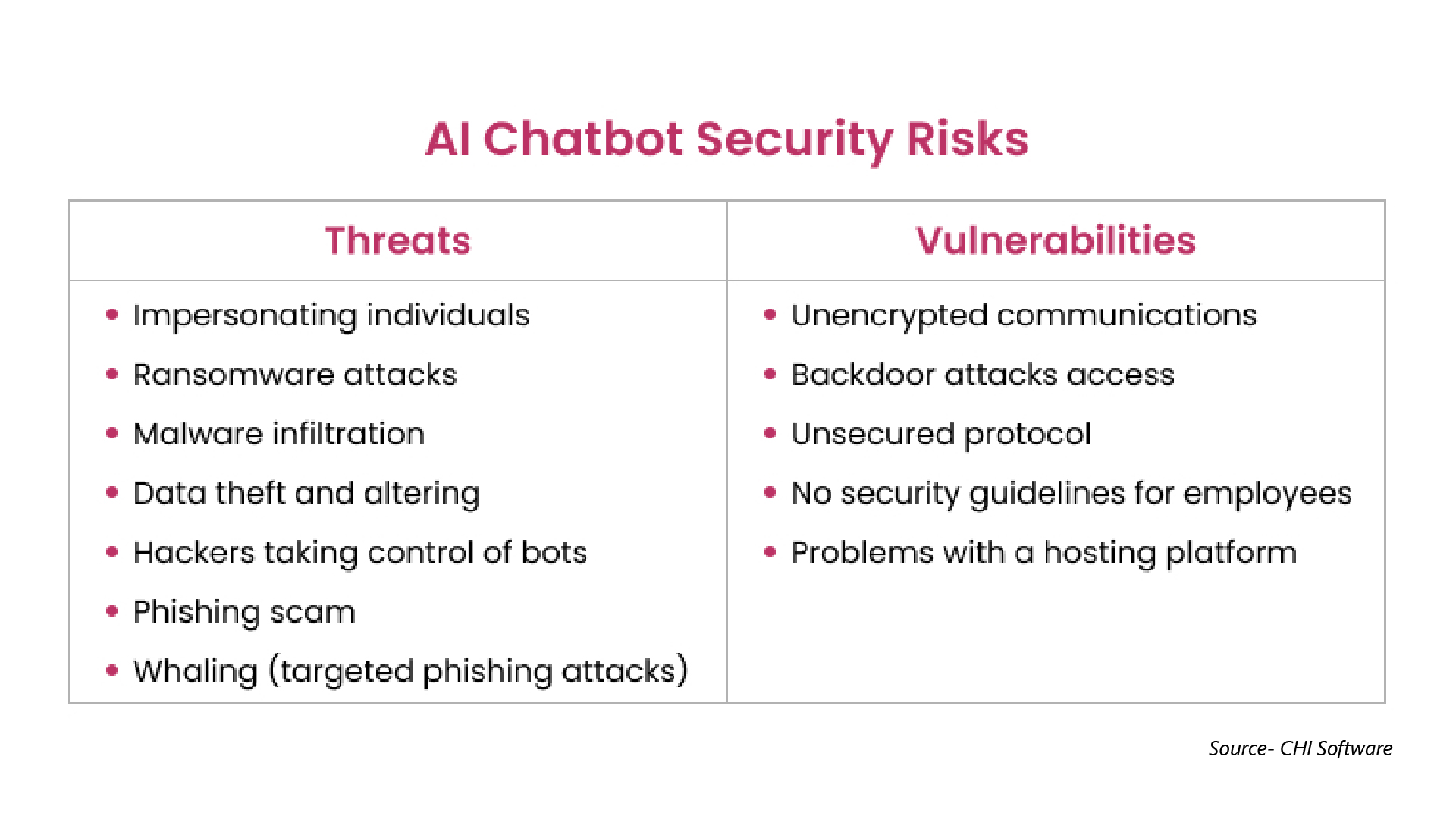
The most concrete risks tend to fall into a few buckets. They are not all existential. Many are boring, immediate, and expensive.
- Cyber misuse: AI can help attackers write phishing lures, scan code, and automate parts of intrusion workflows.
- Biosecurity: Models may lower the research barrier for harmful biological instructions, even if they do not create expertise from thin air.
- Fraud and impersonation: Voice cloning and image generation make scams cheaper and more convincing.
- Model behavior: Chatbots can produce false claims, biased outputs, or unsafe instructions with high confidence.
- Autonomous agents: Systems that can browse, code, buy, and message on a user’s behalf create new failure paths.
None of this proves that every powerful model needs the same treatment as nuclear material. But it does justify testing, documentation, staged release, and real accountability. Would you board a plane if the manufacturer said safety testing would slow innovation?
Good AI policy should make dangerous behavior harder without turning permission to build into a private club.
Where control enters the AI safety debate
The control argument starts with a blunt question: who benefits from strict rules? Large AI labs already have legal teams, policy staff, compute contracts, and internal safety groups. A small research shop or university lab usually does not. If compliance costs climb too high, the winners are easy to predict.
This is why open source supporters get twitchy when frontier companies call for licensing. Some proposals sound like building codes, which can save lives. Others sound like requiring every home cook to meet restaurant kitchen standards before making dinner for friends. Same language, very different effect.
There is also a speech and research problem. If model weights, safety papers, or evaluation tools become locked behind government-approved channels, independent researchers lose the ability to test claims made by the biggest labs. That would be a rotten bargain. You do not get trustworthy AI by asking the vendors to grade their own homework.
How to separate safety policy from power grabs
Here’s the thing. The answer is not “regulate everything” or “regulate nothing.” That binary is lazy. The better test is whether a proposal targets measurable risk, applies evenly, and preserves outside scrutiny.
- Ask what behavior the rule addresses. A good rule names the harm, such as deceptive impersonation, insecure deployment, or failed red-team testing. Vague fear should not be enough.
- Check who can comply. If only the top three labs can afford the process, policymakers should explain why that cost is necessary.
- Protect independent audits. Researchers need safe channels to test models, report flaws, and publish findings.
- Separate model size from model risk. Parameters and compute matter, but deployment context matters too. A smaller model wired into financial systems may create more harm than a larger model in a sandbox.
- Require incident reporting. Aviation improved because failures were studied. AI needs a similar habit, with privacy and security protections.
Strong policy should also guard competition. Antitrust agencies, procurement offices, and standards bodies all have a role here. If safety rules funnel government contracts toward the same few companies, the public will end up paying for concentration under a cleaner label.
What companies should do before rules harden
If you run a company using AI, do not wait for lawmakers to settle the philosophy fight. Build the basics now. Keep an inventory of AI systems, record which models touch sensitive data, and define who approves higher-risk use cases.
You also need a release checklist that people will actually follow (not a 90-page PDF nobody opens). Test for obvious failure modes, log incidents, and give users a way to appeal or correct automated decisions. If a model can affect hiring, lending, health, education, or security, treat it as a governed system rather than a shiny productivity tool.
- Document your model providers, versions, and major configuration changes.
- Run red-team tests for abuse, privacy leakage, and unsafe outputs.
- Set human review points for high-impact decisions.
- Train staff on what data they can and cannot enter into AI tools.
- Review vendor claims against third-party evaluations when available.
This is not glamorous work. It is closer to plumbing than product marketing. But plumbing is what keeps the house from flooding.
What the AI safety debate needs next
The best version of the AI safety debate would stop treating safety and control as rival explanations. Both can be true at once. Some people pushing rules are worried about real harms, and some are also protecting turf.
Policymakers should demand evidence, not vibes. Companies should accept outside testing. Open source advocates should admit that access can raise misuse risks. And the rest of us should keep asking the least comfortable question in the room: who gets safer, and who gets more powerful?