AI Safety Theater Is Not Enough
You are being asked to trust AI companies at the exact moment their systems are becoming harder to inspect. That is why AI safety theater matters. The phrase fits the gap between what the public sees, polished commitments and careful stagecraft, and what actually reduces risk. Wired’s piece, Whatever AI Safety Looks Like, It’s Not This, lands on a blunt point: a lot of the current safety conversation feels designed to reassure, not to prove. If you use AI at work, buy AI software, teach with it, regulate it, or build near it, this is not an abstract fight. It decides who carries the cost when a model gives bad medical guidance, fabricates legal material, manipulates users, leaks data, or behaves in ways its maker did not expect.
What Matters Right Now
- Voluntary promises are weak guardrails. They can help, but they do not replace audits, liability, and enforceable rules.
- Model evaluations need context. A benchmark score says little if the test is narrow, private, or easy to game.
- Safety teams need power. A lab can hire respected researchers and still ignore them when launch pressure spikes.
- Public trust should be earned. Trust comes from evidence, not press events, closed reports, or selective demos.
Why AI safety theater keeps winning
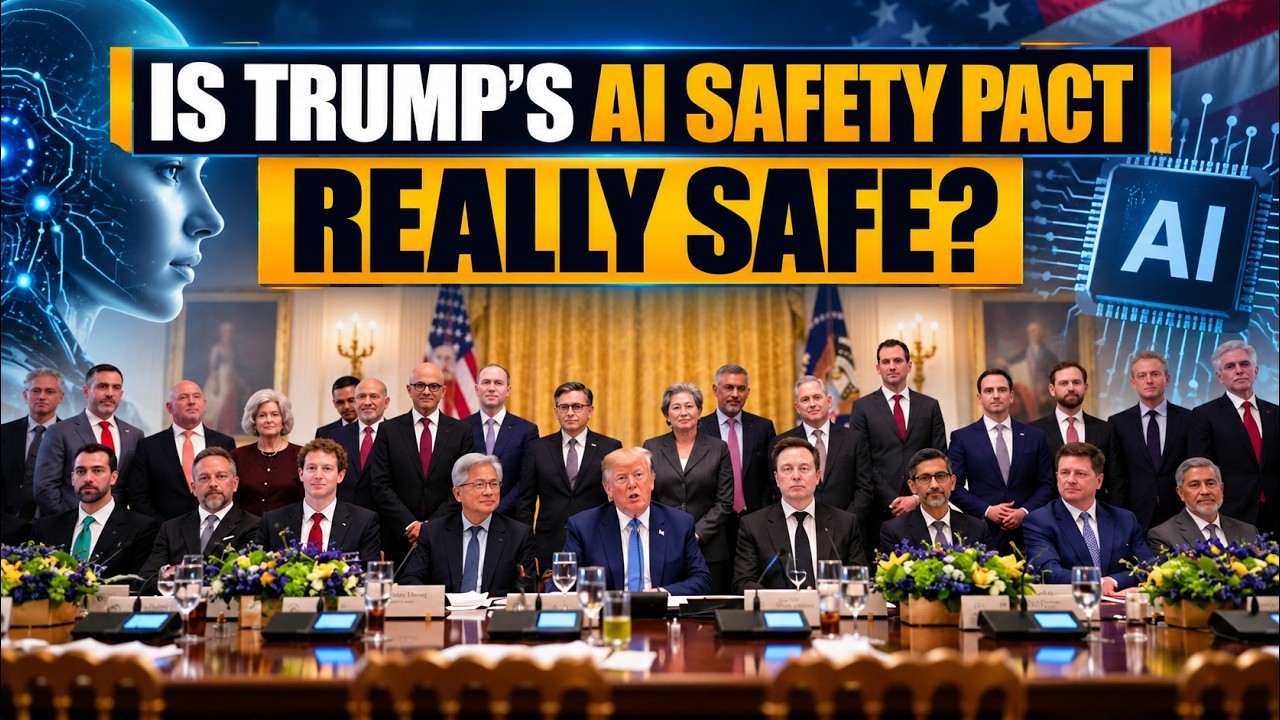
AI companies have a strong reason to look careful. They need customers, cloud partners, investors, regulators, and the public to believe that bigger models will stay manageable. So the industry often reaches for gestures that look serious from a distance: safety summits, voluntary commitments, internal red-team reports, model cards, and carefully worded usage policies.
Some of that work has value. Red teaming can find obvious failures. System cards can explain training choices. But the problem starts when these tools become a substitute for accountability. A smoke alarm is useful, but it is not a fire code.
Real AI safety is not a vibe. It is a chain of evidence that survives contact with business pressure.
Look, I have covered enough technology cycles to recognize the pattern. First comes the product race. Then comes the public concern. Then comes the industry-backed framework that sounds stern while preserving maximum freedom for the companies already in front. Why would this market be different?
That is safety theater.
What real AI safety should include
Real AI safety starts before launch and keeps going after release. It asks plain questions. What can this system do, who tested it, what did they fail to test, and what happens when it causes damage?
A serious program should include at least five pieces. None are exotic. All are inconvenient, which is usually how you know they matter.
- Independent testing before release. Outside experts should be able to test frontier models under secure conditions, with enough access to find meaningful failures.
- Clear incident reporting. Companies should disclose major failures, misuse patterns, and near misses in a standard format.
- Defined risk thresholds. A lab should say in advance what model behavior would delay deployment or trigger extra controls.
- Data and privacy checks. Safety cannot ignore training data, consent, memorization, or sensitive information leakage.
- Executive accountability. If leaders can override safety teams without a paper trail, the process is mostly decorative.
This is where the debate gets sticky. AI labs argue that too much disclosure can help bad actors. That is fair in some cases. But secrecy also protects sloppy work, selective evidence, and rushed deployment (especially when the next funding round depends on momentum).
How to spot AI safety theater before you buy in
You do not need a PhD in machine learning to ask better questions. If a vendor says its model is safe, ask what that means in practice. Safe for a school? Safe for a hospital? Safe for a bank’s customer support workflow? Those are different claims.
Here is a practical filter I use when reviewing AI safety claims:
- Who tested it? Internal teams are useful, but independent review carries more weight.
- What was tested? Look for concrete categories such as cyber abuse, persuasion, hallucination, privacy leakage, bias, and autonomy.
- What failed? A safety report with no meaningful failures is often a brochure.
- What changed after testing? Good testing should alter the model, product design, or release plan.
- Who can stop the launch? If the answer is only the CEO, safety has a weak spine.
Think of it like building inspection. A restaurant can tell you the kitchen is clean, and the chef may even believe it. But you still want an inspector with a clipboard, authority, and no stake in tonight’s revenue.
AI safety theater and the problem with voluntary rules
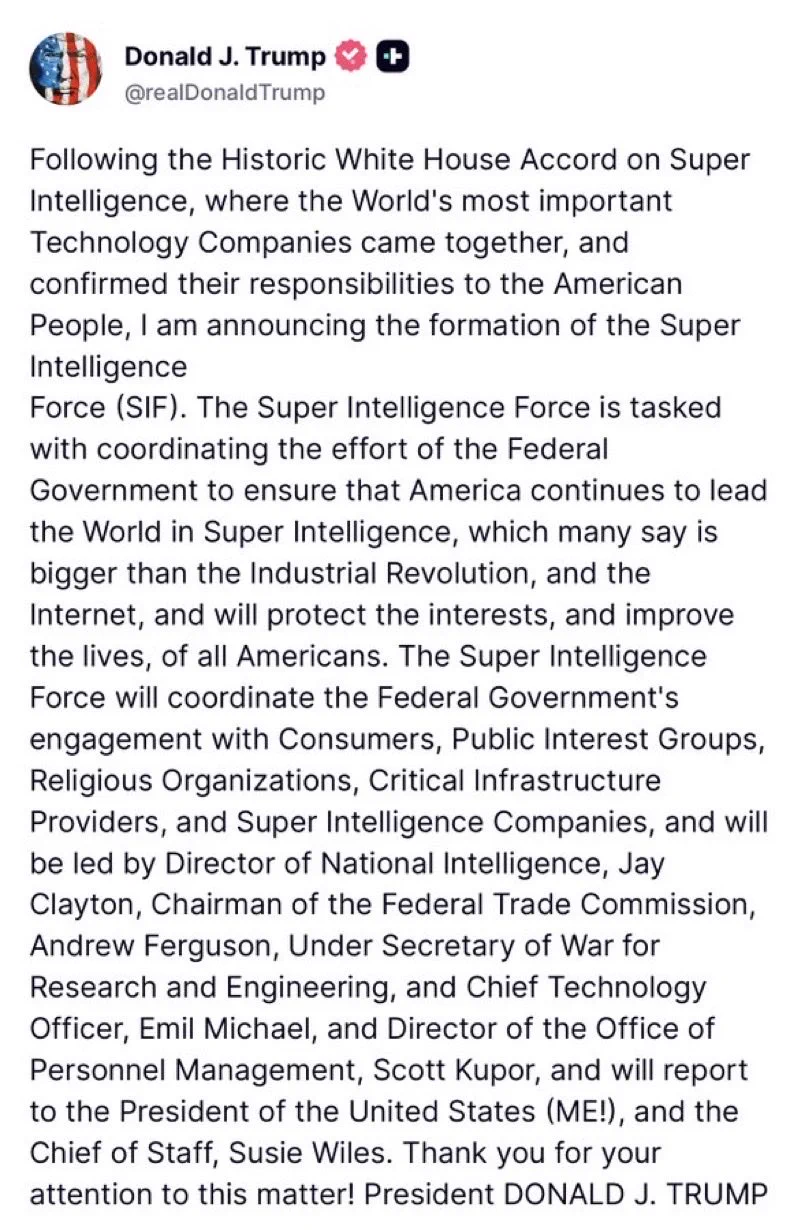
Voluntary rules are not useless. They can move faster than law, and they can set early norms while regulators catch up. The White House voluntary AI commitments in 2023, the Bletchley Declaration from the UK AI Safety Summit, and the work of groups such as NIST all pushed the conversation toward testing, transparency, and risk management.
But voluntary rules have a ceiling. Companies can leave the hard parts vague. They can publish selective results. They can define safety in ways that fit their product roadmap. And if there is no penalty for breaking a promise, the promise becomes a public relations asset.
The better path is layered. Use voluntary standards for early coordination, then add enforceable duties where the risk is high. That may include mandatory reporting for frontier models, third-party audits for systems used in sensitive sectors, privacy rules with teeth, and liability when foreseeable harms are ignored.
The open-source fight is more complicated than slogans
One reason AI safety debates get ugly is that different groups fear different futures. Some researchers worry that open model weights could help malicious actors. Some developers worry that closed labs will use safety as a shield against competition. Both concerns can be true.
A blanket answer will not work. A small open model for local coding assistance is not the same as a frontier system with strong cyber or bio-assistance capabilities. Regulators should focus on capability, deployment context, and access controls rather than treating every open model as a threat.
That said, the open-source community should not pretend release choices have no consequences. Once weights are public, recall is close to impossible. The responsible question is not whether openness is good or bad. It is what level of capability deserves friction before release.
What you should demand from AI vendors
If your company is buying AI tools, do not settle for glossy safety language. Put safety into procurement. Make vendors answer in writing, and ask for updates when models change.
- Ask for recent evaluation summaries, including known weaknesses.
- Require data retention and training-data policies in plain language.
- Check whether the vendor supports audit logs and admin controls.
- Demand human review for high-stakes outputs.
- Set an exit plan in case the model changes, prices jump, or safety terms weaken.
This may sound bureaucratic. It is not. It is basic risk control, the same way companies review security, compliance, and vendor reliability before handing over customer data.
What comes after the performance
The next phase of AI safety will be judged by boring evidence. Contracts. Audit trails. Incident databases. Regulator access. Insurance terms. Court cases. Procurement checklists. That is where the serious work will show up.
Wired is right to push against the pageantry. The public does not need another promise that a lab is committed to responsible AI. It needs proof that someone outside the lab can test the claim, challenge the release, and force a change when the evidence is bad. Ask for that before you trust the next demo.