AI Synthetic Quotes in Books: What Authors Risk
If you write, edit, or publish for a living, the latest case of AI synthetic quotes in books should get your attention fast. A nonfiction author used AI in his workflow, fabricated quotes made it into the final book, and the fallout did not end with a simple correction. It raised a harder question. If a tool invents words and you publish them under real names, what exactly are you outsourcing?
This matters now because AI writing tools are spreading through publishing, journalism, and corporate content teams. They save time. They also flatten the distance between drafting and factual error. Look, a made-up quote is not a typo. It is a trust breach, and once readers spot one, they start doubting everything else on the page.
What matters here
- AI synthetic quotes in books are not minor mistakes. They can damage credibility for authors, editors, and publishers.
- Large language models predict text. They do not verify quotations or sources unless a human checks every claim.
- Nonfiction publishing needs stricter AI disclosure and fact-checking rules.
- An author choosing to keep using AI after this kind of error tells you how strong the efficiency pull has become.
How the AI synthetic quotes in books problem happened
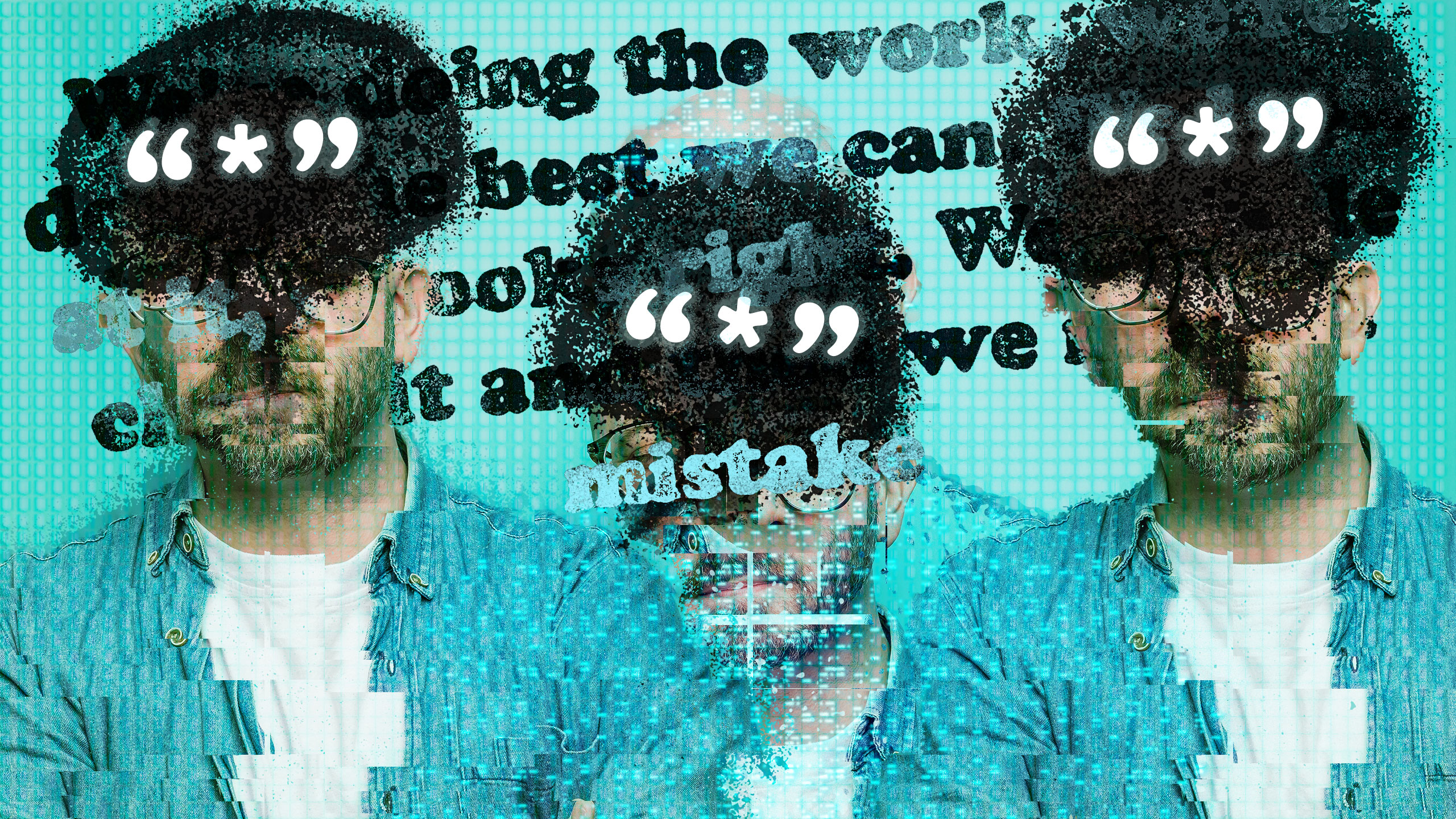
According to Ars Technica, an author used AI during the book production process and synthetic quotes ended up in the published work. Those quotes were presented as if real people had said them. They had not. That is the core failure.
And this is where a lot of AI hype falls apart. These systems are good at producing plausible language. Plausible is not the same as true. In a nonfiction book, that gap is non-negotiable.
Think of it like building a house with polished counterfeit bolts. From the sidewalk, everything looks fine. Under pressure, the structure tells the truth.
Publishing invented quotes under a real person’s name is not an efficiency problem. It is an accuracy problem, and accuracy is the job.
Why do these failures keep happening? Because many users still treat AI as a research aide when it is really a prediction engine. It can summarize, suggest, and restructure. It cannot be trusted to invent evidence-free specifics and somehow land on the truth by accident.
Why authors keep using AI anyway
Honestly, this is the part many people in publishing do not want to say out loud. AI saves time in messy, expensive workflows. Drafting, outlining, line editing, interview prep, marketing copy, metadata, and audience positioning all move faster with these tools.
That speed is seductive. Deadlines are tighter. Advances are under pressure. Editorial teams are leaner than they were a decade ago. So even after a public mistake, some authors still see AI as worth using, provided they believe they can tighten review around it.
Maybe they can. But only if they stop pretending the model is a neutral assistant.
It isn’t.
It is more like a very fast intern who sounds confident, works without sleep, and will sometimes hand you a fabricated citation with a straight face (which is useful only if you treat every line as suspect).
What AI synthetic quotes in books reveal about publishing standards
This case exposes an awkward truth about modern publishing. Fact-checking is uneven. Many nonfiction books do not go through the same verification process you would expect from a major magazine investigation. Some are checked closely. Some are checked lightly. Some rely heavily on the author.
That old system was already fragile. Add generative AI, and the weak spots widen.
Where the workflow breaks
- Draft assistance turns into source substitution. An author asks AI to summarize notes or reconstruct material.
- Plausible text slips in. The model generates a quote, anecdote, or attribution that looks clean enough to pass.
- Review gets rushed. Editors focus on structure, pacing, and permissions, not line-by-line source validation.
- Error reaches print. Then readers, reporters, or the misquoted subject catch it.
None of that is theoretical now. We have a concrete example.
What authors should do before using AI on nonfiction
If you are writing nonfiction, biography, reported essays, or anything with named people, dates, or claims, your AI rules need to be severe. Not polite. Severe.
- Never publish a quote unless you can trace it to a recording, transcript, document, or reliable prior publication.
- Do not ask AI to recreate missing wording from notes.
- Mark every AI-assisted passage in your draft so it gets an extra verification pass.
- Keep source files organized by chapter, claim, and attribution.
- Assume any specific fact generated by AI is unverified until proven otherwise.
Here’s the thing. Most of these practices are just solid reporting hygiene. AI did not invent the need for verification. It did increase the volume and polish of false material that can slip past tired humans.
What publishers and editors should change now
Publishers should stop treating AI use as a private author preference and start treating it as an editorial risk category. That means written policy, not hallway chatter.
Basic policy that should already exist
- Require disclosure of generative AI use in manuscripts.
- Ban AI-generated quotations and source attributions unless independently verified from primary material.
- Create a checklist for AI-related fact review before copyedit and before final proof.
- Set rules for high-risk categories such as history, memoir, investigative nonfiction, health, and law.
Would this slow some projects down? Yes. But the alternative is cheaper only until the correction cycle, legal risk, and reputational damage arrive.
The bigger trust problem for AI in writing
Readers are not asking whether an author used software. They are asking whether the book is true. That distinction matters. Spellcheck does not invent interviews. A style tool does not fabricate testimony. Generative AI can do both if you let it drift into parts of the workflow it has no business touching.
This is why the debate over AI in publishing often sounds so slippery. Supporters talk about productivity. Critics talk about truth. Both are discussing the same tool from different ends of the pipeline.
And once a reader hears “synthetic quotes,” every clean paragraph starts to look shaky.
Trust in nonfiction is cumulative and fragile. You build it line by line, then lose it in a sentence.
Where this goes next
Expect more disclosures, more quiet rewrites of contracts, and more public cases like this one. The economics of publishing push people toward faster tools, while the ethics of nonfiction push the other way. That tension is not going away.
My view is simple. Use AI for brainstorming, organization, and grunt work if you must. Keep it away from quotes, sourcing, and factual reconstruction unless you can verify every line yourself. If the industry cannot hold that line, readers will do it for them, and they will be far less forgiving.