Should Your Salary Include $250,000 in AI Tokens?
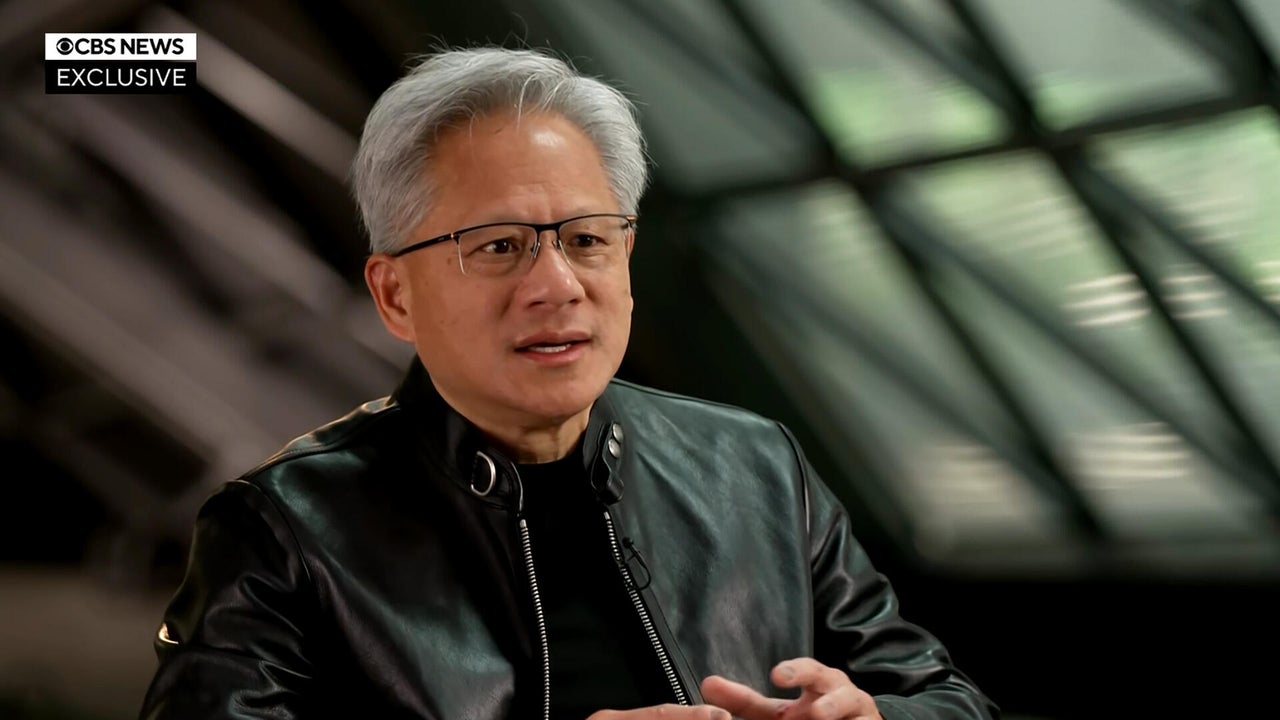
Nvidia CEO Jensen Huang proposed at GTC 2026 that engineers should receive roughly half their base salary in AI tokens, the computational units that power tools like Claude, ChatGPT, and Gemini. His top engineers, by his math, might burn through $250,000 a year in AI compute. Huang called it a recruiting tool and predicted it would become standard across Silicon Valley. The idea is simple: more compute makes engineers more productive, and more productive engineers are worth more. But not everyone agrees this is a straightforward win for workers.
How AI Token Compensation Works
- Companies give engineers a budget of AI tokens alongside salary, equity, and bonuses
- Tokens power AI coding assistants, agents, automation tools, and inference
- VC Tomasz Tunguz estimated top-quartile engineers earn $375K salary plus $100K in tokens
- Engineers at Meta and OpenAI compete on internal leaderboards tracking token consumption
- An Ericsson engineer in Stockholm reportedly spends more on Claude each month than he earns in salary
Why Token Budgets Are Growing Fast
The rise of agentic AI is driving the trend. Tools like OpenClaw, an open-source AI assistant launched in January 2026, run continuously. They churn through tasks, spawn sub-agents, and work through to-do lists while users sleep. Where someone writing an essay might use 10,000 tokens in an afternoon, an engineer running a swarm of agents can burn through millions in a day, automatically, without typing a word.
The New York Times reported that generous token budgets are quietly becoming a standard job perk, the way dental insurance or free lunch once was. The term “tokenmaxxing” has entered the vocabulary, describing engineers who maximize their compute usage to boost productivity.
“At the point where a company’s token spend per employee approaches or exceeds that employee’s salary, the financial logic of headcount starts to look different to its finance team.”
The Case Against Tokens as Pay
Jamaal Glenn, a Stanford MBA and former VC, argues that tokens inflate the apparent value of compensation without increasing cash or equity. Your token budget does not vest. It does not appreciate. It does not show up in your next offer negotiation the way a base salary or equity grant does.
If companies normalize tokens as pay, they may keep cash compensation flat while pointing to a growing compute allowance as evidence of investment. That is a good deal for the company. Whether it is a good deal for the engineer depends on questions most engineers cannot yet answer.
What Engineers Should Watch For
A large token allotment comes with large expectations. If a company funds a second engineer’s worth of compute on your behalf, the pressure to produce at twice the rate is implicit. And if the compute is doing the work, the question of how many humans need to coordinate it becomes harder for finance teams to avoid.
AI tokens may become the fourth pillar of engineering compensation. But they are not equity, and they are not cash. Engineers considering offers that lean heavily on token budgets should weigh what they are getting against what they might be giving up in salary and stock that compounds over time.