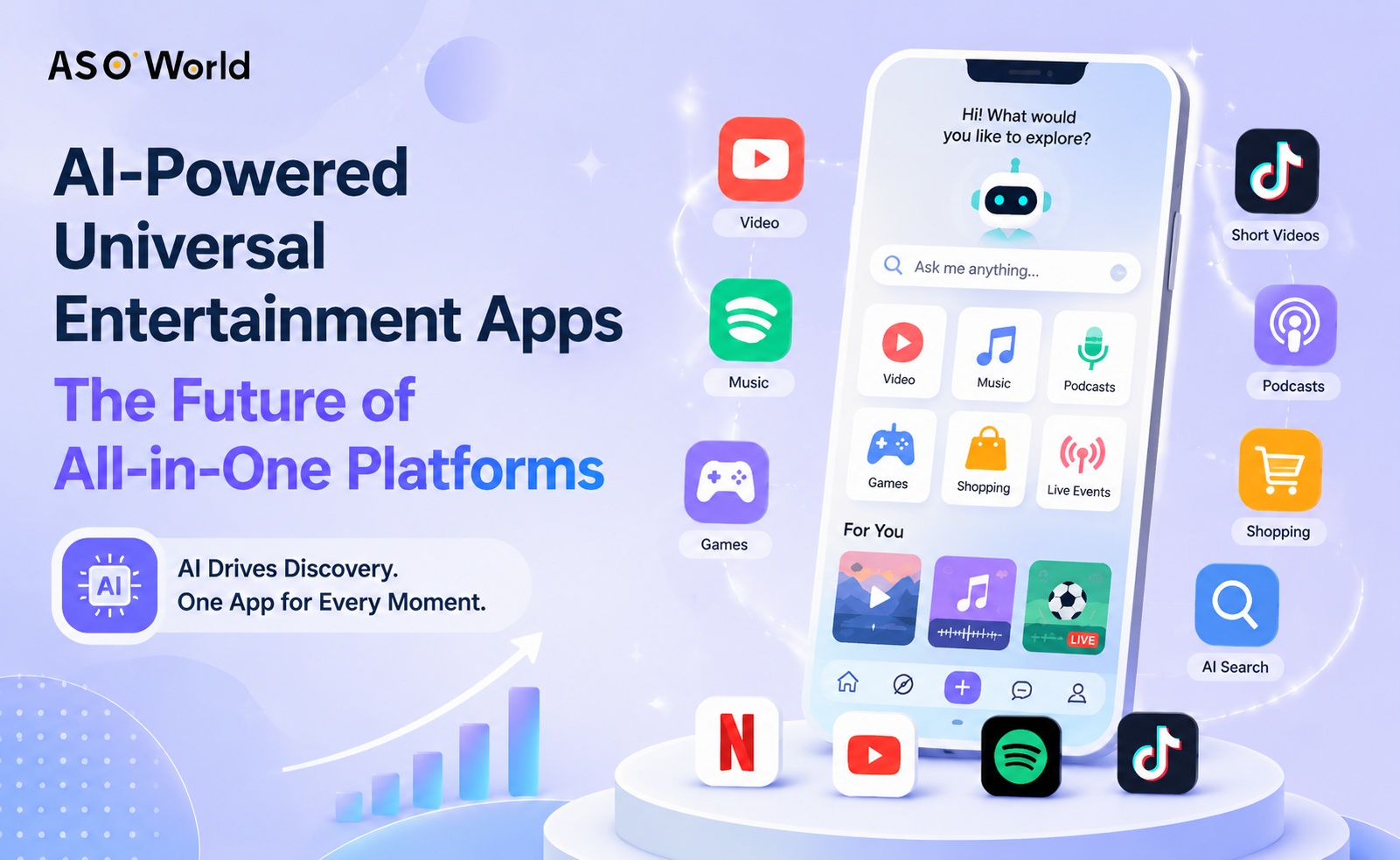
AI Universal Entertainment App: What It Means for Media
People do not want ten apps for one night of entertainment. They want one place that can suggest a movie, spin up a playlist, answer questions about a show, and keep them hooked without friction. That is why the AI universal entertainment app matters now. It sits at the center of a real shift in how audiences find, choose, and share content.
The pressure is already visible across streaming, music, gaming, and creator platforms. Recommendation feeds are getting smarter. Chat interfaces are replacing search boxes. And the companies that own the interface may end up controlling more of the viewing journey than the studios and services that make the content. Who gets the customer relationship when one app becomes the front door for everything?
Look, this is not just another product trend. It is a change in distribution. If you make media, build software, or invest in either, you need to understand how the AI universal entertainment app changes attention, discovery, and pricing.
Why the AI universal entertainment app matters
- It shortens the path from intent to content.
- It raises the value of the interface, not just the catalog.
- It shifts discovery from browsing to conversation.
- It can bundle formats like video, audio, games, and social features in one flow.
The real appeal is convenience. People do not want to jump from Netflix to Spotify to YouTube to Twitch to a chatbot. They want a single control layer. That is the same logic that made the smartphone so dominant. One device replaced a pile of separate tools. Now software wants to do the same thing to entertainment.
That analogy matters. A good universal app is like a well-designed kitchen. You do not need a different room for every meal. You need the right tools in one place, arranged so the work feels easy.
How the AI universal entertainment app changes discovery
Traditional recommendation engines guess based on history. The new wave of AI tools can ask follow-up questions, refine taste in real time, and respond to context. That means the app can move from passive suggestions to active curation.
That shift is seismic. Search and browse were built for people who already knew what they wanted. Conversation works better for people who only know the vibe. Want something dark but funny, under two hours, and good for a group of four? A smart assistant can narrow it fast.
“The winning app may be the one that reduces choice fatigue, not the one with the biggest library.”
But there is a catch. If the app becomes the gatekeeper, the platform can steer attention with subtle defaults. That gives it power over what gets surfaced, what gets buried, and what gets monetized. Media companies should care about that power. A lot.
What publishers and streamers should watch
- Referral traffic. If people stay inside the app, external sites may lose clicks.
- Attribution. You need to know which recommendations drive views, listens, and sign-ups.
- Packaging. Bundles may beat standalone subscriptions if the AI assistant can explain the value clearly.
- Rights and metadata. Clean catalogs will matter more because AI systems depend on structured information.
Streaming platforms already spend heavily on recommendation engines, but this next step is different. The assistant does not just rank content. It negotiates intent. That makes metadata, licensing terms, and partner access much more important.
Why metadata becomes non-negotiable
If your titles, credits, genres, and rights data are sloppy, the app will misread your library. Then the best content loses. That is not theory. It is basic software behavior. Garbage in, bad recommendation out.
And this is where smaller players can gain ground. A niche service with clean data and a tight identity may outperform a giant catalog with messy tagging. The assistant rewards clarity.
The business model behind the AI universal entertainment app
The money will likely come from a mix of subscriptions, affiliate fees, ad targeting, and usage-based premiums. Some apps may charge for advanced personalization. Others may bundle entertainment with devices, telco plans, or membership programs.
Here is the thing. The app that owns the daily habit can extract value in many ways, even if it does not own the content outright. That is why platform owners are so eager to enter this space. They want the toll booth, not just the road.
Expect two fights. First, content owners will push back against opaque ranking systems. Second, regulators will ask whether a universal assistant unfairly favors its own services. Those questions are not abstract. The European Union has already shown it is willing to scrutinize dominant platforms, and US regulators are watching bundling and self-preferencing closely.
How you should respond now
If you run a media business, do three things now.
- Audit your metadata. Fix titles, tags, rights fields, and release descriptions.
- Track assistant-driven discovery. Build analytics that show how AI surfaces your content.
- Test conversational packaging. Write copy that answers real user prompts, not just homepage browsing.
If you build products, design for fast intent matching. People will not tolerate clunky prompt flows. They want speed, relevance, and trust. No wandering. No maze.
Honestly, the most useful teams will stop thinking like broadcasters and start thinking like information architects. That means less hype, more structure, and a sharper sense of how people actually choose entertainment at 9 p.m. on a Tuesday.
What happens next for AI universal entertainment app platforms
The next phase will not be decided by flashy demos. It will be decided by habit. Can the app answer quickly? Can it remember taste without getting creepy? Can it help you move from “I have no idea what to watch” to a decision in under a minute?
That is the test. Not a press release, not a demo reel, not a product slide deck. If the AI universal entertainment app can become the default starting point for entertainment, then the industry around it will have to adapt fast. And if it cannot, the whole idea stays a neat feature, not a new layer of media power. Which side do you want to build for?