AI Voice Cloning of Dead Pilots Raises Hard Questions
If you work in aviation, safety training, or AI policy, AI voice cloning of dead pilots is not some distant edge case. It is here, and it forces a fast decision about where realism helps and where it crosses a line. The appeal is obvious. Recreated voices can make flight simulations, accident reconstructions, and training scenarios feel more real. That can sharpen attention and improve recall. But the cost is harder to shrug off. A dead pilot cannot consent. Families may object. And once synthetic speech sounds convincing, the same tool can blur the line between memorial, evidence, and product. That matters now because voice models are cheap, fast, and good enough to fool people who should know better. Look, aviation already runs on trust. Why risk eroding it without clear rules?
What stands out
- AI voice cloning of dead pilots may improve training realism, but it raises consent and dignity concerns.
- Synthetic pilot voices could affect accident investigation, especially if people confuse reenactment with original evidence.
- Airlines, regulators, and vendors need plain rules on disclosure, data use, and family permission.
- The aviation sector should treat cloned voices like sensitive safety material, not a novelty feature.
Why AI voice cloning of dead pilots is happening now
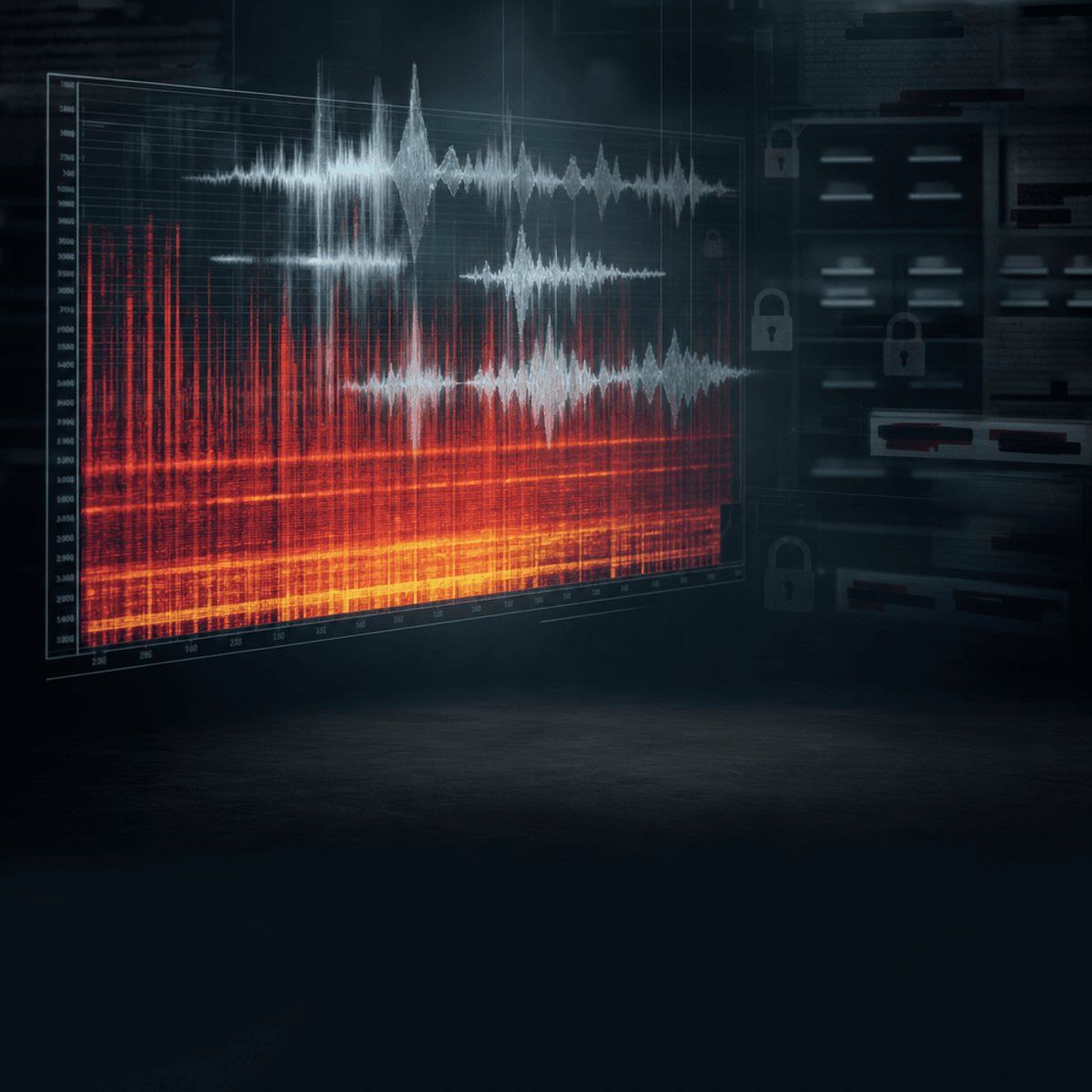
The technology has matured fast. A few minutes of clean audio can be enough to produce a convincing synthetic voice, and commercial tools have pushed costs down. What once needed a lab now fits into a browser workflow.
Aviation is an obvious target. Flight training depends on realism, repetition, and stress exposure. If a simulator can reproduce a known pilot’s speech patterns, cadence, and tone, trainers may argue that crews will react more naturally. That is the pitch, anyway.
More realism does not automatically mean better judgment. Sometimes it just means stronger emotional impact.
And that distinction matters. A simulator is supposed to teach good decisions under pressure. It is not supposed to turn a dead person’s voice into a dramatic prop.
Where AI voice cloning of dead pilots could be useful
Training and simulation
The strongest case is crew training. In some scenarios, hearing a realistic cockpit exchange could help pilots practice communication failures, task overload, or emergency response. Think of it like using a full-motion simulator instead of a desktop mock-up. Better inputs can produce better habits.
But only if the design is disciplined. A synthetic voice should serve a narrow learning goal, not shock value.
Accident reconstruction
Investigators and educators may also see value in reconstructed audio for teaching. A replay built from transcripts, cockpit voice recorder data, and timeline analysis can help explain what happened. Used carefully, that can support safety culture.
Here is the catch. A recreated voice is not original evidence. It is an interpretation. And if that distinction gets fuzzy, public understanding gets sloppy fast.
Historical archives and museums
Museums and memorial projects may want to recreate voices to tell aviation history. That is easier to defend when the context is explicit, the use is respectful, and the audience knows what is synthetic. But even there, intent is not enough. Governance matters.
The real problems nobody should wave away
Consent after death
This is the first question, and the hardest one. Did the pilot agree to this use while alive? If not, who gets to decide now? Families, employers, estates, and archivists may all have different views.
Honestly, the tech sector has a bad habit here. It assumes that if something can be generated, it can be justified later. That is backwards.
Emotional harm to families and crews
Hearing a dead person’s voice can hit like a punch. For relatives, former colleagues, or crash survivors, a cloned voice may feel invasive even when the stated goal is safety training. That reaction is not fringe or irrational. It is human.
One sentence in a policy document will not fix that.
Evidence confusion
A synthetic voice used in a documentary, internal training, or public hearing could be mistaken for authentic cockpit audio. The risk grows when the clone is close enough to trigger recognition. If the chain between source material and generated output is not documented, you create room for doubt where aviation can least afford it.
Commercial misuse
Once a voice model exists, secondary uses tend to multiply. Licensing, marketing, product demos, media content, and branded experiences can creep in (often dressed up as tribute). That is where the slope gets steep.
What good policy should look like
If airlines, training vendors, and regulators want to use this technology without blowing a hole in public trust, they need rules that are boring, strict, and enforceable. Boring is good. Boring keeps systems safe.
- Require documented consent from the pilot before death, or clear legal authorization from the estate where law permits.
- Limit use to defined purposes such as safety training, research, or memorial education.
- Ban promotional use unless there is separate, explicit permission.
- Disclose synthetic audio clearly every time it is played, shown, or distributed.
- Keep source records that show what original audio, transcripts, and edits shaped the output.
- Offer family review rights for sensitive public-facing uses.
- Audit vendors for model security, retention practices, and misuse controls.
That list is not fancy. It is the minimum.
How regulators and investigators should frame it
Authorities like the FAA, NTSB, EASA, and privacy regulators should draw a clean line between authentic records and generated reconstructions. A synthetic cockpit exchange can be a training aid. It should never sit in the same bucket as original evidence.
There is a useful model here from digital forensics and journalism. Edited material gets labeled. Reconstructed scenes get labeled. Synthetic voices should get the same treatment, in plain language that no one can miss.
And yes, metadata should travel with the file. If that sounds dull, good. Safety systems are built on dull, repeatable habits, the same way a sound building depends on hidden beams more than glossy paint.
What you should ask before using a cloned pilot voice
If you are a training manager, investigator, museum lead, or product team, ask these questions first:
- Do we have clear permission to recreate this person’s voice?
- Is there a safer alternative, like a neutral actor or synthetic voice not tied to a real person?
- Will listeners understand that this is generated audio?
- Could this use harm families, crews, or survivors?
- Are we teaching a precise lesson, or chasing emotional realism for its own sake?
That last question matters most. What are you really trying to achieve?
Where this goes next
AI voice cloning of dead pilots sits at the intersection of safety, memory, and machine-generated media. The aviation case is unusually sensitive because the industry depends on disciplined records and public confidence. If cloned voices spread without tight guardrails, every future use will carry more suspicion.
But there is still time to get this right. The smart move is to treat synthetic voices as high-risk material with strict boundaries, not as a shiny add-on for realism. Aviation has always learned hard lessons late. It would be nice, for once, to learn this one early.