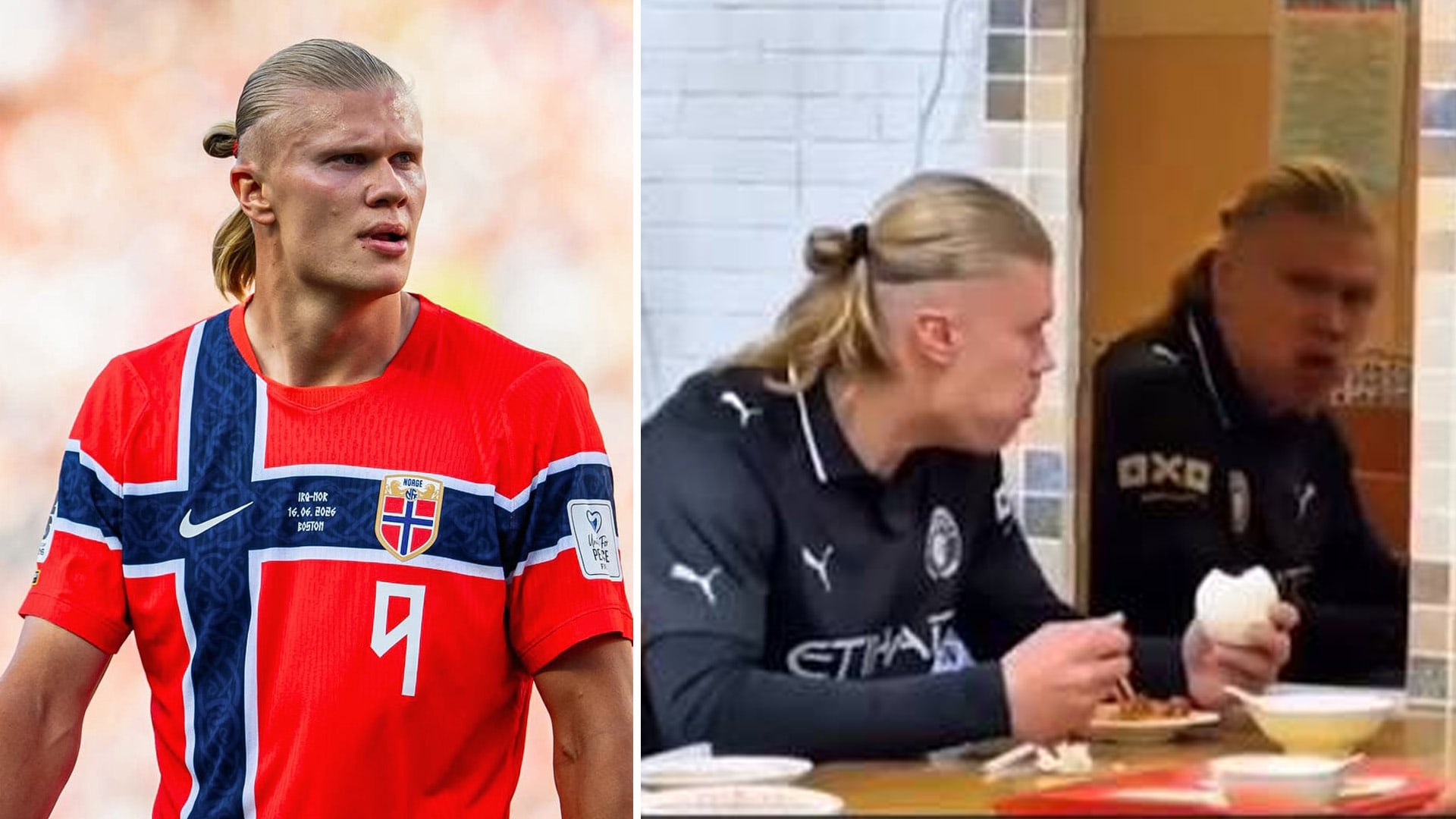
Erling Haaland AI World Cup Deepfake Problem
Erling Haaland shows up everywhere online, even at a World Cup he was not playing in. That is the problem. The Erling Haaland AI World Cup deepfake problem is not really about one player or one tournament. It is about how fast synthetic media can slip into sports coverage, fan feeds, and brand campaigns before anyone has time to check it. A fake image or clip can feel harmless for a minute, then it starts carrying its own version of reality. And once it spreads, the correction is always late. Why does that matter now? Because the tools are cheap, the outputs look better, and the incentives to share first are still stronger than the habit of verifying.
What stands out about the Erling Haaland AI World Cup deepfake problem
- AI can place a star player anywhere, even in a match he never attended.
- Speed beats accuracy on social platforms, so fake visuals travel fast.
- Sports fandom makes synthetic content feel plausible because people expect drama and highlights.
- Brands and publishers risk losing trust if they repost unverified AI media.
- Verification has become part of coverage, not an optional extra.
Why this hit a nerve
Sports is built on proof. Scoreboards, broadcasts, player stats, and official photos all reinforce what happened. AI-generated images push against that structure. They can show a player in a jersey he never wore, in a stadium he never entered, during a moment that never existed.
That is why this story matters beyond one viral post. A fake Haaland image is not just a bad meme. It is a test of how much visual evidence still means when anyone can generate a polished lie in seconds.
The real threat is not that people will believe every fake. It is that they will stop trusting any image until it has already done damage.
How AI changes sports media
Sports media used to have a simple filter. If a photo came from a wire service, a team account, or a known outlet, it had a baseline of trust. AI weakens that filter. The same feed now contains real match photos, fan edits, and synthetic clips that look close enough to pass at a glance.
Look at the workflow. A social editor sees a striking image. A creator reposts it for engagement. A publisher embeds it because the audience is reacting. By the time someone checks the source, the image has already shaped the conversation. That is how misinformation works now. It is less like a flood and more like bad plumbing. Small leak, ugly ceiling.
Why Haaland is such an easy target
Haaland has the right ingredients for synthetic abuse. He is globally recognizable, visually distinctive, and part of a sport with nonstop highlight culture. Put him in any scene and the result feels believable to a casual viewer. That is exactly what makes him useful for AI content farms and prank accounts.
And there is another factor. Fans expect novelty. They want surprise lineups, transfer rumors, training footage, and behind-the-scenes moments. Fake media slots right into that appetite.
What publishers and brands should do with AI sports content
If you work in sports media, the answer is not to ban all AI visuals. That would be unrealistic. The real job is to build a harder verification habit. Treat synthetic media like a live grenade with the pin half out. Handle it carefully.
- Check the source. Ask who posted first and whether the account has a track record.
- Inspect the details. Look for broken hands, warped logos, odd shadows, or text that does not match the scene.
- Match against known footage. A real match moment should line up with venue, kit, weather, and timing.
- Label synthetic content clearly. If you use it, say it is AI-generated. Do not bury the label.
- Slow the repost cycle. A 20-second delay is cheap. A trust problem is not.
That last point matters most. If your newsroom or brand account treats every trending clip like a must-post item, you are not doing editorial work. You are doing triage.
How fans can spot the telltale signs
You do not need forensic software to catch every fake. You need a better habit. Start with the basics. Does the lighting match across the image? Are fingers, badges, or face proportions slightly off? Does the background crowd look repetitive or oddly blurred in one area?
Also ask a blunt question. Does this make sense with the real-world schedule? If Haaland was in one city for club duties, a sudden appearance at an unrelated event should raise a flag. AI content often relies on audience excitement to skip that question (and too many feeds reward skipping it).
Think of it like checking the ingredients before you eat a dish at a new restaurant. The plate may look good. That does not mean the kitchen is clean.
What this says about the next phase of AI and sports
The Erling Haaland AI World Cup deepfake problem is a preview, not an outlier. The next wave will not only target superstars. It will hit refs, coaches, pundits, fans, and local journalists. Any public figure with a recognizable face is now fair game for synthetic manipulation.
That does not mean the internet is hopeless. It means verification has to become ordinary. Platforms need better labeling. Newsrooms need tighter checks. Fans need to pause before reposting. And brands need to stop treating AI visuals as harmless filler.
Here is the question that should stay with every editor and every social manager: if a fake can look this real today, what happens when the next one is better?
Answer that before you share the clip.