AI Writing in Literary Prizes
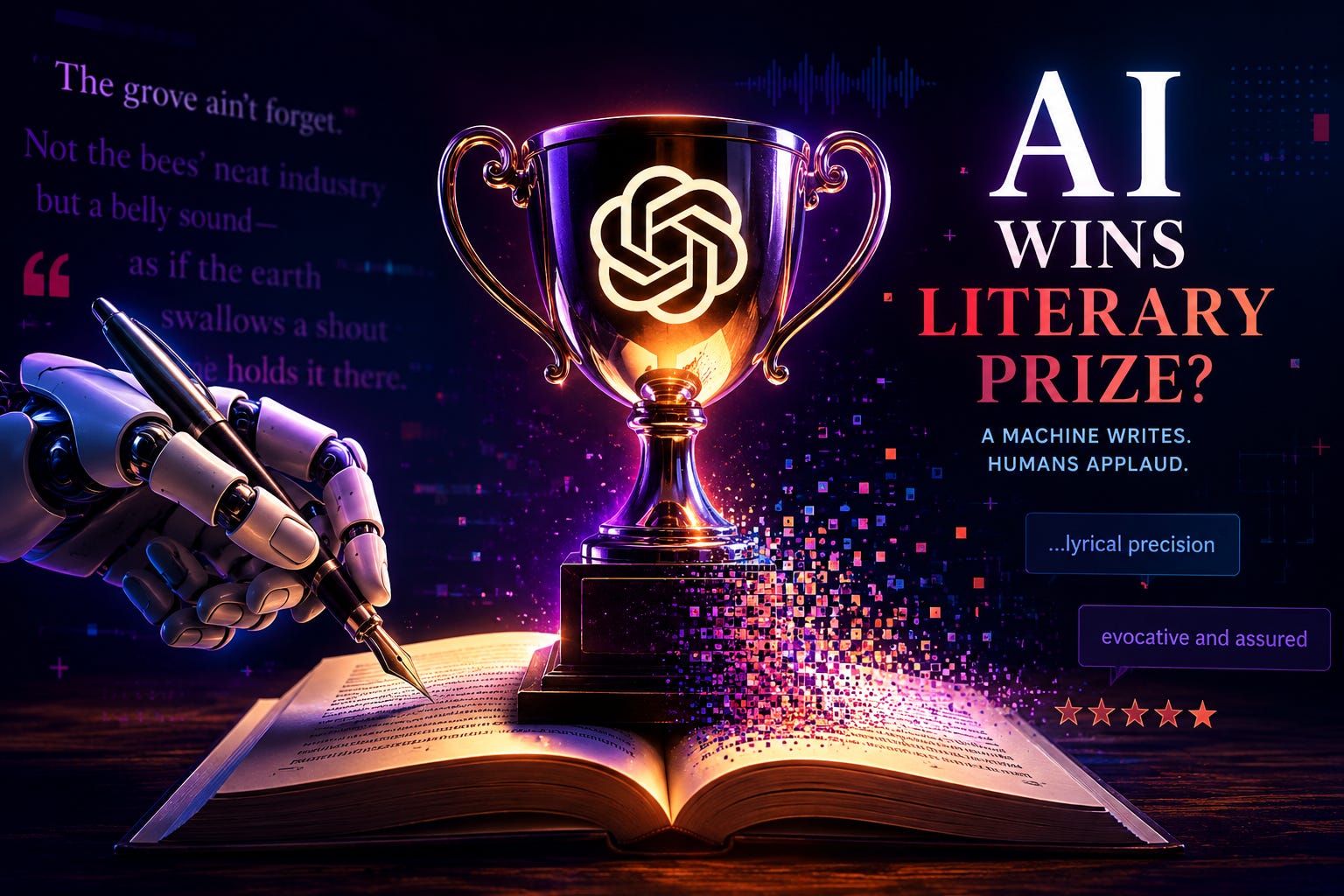
Writers are running into a new problem. AI writing in literary prizes is no longer a fringe issue, and judges, editors, and applicants now have to decide what counts as acceptable help. That matters right now because submission rules were built for human drafts, not text shaped by chatbots, editing tools, or prompt-driven systems. A recent dispute covered by The Verge put that tension in plain view, with questions around whether AI-assisted work belonged in spaces tied to literary merit and original voice. If you submit fiction, essays, or poetry, you need more than a vague sense of the debate. You need to know how this could affect eligibility, disclosure, and how your work is read. And yes, the line between editing help and authorship is getting harder to defend.
What matters most
- Prize organizers are being pushed to define what AI assistance means in plain language.
- Writers face risk if they assume grammar fixes and generative drafting will be treated the same way.
- Judges may care less about the tool itself and more about authorship, disclosure, and intent.
- Public trust is now part of the equation, especially for awards built on literary reputation.
Why AI writing in literary prizes became a flashpoint
The Verge report points to a cultural split. Some people see AI as a routine writing aid, while others see it as a direct challenge to the idea of literary authorship. Those are very different positions, and prize rules have not kept up.
Look, literary awards are not spellcheck competitions. They exist to reward judgment, style, structure, and a point of view that feels earned. If a system generates phrases, scenes, or arguments that shape the final piece, judges are right to ask a blunt question: whose work is this?
Literary prizes are now being forced to define authorship with more precision than many publishers ever have.
That pressure is only going to grow. Tools from OpenAI, Anthropic, Google, and Microsoft are already folded into common writing workflows, sometimes openly and sometimes in the background. A contest rule that says “original work only” sounds solid until someone asks whether AI-generated sentence rewrites count as original.
What counts as AI assistance, really?
This is where the debate usually gets sloppy. People lump every tool together, which makes bad policy. There is a real difference between proofreading support and machine-generated prose.
Low-risk assistance
These uses are easier for prize bodies to accept:
- Spellcheck and grammar correction
- Formatting help
- Transcription
- Accessibility tools such as dictation
High-risk assistance
These uses are far more likely to trigger concern or disqualification:
- Generating story ideas that become the plot
- Writing paragraphs, scenes, or dialogue
- Rewriting passages in a distinct style
- Producing alternate drafts for the author to stitch together
Honestly, the middle zone is the real mess. If a chatbot suggests a better ending, or rewrites a weak paragraph that you then tweak, are you still the sole author? That is the kind of edge case that turns a clean rule into an argument.
One sentence can change everything.
How prize organizers should respond
The smart move is not a blanket panic or a shrug. It is a rule set that separates assistance from authorship, then tells entrants what they must disclose. Think of it like anti-doping rules in sports. Not every substance does the same thing, and pretending otherwise only creates loopholes.
- Define banned uses clearly. Say whether AI-generated text, ideas, or stylistic rewrites are allowed.
- Require disclosure. If entrants used generative tools in any material way, make them say so.
- Set a threshold. Editing support may be fine. Draft generation may not.
- Explain enforcement. State how organizers will review concerns and what evidence matters.
- Publish the rationale. Writers are more likely to respect strict rules when the reasoning is clear.
But rules alone will not settle the cultural question. Some editors and judges simply believe literary recognition should stay tied to human-made language, even if that stance becomes harder to police over time.
What writers should do before entering any contest
If you are submitting work, assume ambiguity is dangerous. Read the rules closely, then read what is missing. If the policy says nothing about AI, that does not mean anything goes.
Here is the practical checklist I would use:
- Save drafts and revision history.
- Document any AI tool used, including what it did.
- Avoid generated prose if the contest focuses on originality or literary excellence.
- Ask the organizer for written clarification if the rules are vague.
- Disclose use when in doubt, especially if the tool affected structure or wording.
That may sound cautious. Good. Literary prizes run on trust, and trust is hard to rebuild after a public dispute.
The deeper issue behind AI writing in literary prizes
This is not only about compliance. It is about what literary culture wants to reward. A novel, short story, or essay is not just a clean output. It carries choices, struggle, memory, rhythm, and taste. Those things matter because readers believe they came from a person.
And that belief is the whole engine.
If prizes start honoring work substantially generated by machines, they are not simply updating a rulebook. They are changing the meaning of authorship in public. Maybe some institutions will accept that shift. Others will reject it outright. Either way, they should stop pretending the old language still covers the new reality.
What happens next
Expect more contests, magazines, and residencies to publish AI policies over the next year. Some will ban generative text outright. Some will allow limited use with disclosure. A few will stay vague until a controversy forces their hand, which is usually how institutions move.
My view is simple. Literary prizes should protect human authorship unless they explicitly create a separate lane for AI-assisted work. That is the cleanest standard, and it respects both readers and writers. If a prize cannot explain where it draws the line, why should anyone trust the result?