Allbirds AI Biz Plan: No Employees, Big Questions
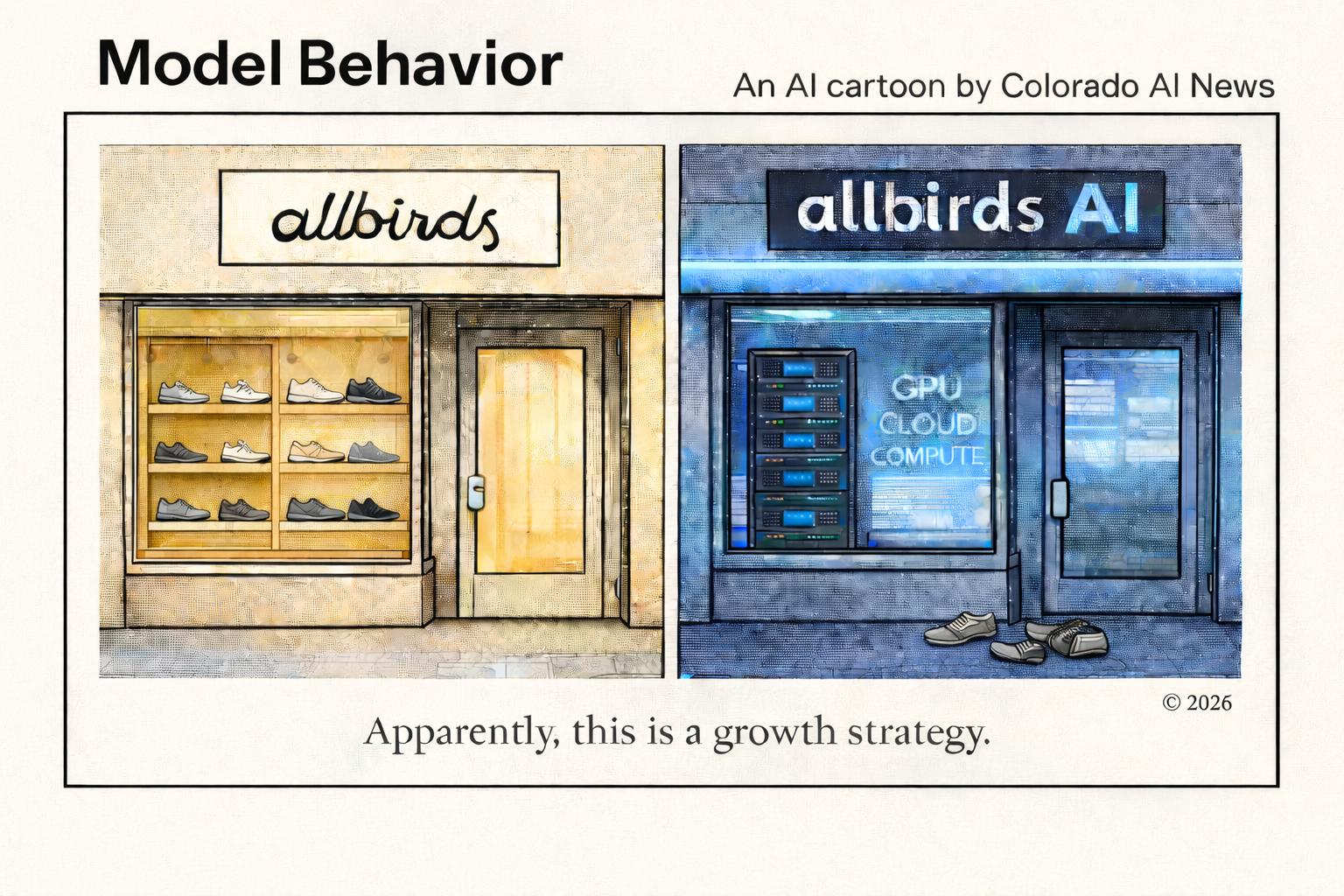
Founders love lean teams. Investors love clean margins. But the Allbirds AI biz plan goes past lean and lands in strange territory, because the company’s new AI venture reportedly has a plan and no employees. That raises a real question for anyone tracking startup strategy: how far can you strip down a business before you strip out the business itself?
This matters now because AI is making it easier to automate work that once needed whole teams. It also makes it easier for executives to sell a vision that sounds efficient on paper and brittle in practice. Look, a zero-headcount operation may sound elegant. But software still needs judgment, product sense, and someone to own mistakes when the model drifts. Can a company built around AI really run without people, or does that just push the labor somewhere else?
What stands out in the Allbirds AI biz plan
- The pitch centers on speed and low overhead.
- The model appears designed to avoid traditional hiring from day one.
- That can improve margins, but it can also weaken oversight.
- AI tools can automate tasks. They cannot replace accountability.
- The real test is whether the plan creates durable value or just a tidy slide deck.
Why a no-employees model grabs attention
There is a reason this story got attention fast. A business with no employees sounds like a stress test for the current AI hype cycle. If a venture can operate with software, contractors, and a thin layer of management, then the old startup playbook changes fast.
But here’s the thing. Startups have always hidden labor somewhere. It might sit in vendors, agencies, outsourced operations, or a founder doing three jobs at once. The headline can say “no employees,” yet the work still exists. It just moves off the balance sheet.
Efficiency is only impressive if it survives contact with reality.
How the Allbirds AI biz plan fits the larger market
Companies across retail, media, and software are trying to shrink fixed costs. AI makes that easier by handling support, drafting copy, analyzing data, and routing routine decisions. That is useful. Nobody wants to pay full-time salaries for work a model can do in seconds.
Still, AI systems are more like a sous-chef than a head chef. They can prep ingredients, repeat steps, and keep the kitchen moving. But someone still has to taste the sauce, call the timing, and decide when the whole thing is off. That role matters more, not less, when the system is automated.
What this means for founders and operators
If you run a startup, the lesson is not “hire nobody.” That would be lazy and risky. The better lesson is to separate repeatable work from judgment work.
- Automate the tasks that are predictable and measurable.
- Keep humans on decisions that affect brand, safety, pricing, and trust.
- Track where AI saves time and where it creates review work.
- Measure error rates, not just output volume.
- Design a fallback process for when the model fails.
That last point is non-negotiable. A small team can survive a bad week. A zero-team system can turn a small error into a public mess.
Where the Allbirds AI biz plan could break down
The biggest risk is not technical. It is organizational. AI can generate work faster than a tiny team can inspect it, and that creates bottlenecks in places founders often ignore. Legal review. Customer escalation. Vendor management. Product changes. These are the seams where a lean plan starts to fray.
There is also a trust issue. If customers or partners think no one is really steering the ship, confidence drops. And once confidence drops, every efficiency gain gets harder to defend. That is why the smartest operators treat AI as force multiplication, not ghost staffing.
What to watch next in the Allbirds AI biz plan
The big test is simple. Does the venture show durable performance, or does it depend on a few people quietly doing the work behind the scenes?
Watch for three signals. First, whether the company can ship consistently. Second, whether customer issues get resolved quickly. Third, whether the economics still look good after real-world friction gets added in. That is the scoreboard that matters.
All of this points to a larger shift in startup thinking. The next wave of AI companies may not ask how many people they can hire. They may ask how much responsibility they can safely automate. That sounds efficient. But do you really want to build a company that is clever on paper and hollow in practice?
Sources and angle
The reported setup around Allbirds is a useful case study, not a blueprint. It shows how far founders are willing to push the promise of AI, and how quickly that promise runs into the need for human judgment. The market will decide whether this is discipline or delusion.