Amazon AI Chips Win Over Uber: What Matters for Cloud AI Buyers
Cloud AI budgets are swelling, and you feel pressure to squeeze more model training out of every dollar. Uber just shifted a big slice of its AI stack onto Amazon AI chips, putting Trainium and Inferentia in the spotlight for anyone benchmarking accelerators. The question is simple: do these alternatives let you spend less without slowing product launches? If you are evaluating GPUs and custom silicon, this move matters because it shows a major AI user betting on different silicon economics right now.
Why This Shift Hits Your Roadmap
- Uber’s adoption suggests Amazon AI chips can meet production inference and training needs.
- Lower cost per token trained may free budget for model refreshes.
- Tighter integration with AWS services could shrink ops overhead.
- Diversifying beyond GPUs can ease supply crunch risk.
One clear line.
How Amazon AI Chips Change the Cost Math
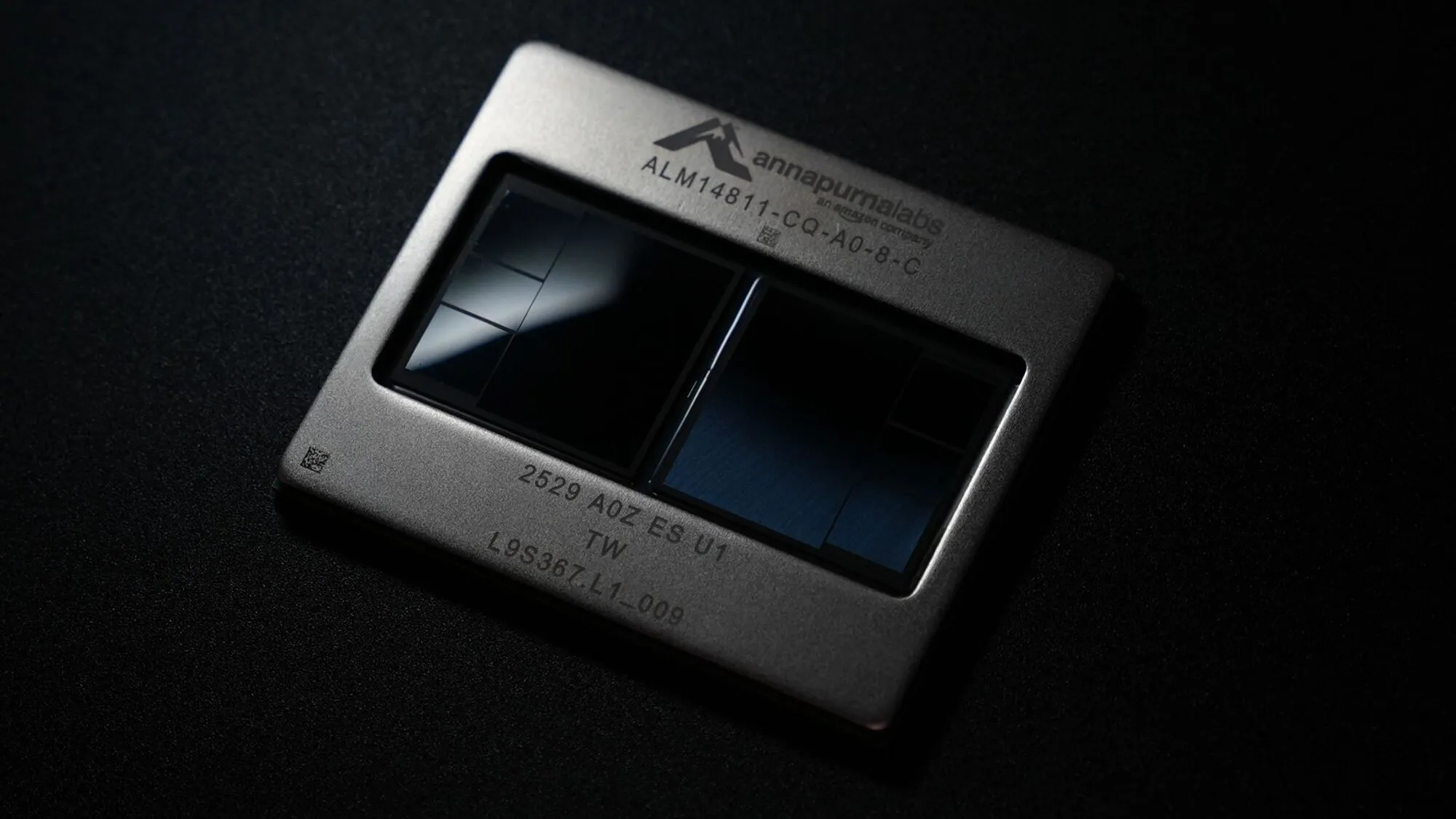
Amazon positions Trainium for training and Inferentia for inference, with claims of lower price per performance than mainstream GPUs. Here is the thing: cost gains only materialize if your workloads fit the chips’ strengths. A recommender system with stable models may see quick wins, while a research team cycling through architectures could feel constrained.
Checklist for CFOs and VPs of Eng
- Model fit: Confirm your frameworks run efficiently on Trainium and Inferentia without heavy rewrites.
- Throughput targets: Benchmark tokens per second against current GPU clusters.
- Capacity planning: Run TCO models over 18 months, not just month one.
- Talent load: Assess how much engineering time you will burn on kernel tuning.
“Cost savings only count when you hit your launch dates.”
Performance Benchmarks You Should Demand
Ask AWS for apples-to-apples runs on your own data. Do not rely on glossy charts. And insist on profiling tools that show kernel efficiency, not just end-to-end latency. Without that visibility, you could end up like a team swapping bats mid-season and blaming the bat when the swing is off. Are you comfortable explaining that to your product lead?
Operational Impacts of Moving to Amazon AI Chips
Integration with AWS services like SageMaker and EFA networking trims setup time, but you still need guardrails. Plan for rollout in phases. Start with inference for a single model, then extend to training once you validate stability (and you will appreciate that breathing room). Treat observability as a non-negotiable: GPU-centric dashboards may miss silicon-specific hotspots.
Risks to Watch
- Tooling gaps if your stack leans on CUDA-only extensions.
- Vendor lock-in that makes future multi-cloud plans harder.
- Latency variance under bursty loads.
- Talent ramp if your team has limited experience beyond GPUs.
MainKeyword: Amazon AI Chips in Your Architecture Plans
Fold Amazon AI chips into a dual-path architecture. Keep a GPU track for experimental work and a Trainium/Inferentia track for stable services. This split looks like a well-coached basketball team rotating starters and bench players based on matchups. You protect delivery while testing cost savings.
Negotiation and Procurement Tips
Push AWS for committed use discounts tied to performance SLAs. Secure joint engineering support during migration. Lock in exit clauses that let you revert workloads if promised gains miss target. Honestly, if a vendor hesitates on that, you have your answer.
Signals from Uber That Matter
Uber runs latency-sensitive matching and routing models at scale, so its move signals confidence in Inferentia for inference. Watch whether they expand Trainium use for training; that will tell you if the chips hold up under model iteration speed. Track any public benchmarks or talks they share at re:Invent, because those numbers will carry weight across the industry.
What to Watch Next
Expect AWS to push deeper integrations and more developer tools to smooth migration from GPUs. Your next step: pick one production model and run a controlled bake-off on Trainium or Inferentia with real traffic. The window to lock better economics is open, but it will not stay that way.