Elon Musk xAI IPO Talk and What It Means
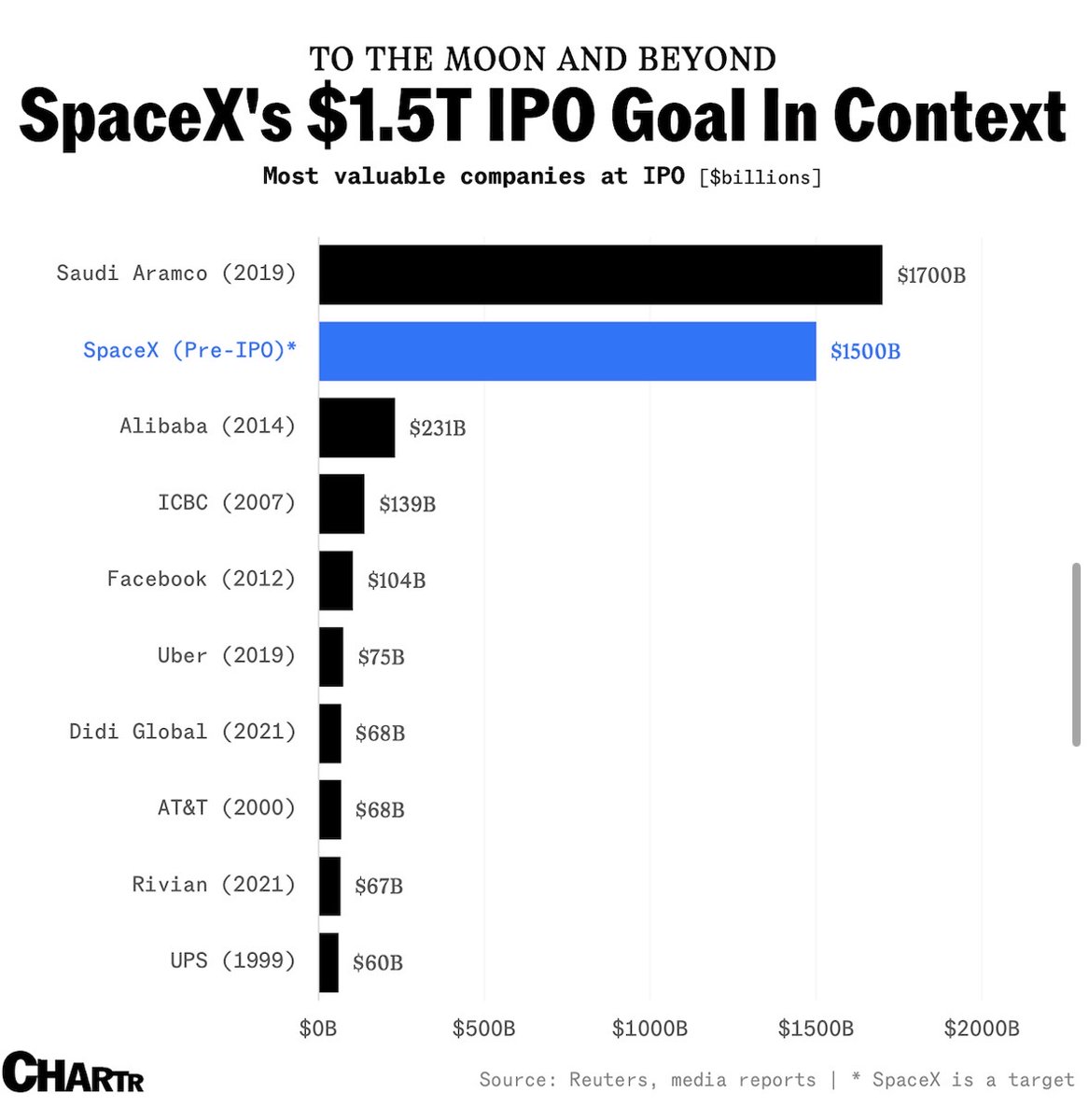
If you are trying to make sense of the latest Elon Musk headlines, the xAI IPO chatter is a good place to start. The hook is loud. A reported $1.75 trillion figure grabs attention fast, and that is exactly the problem. Big numbers can blur the real questions investors, founders, and AI watchers should ask right now. Is this about actual business fundamentals, or is it another case of market hype outrunning the facts?
Tech coverage around Musk often turns into theater. But your job, whether you invest, build, or just follow the sector, is to separate signal from noise. That means looking at xAI, Tesla, X, and the wider AI market as connected pieces. Look, the headline matters. The structure behind it matters more.
What stands out
- xAI IPO talk is getting attention because the valuation story is massive, not because the path is clear.
- Musk’s companies often share brand power, talent gravity, and public attention, which can distort normal valuation logic.
- AI investors should focus on revenue model, compute access, product adoption, and governance before they focus on spectacle.
- The wider market still rewards AI narratives aggressively, but that does not make every headline investable.
Why the xAI IPO story is everywhere
The TechCrunch podcast angle says a lot about the moment. Musk remains one of the few people who can move multiple sectors with a comment, a fundraising rumor, or a product tease. Add artificial intelligence to that mix and you get a media cycle that feeds itself.
Why does this keep happening? Because AI is still priced like a future monopoly race. Investors want the next OpenAI, the next Nvidia, the next platform winner. xAI gets pulled into that frame whether it has earned the comparison yet or not.
Big valuation talk is not proof of a strong business. It is proof that attention is working.
That distinction is non-negotiable.
What a xAI IPO would actually need to prove
An xAI IPO is easy to discuss in theory. In practice, public markets are less forgiving than private hype cycles, even in hot sectors. If xAI ever moved toward an offering, several issues would matter far more than a splashy headline.
1. A clear product story
xAI needs more than a famous founder and a chatbot. It would need to show where Grok fits in the market, who pays for it, and why customers stick around. Consumer curiosity is one thing. Durable software demand is another.
2. Access to compute and infrastructure
AI economics are brutal. Training and inference cost real money, and supply constraints around chips, data centers, and power are still shaping the field. If you cannot secure compute at scale, your margins get squeezed fast (and public investors notice).
3. Revenue quality
Not all AI revenue is equal. Subscription revenue, enterprise contracts, API usage, and ad-linked models each carry different risk. A business with recurring enterprise spend usually gets treated very differently from one running on consumer buzz.
4. Governance questions
This is where things get prickly. Musk’s empire spans Tesla, SpaceX, X, Neuralink, and xAI. That creates obvious questions about allocation of talent, data, capital, and management focus. Public investors tend to ask boring questions for a reason. Boring questions protect money.
The $1.75 trillion headline needs context
That number is the kind of figure that can break people’s judgment. It sounds seismic, so people start reasoning backward from the headline instead of forward from the business. Honestly, that is where coverage often goes sideways.
Put it this way. Valuing an AI company without grounding it in revenue potential, infrastructure costs, competitive pressure, and execution risk is like judging a skyscraper from the lobby art. It may look expensive and polished, but the load-bearing structure is the real story.
And the AI market has a habit of pricing fantasy early. We have seen versions of this before in tech. The difference now is that some AI leaders do have real demand, real enterprise budgets, and real strategic value. So the bubble talk is too simple, but blind enthusiasm is worse.
How Elon Musk changes the xAI IPO equation
Musk brings three assets that few founders can match.
- Attention. He can dominate the news cycle without paying for it.
- Capital magnetism. He attracts backers willing to make large, fast bets.
- Narrative power. He can position a company as part of a much larger future story.
But each asset has a shadow side. Attention raises volatility. Capital can outrun discipline. Narrative can mask messy fundamentals for only so long. Public markets eventually want evidence.
Here is the thing. Musk’s name can lower the friction of fundraising, hiring, and distribution. It cannot repeal the math of AI infrastructure or the patience limits of investors.
What smart readers should watch next in the xAI IPO debate
If you want the practical checklist, start here.
- Track whether xAI expands paid product usage beyond headline moments.
- Watch for enterprise traction, not just consumer chatter.
- Look at chip partnerships, data center buildout, and cloud relationships.
- Pay attention to overlap between X and xAI, especially around data, product bundling, and governance.
- Compare xAI with OpenAI, Anthropic, Google DeepMind, and Meta on execution, not celebrity.
And ask the simple question that cuts through almost every AI funding story. Who pays, how much, and why do they stay?
What this says about the AI market right now
The bigger lesson is not only about Musk. It is about the state of AI investing. The market still hands out premium valuations for plausible dominance, especially when a founder can sell a future that feels close enough to touch. That creates opportunity, yes. It also creates distorted incentives.
Founders see that noise gets rewarded. Media outlets chase the flashiest framing. Investors worry about missing the next giant and sometimes suspend normal skepticism. But discipline matters most when the room is loud.
As covered by TechCrunch’s podcast discussion, the real value of this story is not the number itself. It is the reminder that AI has entered a phase where spectacle, platform politics, and capital markets are tightly fused. That makes for great headlines. It also makes careful analysis harder.
Where to keep your eyes
If xAI becomes a serious IPO candidate, the case will not rest on a giant number or a famous founder. It will rest on product-market fit, repeatable revenue, compute strategy, and clean enough governance to satisfy public investors. That is the unglamorous test.
So do not ask whether the headline sounds huge. Ask whether the business underneath it can carry the weight. The next phase of AI will reward companies that can do more than command attention. Which ones can actually stand up to daylight?