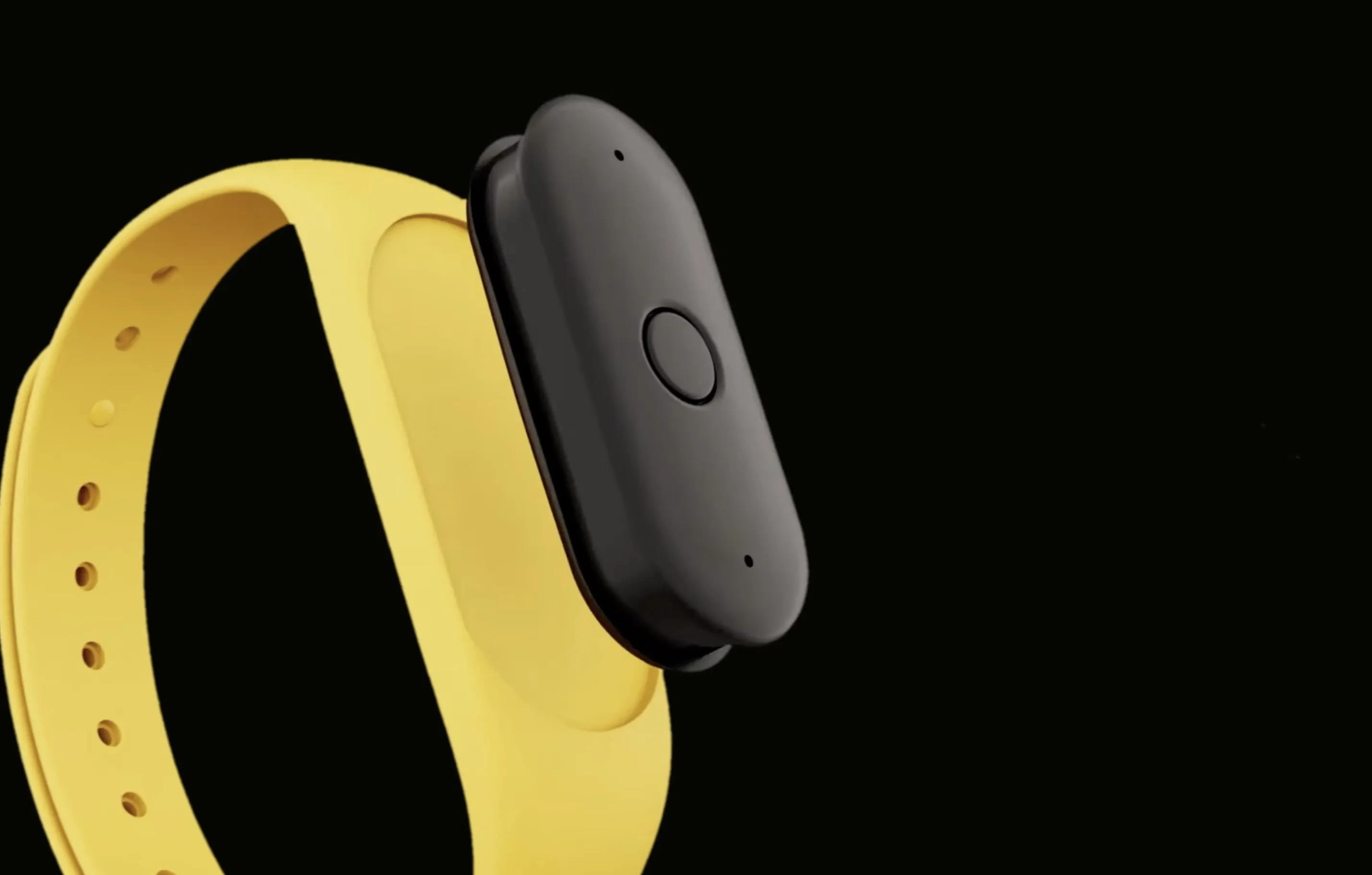
Amazon Bee wearable raises useful questions
You have probably seen the pitch before. A tiny AI device sits on your wrist or lapel, listens all day, and turns your messy life into neat reminders, summaries, and prompts. The Amazon Bee wearable pushes that idea into a bigger spotlight, and that matters now because major tech companies are still hunting for the next device after the smartphone. But here is the problem. The more useful these assistants become, the more they need to hear, store, and interpret. That trade-off is no longer abstract. It is personal, social, and a little uncomfortable. TechCrunch’s hands-on take captured that tension well. The device sounds handy in spots, yet it also creates the kind of low-grade privacy anxiety that smart people should not brush aside.
What stands out right away
- Amazon Bee wearable bets on constant ambient listening as the core feature, which is helpful for recall but risky for trust.
- The value pitch is simple. Capture conversations and tasks without needing to open your phone.
- The weak point is just as simple. Other people around you did not sign up to be part of your AI memory system.
- Wearables like this need a clear everyday win, or they end up as expensive curiosities.
What is the Amazon Bee wearable actually trying to do?
At its core, Bee appears to be an always-on AI companion. It listens, pulls out useful details, and turns spoken moments into action items, reminders, or searchable memory. Think meeting notes, grocery reminders, or “what was that restaurant my friend mentioned?”
That sounds clever because it removes friction. You do not have to tap, type, or remember to log things yourself. And yes, that is the appeal. The best interface is often the one that gets out of your way.
But ambient AI is like open-kitchen cooking. It feels smooth only if you trust what is happening behind the counter.
Why the Amazon Bee wearable feels handy and creepy at the same time
This is the part many product demos glide past. A device that hears more can help more. It can also overreach more, misunderstand more, and collect far more context than most people realize in the moment.
TechCrunch framed that split honestly. The intrigue comes from convenience. The unease comes from the social reality of wearing a live microphone wrapped in an AI promise. Who gets recorded? What gets inferred? How long does the data stick around? Those are not edge-case questions. They are the main event.
One sentence matters more than any spec sheet.
Ambient AI wins or loses on trust long before it wins on features.
Look, people already accept smartphones that capture location, voice, photos, and purchase history. But smartphones still involve visible intent. You pick them up. You press record. You open an app. A wearable listener changes the social contract because the capture feels passive, even if the software has limits (and companies always talk about limits).
Does the Amazon Bee wearable solve a real problem?
Sometimes, yes. Memory is messy. People forget follow-ups, names, errands, and details from fast-moving conversations. If Bee can produce accurate summaries and timely prompts, that is real utility. Busy parents, sales teams, founders, and people with chaotic schedules may see the appeal fast.
Still, a good demo is not the same as a strong product category. Humane’s AI Pin stumbled. Rabbit’s R1 had a loud launch and a rough landing. Meta’s Ray-Ban smart glasses have done better because they fit into an existing behavior and form factor. That difference matters.
So ask the blunt question. Is this easier than pulling out your phone and using voice notes, calendar apps, or ChatGPT? If the answer is only “sometimes,” mass adoption gets shaky.
Where Bee could earn its place
- Meeting recall: Fast summaries, next steps, and searchable discussion points.
- Personal task capture: Turning casual spoken reminders into to-dos without manual entry.
- Memory support: Helping users retrieve names, recommendations, and details from prior conversations.
- Accessibility: Supporting users who struggle with typing, note-taking, or memory load.
Where it could fall flat
- Battery life or hardware comfort may limit all-day use.
- Speech recognition errors can poison the entire experience.
- Privacy friction may make people avoid wearing it in shared spaces.
- Clear phone-based alternatives already exist for many tasks.
Privacy is not a side issue with the Amazon Bee wearable
It is the product story. And companies building these devices should stop treating privacy as a small print matter.
Amazon already carries heavy baggage here because consumers know how much data large platforms collect across shopping, voice assistants, cloud infrastructure, and ads. That does not make Bee doomed. It does mean Amazon starts with a trust tax.
For a device like this, the non-negotiable questions are practical:
- Is audio stored, transcribed, or both?
- What processing happens on-device versus in the cloud?
- Can users delete data easily and permanently?
- What signals tell bystanders they may be captured?
- Are AI summaries used to train models?
If those answers are fuzzy, adoption stalls outside the early-adopter crowd. Honestly, that should be expected. People do not need a law degree to decide whether a gadget feels invasive.
What Amazon must prove next
The company does not need to prove Bee is futuristic. Plenty of startups have already done that part. It needs to prove Bee is reliable, socially acceptable, and worth the privacy bargain.
A few things would help:
- Visible controls: Hardware mute, clear listening indicators, and simple recording status cues.
- Tight data settings: Short retention windows by default, local processing where possible, and easy exports or deletion.
- A killer use case: One obvious reason to wear it every day, not ten vague promises.
- Strong bystander design: Features that respect people around the user, not just the user.
That last point gets too little attention. AI wearables are not private tools like note apps or email clients. They operate in shared human spaces. Offices. Homes. Cafes. Schools. That changes the standard.
The bigger market signal behind the Amazon Bee wearable
Bee is part of a broader bet that AI needs new hardware. Tech companies want devices built around listening, context, and real-time assistance rather than touchscreens and app grids. The idea makes sense on paper. AI works best when it sees or hears enough context to be useful.
But there is a catch. More context means more surveillance risk. More convenience means more dependence on cloud systems. More “help” means more chances for false summaries and bad assumptions.
I have covered enough gadget cycles to know this pattern. The industry loves to confuse technical possibility with daily necessity. Those are not the same thing.
And that is why Bee is worth watching. It tests whether consumers actually want an assistant that lives this close to their conversations, or whether they prefer AI to stay boxed inside apps they can open and close on command.
Where this likely goes from here
The smartest readers should stay skeptical without being dismissive. Ambient AI will keep improving. Speech models will get better. Device batteries will improve. Summaries will become more accurate. So the idea is not going away.
But better models do not erase the human factor. If wearing the Amazon Bee wearable makes the people around you uneasy, or makes you second-guess what was captured, the product hits a ceiling fast. A lot of hardware fails there, not in engineering but in social fit.
The next step is simple. Watch for whether Amazon explains the privacy mechanics with plain language and whether users can point to one habit the device genuinely improves. If that answer stays muddy, Bee may end up as another AI gadget that sounded smarter than it felt. And if Amazon does crack the trust problem, what other always-listening devices follow right behind?


