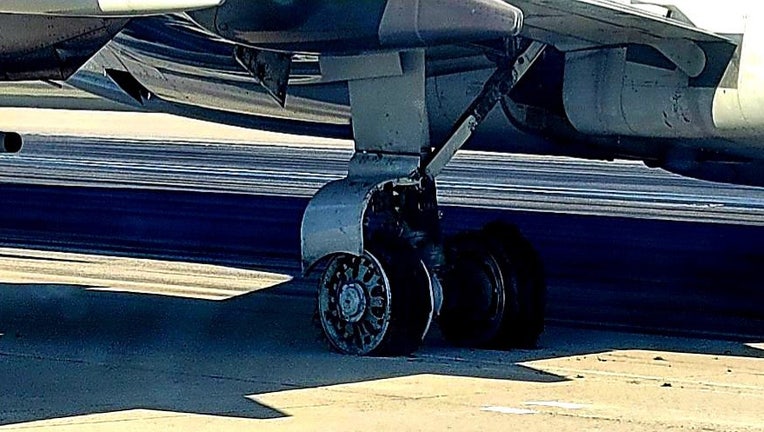
American Airlines Tire Blowouts: What Travelers Need to Know
Flight trouble on the ground can rattle people almost as much as a problem in the air. That is why the American Airlines tire blowouts story matters now, because even a taxi, landing, or takeoff issue can trigger delays, inspections, and a lot of unanswered questions for passengers. If you fly often, you want to know whether this points to a one-off equipment failure or a broader maintenance issue. The answer affects how you plan, what you ask at the airport, and how much trust you place in airline operations. And yes, it also affects the airline’s public reputation, which can shift fast after a visible incident.
What stands out right away
- Ground incidents can still disrupt a trip, even when the aircraft never leaves the runway.
- Inspectors and maintenance crews move fast after tire failures because wheel and brake systems are safety critical.
- Passengers should watch for schedule changes if a plane is taken out of service for inspection.
- Single events do not prove a pattern, but repeated failures will draw scrutiny.
Why tire failures matter more than they seem
A blown tire sounds routine until you look at what sits next to it. Wheels, brakes, landing gear, and hydraulic lines all live in a tight space, so one failure can create a bigger maintenance job than travelers expect. That is why airlines treat tire issues with real urgency. Not drama. Just procedure.
Think of it like a race car pit stop. If one tire goes bad, the crew does not shrug and send it back out. They check the whole corner of the car. Airlines do the same thing because safety margins are built on small checks that happen before the public ever notices.
American Airlines tire blowouts and the maintenance question
The key question around American Airlines tire blowouts is simple. Was this an isolated mechanical problem, or does it point to something that needs a deeper review? Maintenance teams track wear patterns, pressure, heat, runway conditions, and component age. One event can happen on any fleet. Two or three in a short span start to raise eyebrows.
“A tire failure is not just a tire failure. It is a signal to inspect everything around it.”
That is why airlines, the FAA, and airport crews care about the chain of events after the first report. They look at runway debris, hard landings, overloading, underinflation, and foreign object damage. Sometimes the cause is boring. Sometimes it is not. Either way, boring is better.
What should passengers do if their flight is affected?
You do not need to panic, but you do need to stay alert. A ground delay can snowball into a missed connection fast, especially at a hub airport where gates are tight and aircraft rotations are packed.
- Check the airline app first. It usually updates faster than gate announcements.
- Ask whether the aircraft is being swapped. A replacement plane can save the day, but not always.
- Watch your connection time. If it drops below the minimum, rebooking options may open up.
- Keep receipts for meals or hotels. If the airline offers compensation or you qualify for reimbursement, you will need proof.
Here is the thing. Most travelers lose time because they wait for a single announcement instead of acting early. If your flight looks shaky, start making backup plans before the boarding door closes.
Does this mean flying is less safe?
No. Not from one incident. Commercial aviation still runs on layers of inspection, reporting, and maintenance that make it one of the most controlled transport systems in use. The FAA, airlines, and manufacturers all track recurring issues closely, and tire problems are a known part of aircraft upkeep rather than some mysterious new threat.
But trust is fragile. One visible failure can make passengers ask hard questions, especially if it happens at a busy carrier with millions of annual travelers. That is fair. Airlines sell confidence as much as seats.
What to watch next in the American Airlines tire blowouts case
The next useful signals are not social media clips. They are maintenance findings, flight restoration timing, and whether the airline adjusts procedures or aircraft assignments. If American Airlines has to ground a specific jet type or inspect a batch of tires, that tells you the issue is broader than a bad day on one runway.
For now, the smartest move is to stay skeptical but calm. Watch the follow-up reports, compare them with FAA findings, and see whether this becomes a one-off repair story or something that forces a deeper operational review. Which one does the evidence support?
What travelers should remember
Ground incidents still matter. They can change your schedule, your connection, and your confidence in the airline. But they do not automatically mean a systemic safety problem. The real story is in the inspection results, the maintenance response, and whether similar events keep appearing.
If you are flying soon, keep your app open, your connection plan loose, and your expectations realistic. That is the practical play. The rest belongs to the mechanics and regulators.