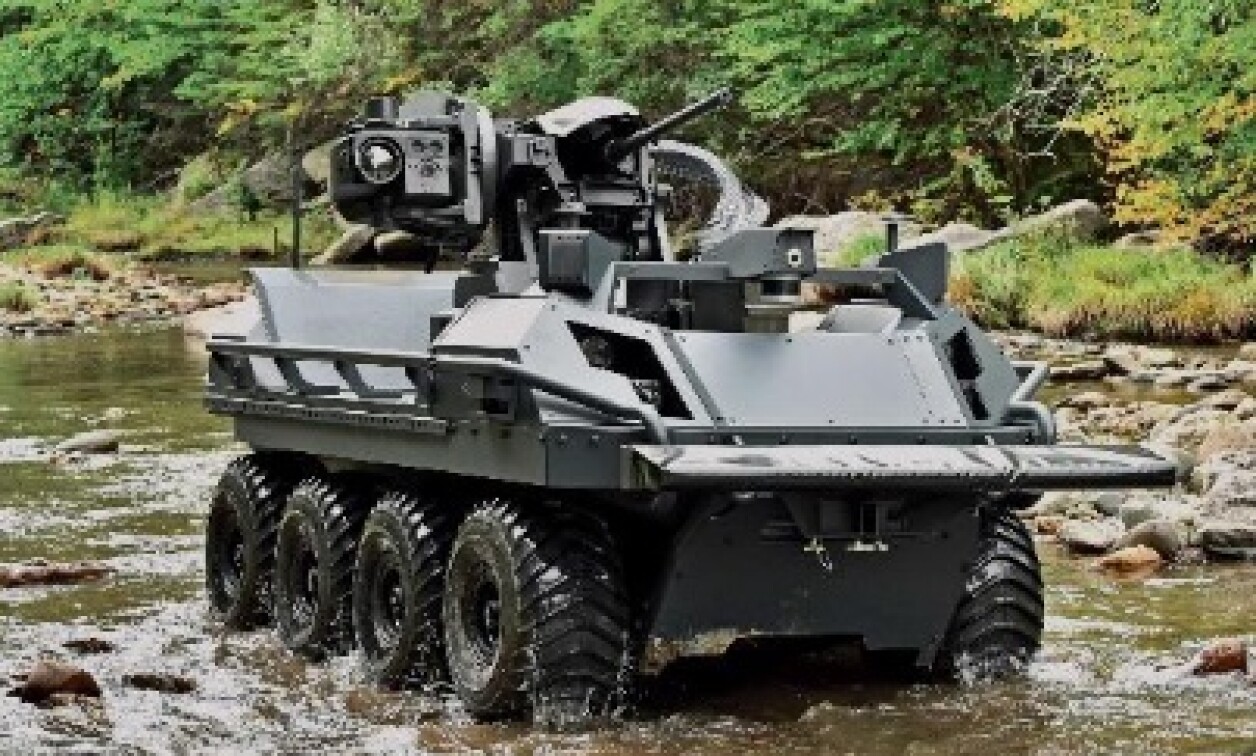
American Autonomous Ground Vehicles in Ukraine: What It Means
American autonomous ground vehicles are no longer a lab demo or a conference pitch. They are being tested in a war zone, and that changes the conversation fast. If you work in robotics, defense, or procurement, you should care because battlefield conditions strip away hype. Mud, jamming, broken roads, and human error expose what works and what fails. That is why this story matters now. It is not just about Ukraine. It is about whether autonomous systems can do useful work where the stakes are brutal and the environment never cooperates.
Look, the core question is simple. Can these machines carry out missions that are dangerous, repetitive, or logistically painful without turning into expensive dead weight? If the answer is yes, the effects reach far beyond one front line. If the answer is no, the market will feel that too. What survives combat testing tends to shape the next buying cycle.
What stands out about American autonomous ground vehicles
- They are being judged in real combat conditions, not in a controlled demo yard.
- Survivability matters as much as autonomy. A smart vehicle that cannot cope with damage, mud, or interference is not much use.
- Field use exposes the gap between autonomy and utility. Moving by itself is one thing. Moving useful cargo under pressure is another.
- Ukraine has become a proving ground for defense tech because feedback is fast and failures are visible.
Why Ukraine is the hardest test bed
Battlefield autonomy is nothing like a smooth warehouse floor. Signals get jammed. Routes change. GPS can fail. The ground itself can fight you. That is why Ukraine is such a hard test and why manufacturers cannot hide behind polished slides.
Autonomous ground vehicles have to deal with a messy set of tasks. Resupply runs. Casualty evacuation support. Reconnaissance. Equipment movement. Each one has different risks, and each one can break in a different way. A vehicle that looks impressive in a showcase may freeze up when a road disappears, a sensor gets blinded, or a comms link drops.
“The battlefield is a brutal product manager. It tells you quickly what your machine can really do.”
What American autonomous ground vehicles are actually for
These systems are not supposed to replace every soldier. That pitch is lazy. The smarter use case is narrower and more realistic. Reduce exposure. Cut repetitive driving. Move supplies where the enemy would love to ambush a human driver.
That is the part many civilian observers miss. A vehicle does not need perfect self-driving ability to be valuable. It needs to complete a specific mission often enough, with acceptable risk, and at a cost that makes sense. Think of it like a utility truck in a storm zone. It does not have to be elegant. It has to show up.
The missions that matter most
- Logistics support, especially short, dangerous routes.
- Reconnaissance, where a small vehicle can take risk instead of a person.
- Decoy or bait roles, where losing the machine is better than losing a crew.
- Last-mile delivery to units operating near the front.
What this means for the defense market
This is where the business side gets sharp. Combat use gives buyers something marketing never can, which is evidence. Not perfect evidence. Real evidence. And that can move contracts, especially if a system keeps operating after damage, software glitches, or rough handling.
But the flip side is just as serious. One ugly failure can chill a whole category. Why? Because defense buyers do not reward cleverness for its own sake. They buy reliability, repairability, and clear mission value. If a platform cannot be maintained in the field, it becomes a liability with a nice dashboard.
There is also the procurement timing issue. Battlefield validation can speed adoption, but it can also create a narrow band of winners. Companies that can ship rugged hardware, hardened software, and practical support will pull ahead. The rest may still have good ideas and no customer.
Where the hype runs into the wall
Autonomy fans love clean language. They talk about autonomy levels, sensor fusion, and software stacks. Useful terms. But war does not care about buzzwords. It cares about uptime, resilience, and whether the machine keeps moving when conditions get ugly.
Here is the thing. A lot of commercial autonomy depends on assumptions that collapse under fire. Stable mapping. Predictable road surfaces. Clean communications. Safe recovery if something goes wrong. Ukraine tests all of that at once. And that is why the results matter more than any showroom launch.
Are these systems a breakthrough, or just a narrower tool with good timing? Probably the second, at least for now. That is still a big deal.
What to watch next in American autonomous ground vehicles
Track three signals. First, how often these vehicles complete missions without human rescue. Second, whether they stay affordable enough to lose without drama. Third, whether soldiers trust them enough to use them repeatedly. Trust is not soft. It is operational.
If the machines can lower risk without creating new failure modes, buyers will notice fast. If they need constant babysitting, the field will expose that too. The next phase is not about flashy demos. It is about boring repetition under stress, which is where serious defense tech either earns its place or gets cut.
So the real question is not whether autonomous ground vehicles will matter. They already do. The question is which company can build one that survives contact with reality, and who is still selling a brochure.
What comes after the first combat tests
The next wave will be quieter and harder. More integration. More repair lessons. More attention to software updates, electromagnetic resilience, and human control handoffs. That is the work that turns a headline into a program.
And if you are watching the market, keep your eyes on the boring details. That is where the truth lives.