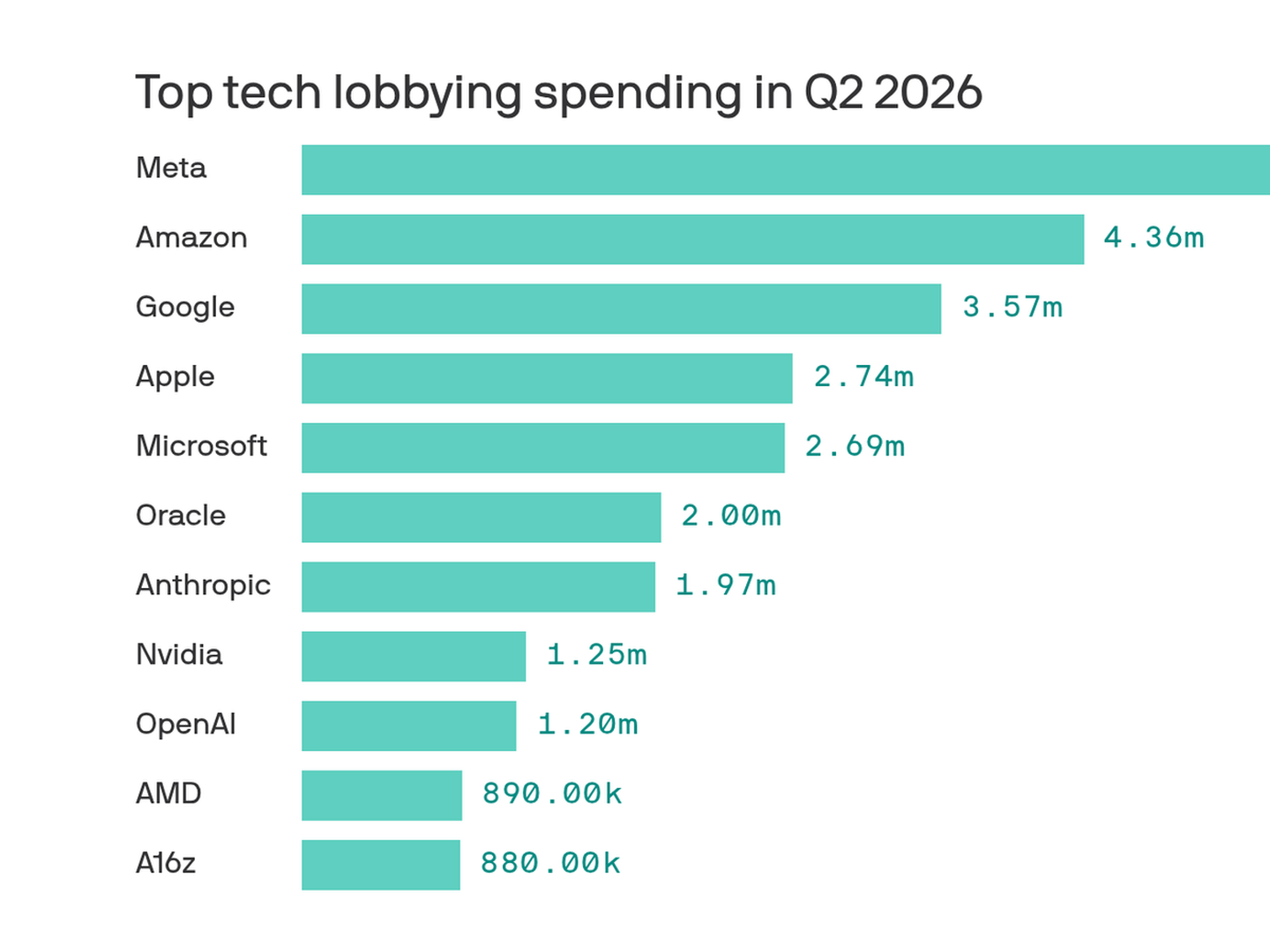
Anthropic’s Lobbying Push on AI Policy
AI policy is moving fast, and companies that build frontier models are no longer waiting on the sidelines. Anthropic is ramping up its lobbying spending as lawmakers push harder on safety, transparency, and who gets to set the rules for advanced AI. That matters because the next set of laws could shape model releases, reporting duties, and liability for years. If you work in AI, policy, or procurement, you are already feeling the pressure. The rules are getting more specific, and the cost of being unprepared is rising. Anthropic lobbying spending is part of that scramble. And it is a sign that the real fight is not only about better models. It is about who gets to define acceptable risk, and on what timeline.
What stands out about Anthropic lobbying spending
- Anthropic is spending more to influence AI policy debates. That usually means the company sees real risk in how new rules could land.
- The pressure is coming from both Washington and state capitals. AI governance is splitting across jurisdictions, which makes strategy harder.
- Safety is now a policy issue, not just a technical one. Model testing, disclosure, and guardrails are moving into law and regulation.
- Lobbying is now part of product strategy. For frontier AI firms, policy outcomes can affect release cadence, partnerships, and compliance costs.
Why Anthropic lobbying spending matters now
Anthropic has built a brand around safety and responsible deployment, so a stronger policy push fits its business position. But this is not just about reputation. It is about shaping the rules before they harden into mandates that smaller teams cannot absorb easily.
Here is the thing. AI policy is starting to look like building code. If the code changes after you have poured the foundation, you do not just repaint the walls. You may have to tear out whole systems and start over.
That is why lobbying matters so much in this market. Federal agencies, Congress, and state legislatures are all testing different approaches. One law may focus on model disclosures. Another may focus on safety evaluations or the use of frontier systems in sensitive settings. Which version wins?
Policy is becoming part of the product roadmap. For AI companies, the regulatory baseline can shape what gets built, shipped, and defended in public.
What AI policy fights are really about
The public debate often sounds abstract. It is not. The core issues are practical and immediate.
- Safety testing. Should developers prove models are safe before release, or only after problems appear?
- Disclosure. What should companies reveal about training data, model limits, and known failure modes?
- Liability. If an AI system causes harm, who pays, the vendor, the deployer, or both?
- State versus federal control. Can states add their own requirements, or should one national framework govern everything?
These questions are not academic. They affect enterprise contracts, procurement reviews, and public trust. They also shape competition. A large company can hire compliance teams. A smaller lab may not have that luxury.
How Anthropic lobbying spending could affect the market
More lobbying does not guarantee policy wins. But it does help a company get a seat at the table while the rules are still fluid. That can matter in subtle ways. Draft language changes. Reporting burdens shift. Deadlines move.
For buyers, the ripple effects show up in vendor questionnaires and legal reviews. For competitors, it can change the pace of model launches. For regulators, it raises a tougher question. Are they getting independent expertise, or polished advocacy dressed up as caution?
And yes, that distinction matters. A lot.
What you should watch next
- Federal bills that define frontier model duties or reporting requirements.
- State proposals that try to set their own safety standards.
- Industry coalitions forming around AI liability and transparency.
- How Anthropic and rivals frame safety in public comments and hearings.
If you follow AI policy, keep an eye on the lobbying numbers, but do not stop there. Read the bill text. Track the hearing records. Watch which ideas keep coming back. That is where the real strategy lives.
The bigger Anthropic lobbying spending story
Anthropic’s move says something larger about the AI sector. The policy fight is no longer a side quest. It is core business. Companies that ignore it will still face the rules, only later and with less influence.
That is why this moment feels seismic. The frontier model race is not only about who ships first. It is also about who can survive the legal aftermath. And if you think the debate will stay at the margins, ask yourself this: who do you want writing the guardrails for systems that can now touch hiring, healthcare, finance, and government work?
The answer will shape the next phase of AI, whether the industry likes it or not.