Apple AirPods Cameras and AI: What Apple Is Building
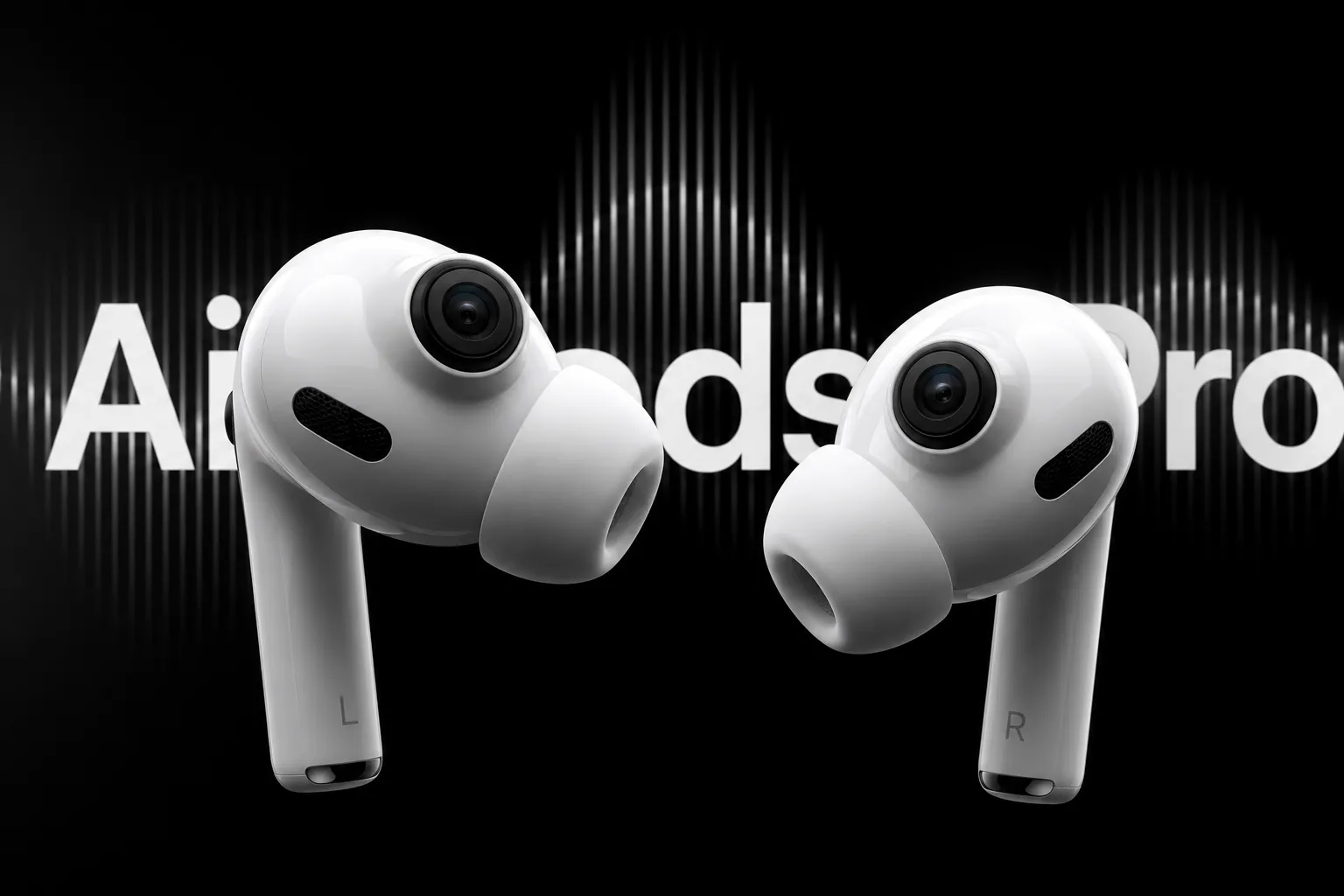
You probably do not want a face computer hanging over your daily routine. That is one reason smart glasses keep stalling. But Apple AirPods cameras and AI could sneak similar intelligence into a product millions of people already wear for hours a day. That matters now because Apple is under pressure to turn Apple Intelligence into something people actually use, not just something shown on a keynote slide. Cameras in AirPods sound odd at first. Then you think about live translation, object recognition, gesture control, and stronger spatial audio tied to what you are looking at. The idea starts to make sense. The real question is whether Apple can add vision features without making AirPods heavier, pricier, or creepy. And that is where this story gets interesting.
What stands out
- Apple is reportedly exploring AirPods with cameras to support AI and spatial features.
- The bigger goal seems to be ambient computing without forcing users into smart glasses.
- Useful features could include visual awareness, translation, and tighter links to Vision Pro.
- Battery life, privacy, and comfort are the hard parts, not the idea itself.
Why Apple AirPods cameras and AI make strategic sense
Apple has a clear problem. It needs better hardware hooks for AI.
Phones can see the world through their cameras, but they are often in your pocket. Smart glasses would solve that, yet they still carry social friction and design baggage. AirPods sit in a strange middle ground. They are socially normal, already packed with sensors, and close to your voice, which makes them a natural front end for an assistant.
Look, this is less weird than it sounds. Apple has spent years pushing wearables toward passive, always-ready computing. The Apple Watch tracks your body. Vision Pro maps your room. AirPods already handle audio, voice input, and head tracking. Adding outward-facing cameras, or infrared-style sensors, would push them one step closer to understanding context.
Apple does not need AirPods to replace the iPhone camera. It needs them to know just enough about your surroundings to make AI feel useful.
That is the bet. Small awareness. Fast responses. Minimal friction.
What could Apple AirPods cameras and AI actually do?
If this product reaches market, the first wave of features will likely be narrow and practical. Apple tends to start there. It rarely ships science projects just to prove it can.
1. Context-aware Siri
Siri has always lacked situational awareness. If AirPods can detect objects, signs, or movement around you, Siri could answer questions tied to what you are facing. Ask, “What store is this?” or “What train platform am I on?” and get an answer without pulling out your phone.
2. Live translation
This one feels obvious. Earbuds are already built for listening and speaking. Add environmental vision and translation gets stronger, because the system could read signs, menus, or transit boards while also translating speech. That turns a basic audio tool into a travel assistant.
3. Spatial audio that reacts to the room
Apple cares deeply about spatial computing. AirPods with visual sensors could better understand where you are, where screens are placed, and how to tune audio around your position. Think of it like a basketball player reading the court instead of just following one defender. Better awareness changes everything.
4. Gesture and head-based controls
Apple already uses head gestures in some accessibility and control features. Cameras could make this richer. A nod, glance, or hand motion might help control playback, answer calls, or interact with Vision Pro (and yes, Apple will almost certainly think about the headset link).
5. Accessibility help
This may be the strongest case of all. AirPods could identify objects, announce obstacles, or help users understand their surroundings through audio prompts. Apple has a solid record here when it focuses.
The hard part is not software
Anyone can pitch cool AI features. Shipping them in earbuds is another matter.
Battery life is the first wall. Tiny cameras and on-device processing draw power, and AirPods have almost none to spare. Heat is another issue. Then there is weight. Add a few grams in the wrong spot and a comfortable earbud becomes annoying after 40 minutes.
And cost matters. AirPods sell at scale partly because they feel premium without drifting into gadget-lab absurdity. If camera-equipped models push too far upmarket, Apple narrows the audience fast.
Privacy may be the biggest trust test. People tolerate phone cameras because they are visible and intentional. Cameras near your ears are murkier. Apple would need obvious privacy signals, tight on-device processing, and a dead simple explanation of what is captured and what is not. Honestly, if that message gets fuzzy, the whole idea wobbles.
Why Apple may prefer this over smart glasses
Smart glasses promise a lot and keep running into the same wall. People do not want to look like they are beta testing their face.
AirPods avoid much of that baggage. They are already mainstream. They are easier to upgrade yearly. And they can act as a stepping stone toward richer wearable AI while the glasses market remains unsettled. That makes them a safer lab for ambient intelligence.
There is also a product-stack reason. Apple likes ecosystems where each device handles part of the load. Your iPhone can do heavy compute. AirPods can capture voice and maybe lightweight visual context. Vision Pro can handle deep spatial mapping. It is less one magic device, more a relay team.
What the report suggests about Apple’s AI direction
The Verge report points to a familiar Apple pattern, based on reporting around possible production plans and camera-equipped AirPods. Apple often waits until components shrink, battery tradeoffs improve, and use cases look clear enough to explain in one sentence. That restraint can make the company look late. Sometimes it also saves it from shipping nonsense.
So what is Apple chasing here? A version of AI that lives in the background and helps in short bursts. Not a chatbot tab. Not an endless prompt box. Something quicker.
- See a little.
- Hear clearly.
- Respond fast.
- Stay out of the way.
That approach fits Apple far better than the current industry rush to bolt large language models onto every screen in sight.
Should you expect this soon?
Probably not right away. Reports about exploring production ideas do not guarantee a launch, and Apple kills plenty of concepts before they leave the lab. That is normal. It is also wise.
But the direction matters even if the exact product slips or changes. Apple is looking for ways to make AI more physical, more ambient, and less dependent on staring at a display. AirPods are a logical test bed for that shift.
And if Apple gets this right, rivals will copy it fast.
What to watch next
If you want to read the tea leaves, watch three things over the next year.
- New AirPods sensor upgrades, especially anything tied to head tracking, health, or environmental awareness.
- Apple Intelligence features that need more context from the real world.
- Deeper links between AirPods, iPhone cameras, and Vision Pro spatial computing.
Here is the practical takeaway. Do not think of this as “AirPods with cameras” in the old gadget sense. Think of it as Apple trying to build an AI layer that rides on products people already accept. That is a much smarter play than chasing flashy hardware demos. The open question is whether users will accept one more step toward always-on machine perception, or finally decide the tradeoff is too steep.