Apple Siri AI Lawsuit Settlement: What the $250M Deal Means
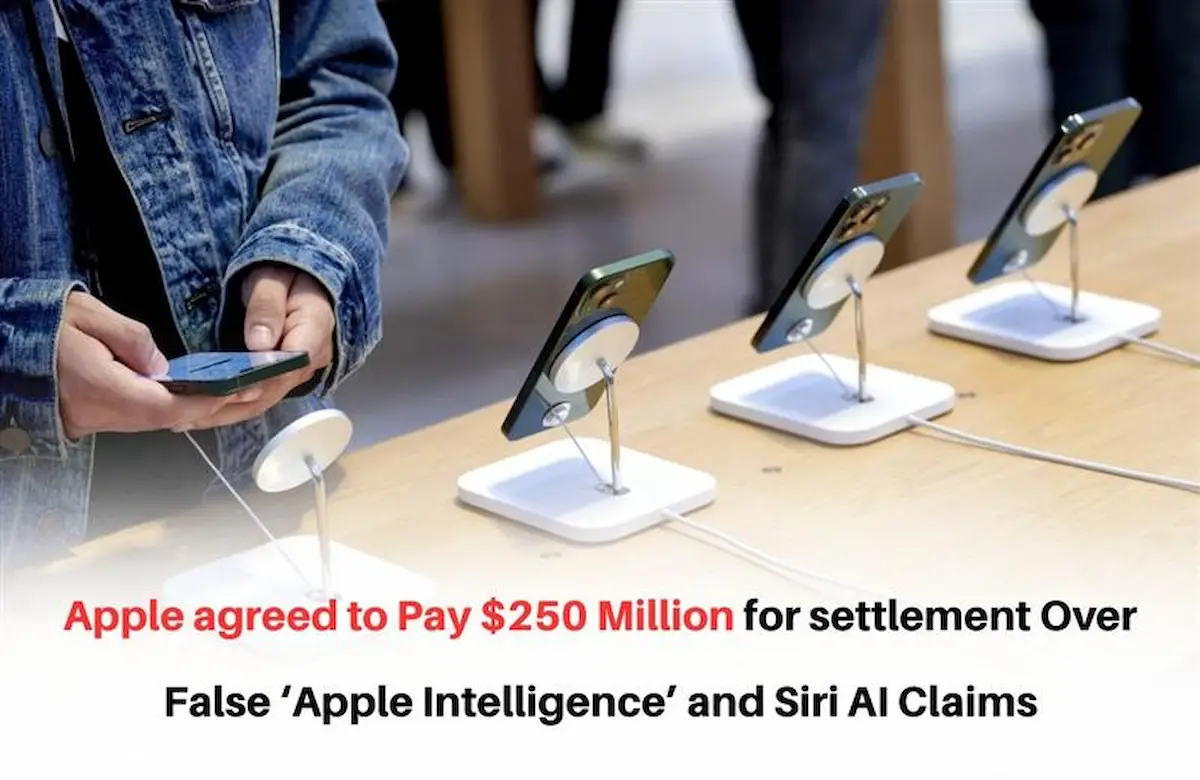
If you follow Apple’s AI plans, this case matters because it cuts to a basic question. What happens when a company markets smart features, then fails to ship them on time? The reported Apple Siri AI lawsuit settlement of $250 million is not just a legal footnote. It is a signal about how much patience buyers, shareholders, and courts may have for delayed AI promises. Apple has spent years positioning Siri as a core part of its ecosystem, yet the assistant has often trailed rivals in quality, speed, and feature depth. Now that gap carries a price. And for any company racing to attach AI to every product pitch, this case is a warning shot.
What to watch
- The $250 million figure matters because it turns product delay risk into a material business cost.
- Siri’s AI delays hit trust, especially when voice assistants are sold as everyday tools rather than experiments.
- This Apple Siri AI lawsuit settlement could shape how big tech markets unfinished AI features.
- Investors should pay attention because AI claims now carry legal and reputational exposure.
Why the Apple Siri AI lawsuit settlement matters
Look, Apple can absorb $250 million. That is not the real story. The real story is that one of the world’s most disciplined product companies is now dealing with legal fallout tied to AI expectations and delayed delivery.
That should make the rest of the industry nervous.
For years, tech companies got away with broad promises around assistants, automation, and machine intelligence. Some features arrived late. Some arrived half-built. Some quietly disappeared. But AI is no longer a side show. It is becoming central to how phones, laptops, and software are sold.
If a company uses AI claims to drive upgrades or defend its market position, those claims need to hold up. Otherwise, the gap between marketing and reality starts to look less like normal product slippage and more like a trust problem.
AI feature delays used to be an annoyance. Now they can become a legal and financial liability.
What likely drove the dispute over Siri’s delayed AI features
Based on the TechCrunch report, the fight centers on delayed AI features tied to Siri. That matters because Siri is not some fringe app buried in Apple’s services stack. It is baked into the iPhone, iPad, Mac, Apple Watch, HomePod, and CarPlay experience.
So when Apple signals that Siri is getting smarter, more context-aware, or more useful, users and investors hear that as a platform upgrade. If those features slip, the damage spreads across the whole ecosystem.
Think of it like a stadium scoreboard in a championship game. If the lights fail, the problem is not confined to one bulb. The whole event feels broken.
And yes, delays happen. Software is hard. AI products are even harder because they depend on model quality, privacy safeguards, infrastructure, and edge-case testing. But Apple has long sold itself on execution. That brand promise cuts both ways.
Why Siri keeps facing harder questions
Siri has never fully escaped its early lead
Apple launched Siri before many rivals had serious voice assistants. For a while, that lead looked durable. It was not. Amazon pushed Alexa into homes, Google built stronger search-backed responses, and OpenAI-style chatbots reset expectations for what an assistant should do.
Honestly, Siri often felt stuck in an older era of voice computing. Good at timers and weather. Less convincing at complex tasks, context, and natural conversation.
The AI standard changed fast
Large language models changed the benchmark. Users now expect assistants to summarize text, rewrite messages, answer layered questions, and understand intent with less hand-holding. A voice assistant that still trips over basic context feels dated.
That is why delayed Siri AI features hit harder now than they would have three years ago. The market moved. Fast.
Apple’s privacy posture raises the difficulty
Apple also faces a tougher balancing act than some rivals. It has built much of its brand around privacy, on-device processing, and tight system control. Those choices can be a real advantage, but they can also slow feature rollouts when compared with companies that are more comfortable shipping cloud-heavy AI first and cleaning up later.
That tradeoff is real (and often sensible), yet it does not erase the pressure created by public expectations.
What this means for Apple’s AI strategy
The Apple Siri AI lawsuit settlement puts Apple in an awkward spot. It still needs to prove it can modernize Siri without sacrificing privacy, reliability, or ecosystem polish. But now it must do that while under sharper scrutiny from investors and regulators.
Here is what Apple likely needs to do next:
- Be more precise in product messaging. If a feature is still moving, Apple should say less, not more.
- Ship narrower wins first. Better task handling, cleaner app actions, and stronger context memory would matter more than flashy demos.
- Explain the limits. Users can handle tradeoffs if companies are direct about them.
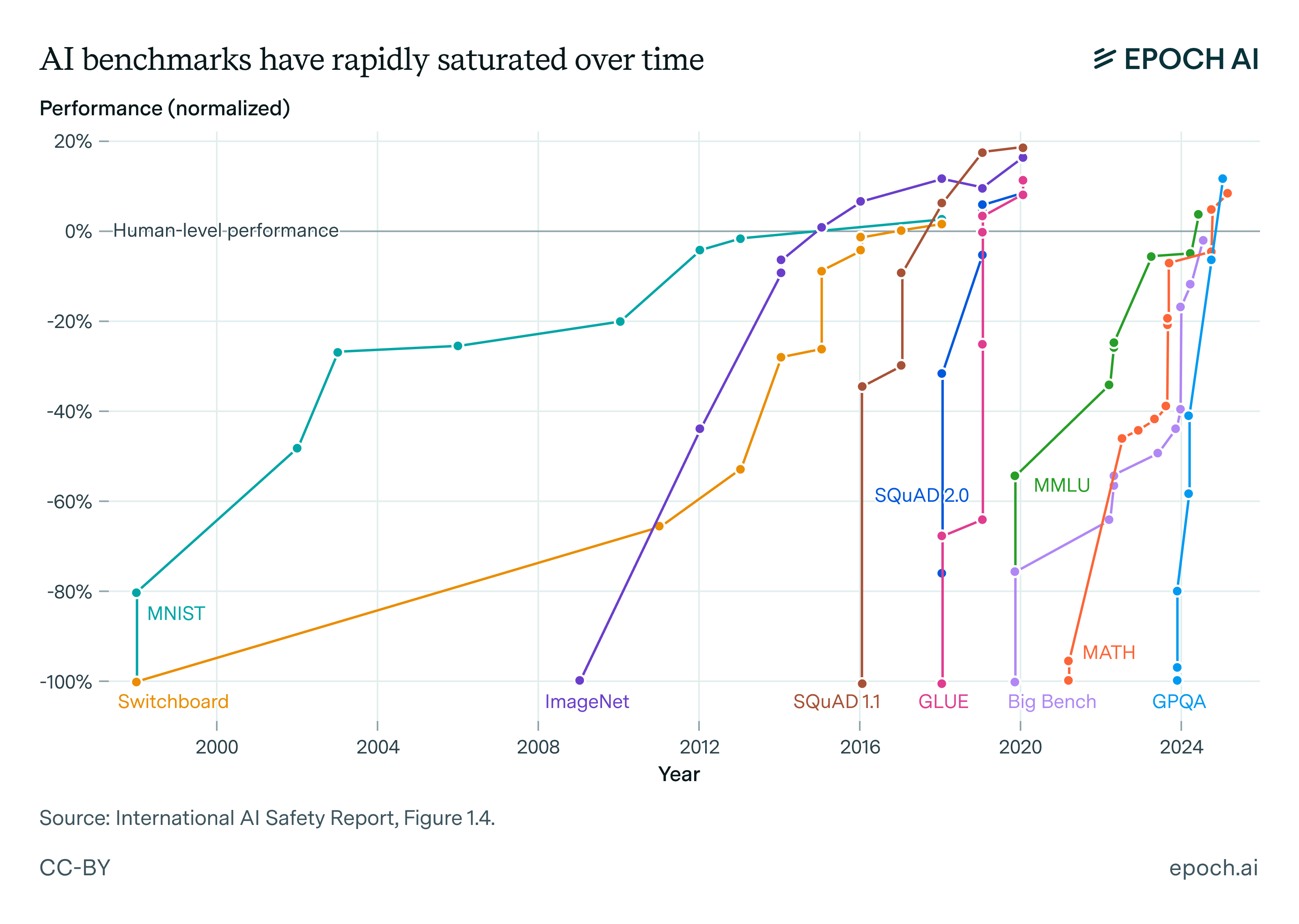
- Show proof in public use. Benchmarks are fine. Real-world reliability is what changes perception.
Here’s the thing. Apple does not need to win every AI race. But it does need Siri to stop feeling like a weak link inside premium hardware.
What other AI companies should learn
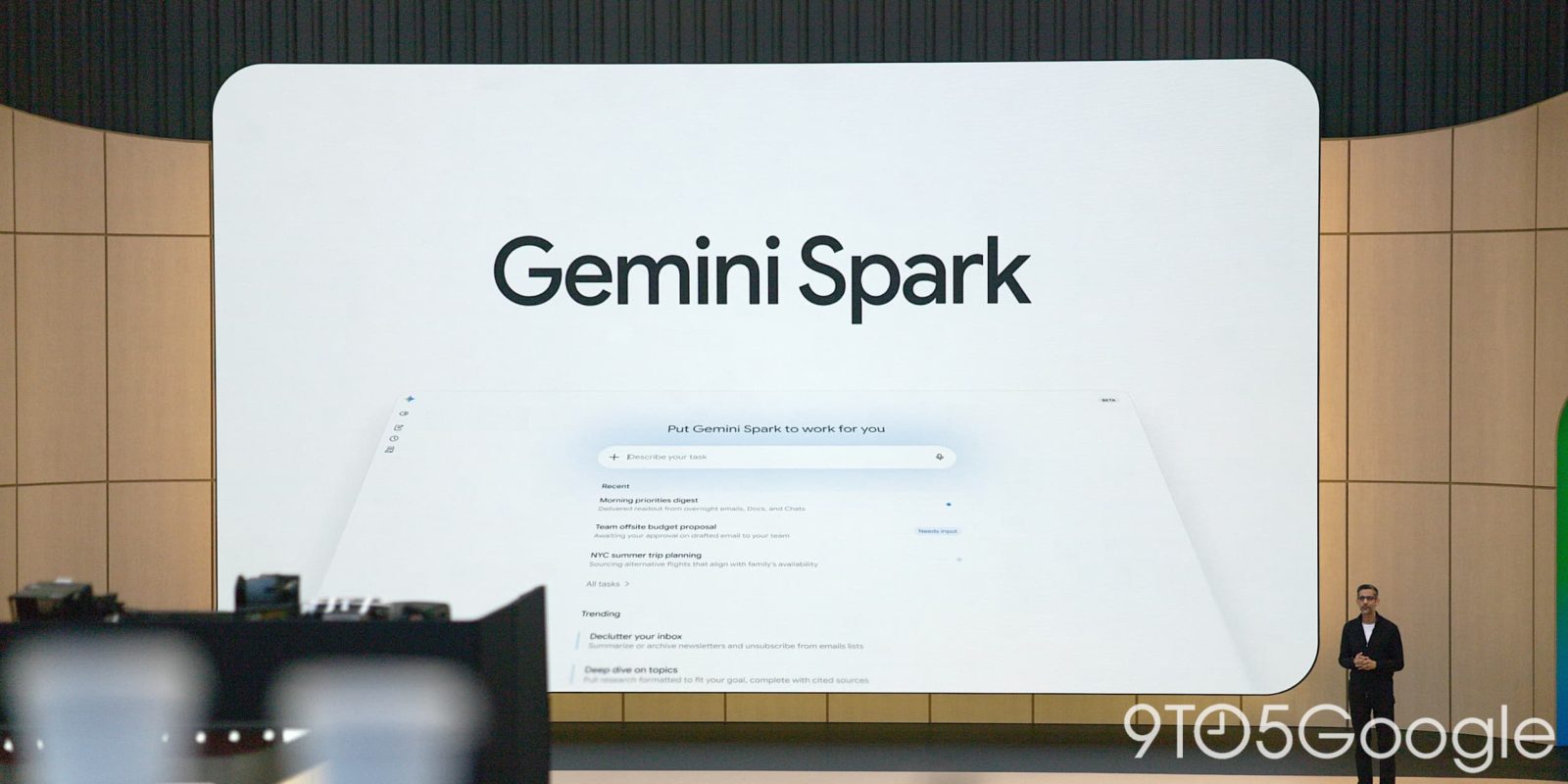
This case is bigger than Apple. It lands at a moment when nearly every major tech company is stuffing AI into keynote slides, earnings calls, and product pages. Some of those features are solid. Some are vapor wrapped in polished language.
Which camp are customers supposed to trust?
Companies should take three lessons from this dispute:
- Do not market timing you cannot defend. AI roadmaps shift all the time.
- Separate demo quality from shipping quality. A stage presentation is not a product.
- Treat assistant features as core infrastructure. If people rely on them daily, delays and failures carry extra weight.
As a veteran tech reporter, I think this is where the hype cycle starts meeting the bill. For years, AI claims inflated valuations and headlines. Now courts and customers are asking a more boring, more useful question. Did the product actually do what the company led people to expect?
How consumers and investors should read the settlement
Consumers should see this as a reminder to judge AI products by shipped capability, not launch-event theater. If an assistant cannot handle common requests well, promises about future intelligence should carry less weight.
Investors should read it as a governance issue. AI delays are not just engineering setbacks. They can trigger legal costs, weaken upgrade narratives, and chip away at a company’s credibility.
That credibility is non-negotiable.
Apple remains one of the strongest product companies in tech, and a $250 million payment does not change that overnight. But it does show that even Apple is not insulated from the messier side of the AI race.
Where Apple goes from here on Siri AI
Apple still has time to reset the story around Siri. It has the money, the installed base, the silicon advantage, and deep control over hardware and software. Few companies get that many second chances.
But the next phase needs less theater and more delivery. If Siri becomes faster, more context-aware, and reliably useful across Apple devices, this settlement will fade into the background. If delays keep piling up, it will look like an early marker of a deeper problem.
And that is the real question hanging over Apple now. Can it make Siri feel current before users decide the future of AI assistance belongs somewhere else?