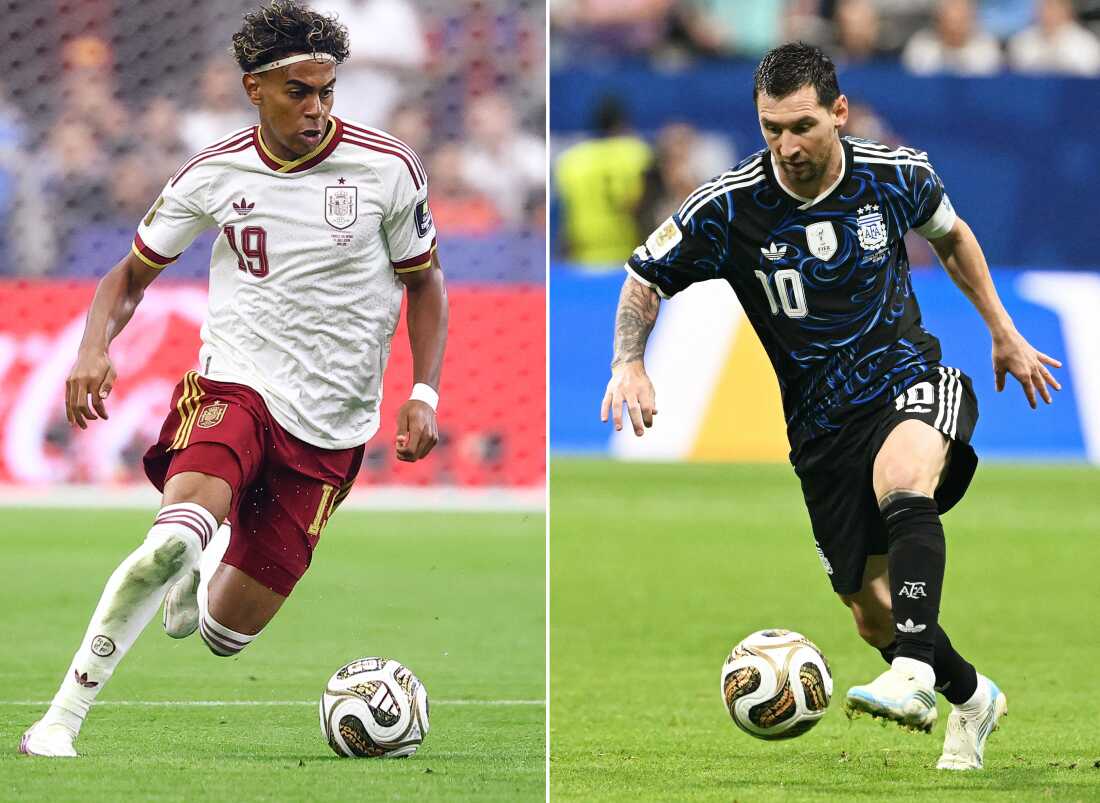
Argentina vs Spain World Cup Final Time, TV, and What to Watch
The Argentina vs Spain World Cup final has the kind of pressure fans wait four years to see. You need the kickoff time, the viewing details, and the few tactical questions that will actually shape the match, because finals are often decided by one mistake, one set piece, or one player who controls the middle of the pitch for 90 minutes. That is the part people miss. They focus on the trophy and forget the small edges that make a final feel like a trapdoor under the favorite. Who handles the first 15 minutes better? Which side keeps its nerve when the game gets tight? Those questions matter more than the pregame noise.
What you need to know about the Argentina vs Spain World Cup final
- Kickoff timing matters, especially if you are watching across time zones.
- Midfield control will shape the game more than pure attacking flair.
- Set pieces could decide it if open-play chances stay scarce.
- Bench depth matters late when legs go heavy and spacing falls apart.
Argentina and Spain bring different styles, and that contrast is the point. Argentina usually wants the match to feel compressed and tense, like a boxer working the body early. Spain tends to prefer possession, patience, and clean passing angles that pull a defense out of shape.
That clash is why the Argentina vs Spain World Cup final feels so volatile. One team wants rhythm. The other wants disruption.
Argentina vs Spain World Cup final: kickoff time and viewing basics
For fans, the first question is simple. What time does the match start, and how do you plan your day around it?
Check local listings in your region, since international broadcasts often shift by country and platform. Major tournaments usually split coverage across national broadcasters, cable sports channels, and streaming services depending on rights deals, so your best move is to confirm the official match page and your local sports network before kickoff.
The final is the kind of match where one missed minute can cost you the only goal that matters.
If you are watching with friends, plan for a little buffer. Finals rarely start feeling tense at kickoff. They build slowly, then snap.
Why the midfield is the real battleground
Big finals often look like a striker’s showcase from a distance. Up close, they are usually won by midfield discipline. Whoever controls the center can decide where the game is played, and that changes everything for both defenses.
Argentina will want compact lines, quick transitions, and a narrow shape when it loses the ball. Spain, by contrast, will try to move the ball side to side until a lane opens. If either side gets sloppy with its spacing, the other will punish it fast. Think of it like building a house. If the frame is off by even a little, the whole structure wobbles.
What to watch in the first half
- Pressing triggers. Does one team jump aggressively after a bad touch?
- Fullback positioning. Are the wide defenders staying home or pushing high?
- Second-ball recovery. Who wins the loose ball after clearances and tackles?
- Turnovers in central zones. Those mistakes usually create the best chances.
And yes, the first half can be cagey. That is normal. Finals are often a chess match with shin guards.
Argentina vs Spain World Cup final: the players who can tilt it
Every final has a few names who can bend the result. For Argentina, the spotlight usually falls on its creative core and the forward line that turns half chances into real danger. For Spain, the pressure is on the midfielders and wide players who can keep possession alive without becoming predictable.
Look for the player who can break structure. That may be a dribbler taking on a defender, a passer who slips a ball between lines, or a set-piece taker who can turn a dead ball into a clean chance. Finals reward composure, not volume.
One hot streak can matter. One bad touch can matter more.
How the match could be decided late
The final 20 minutes are usually where the game stops looking elegant. Fatigue creates space. Substitutions change the tempo. Coaches start gambling.
That is where bench strength becomes non-negotiable. If one side can bring on fresh runners, it can stretch the field and force mistakes. If the other side keeps its shape, it can absorb pressure and strike on the break. This is why late-game management is so hard to fake. The clock does not care about reputation.
What should you expect? Probably one of three things. A tight 1-0 finish. A game that opens after the first goal. Or a long stretch where neither side wants to be the one that blinks.
What this final says about modern international soccer
The Argentina vs Spain World Cup final is a useful test case for how elite national teams win now. Pure possession is not enough. Pure counterattacking is not enough. You need structure, stress tolerance, and players who can solve problems without perfect conditions.
That is why finals still feel different from league matches. In a league, you get time to recover. In a final, the margin is tiny and the punishment is immediate. There is no replay button.
So if you are setting your watch, your group chat, or your couch around this match, focus on the details that matter. Who controls the center? Who handles the set pieces? Who stays calm when the game gets ugly? That is the real preview. And it is the part worth watching all the way to the last whistle.
What to do before kickoff
Check the official broadcast time in your area, confirm your streaming login early, and give yourself time for pregame coverage if you want the full context. Then watch the first 10 minutes closely. That is usually where the tone gets set, even if the scoreboard stays blank.
Honestly, that is the best part of a final. The moment before anyone knows anything.