Australia’s AI Bubble and the Open Source Exit
Australia’s AI bubble could burst fast, and that is exactly why the next move matters. If you are building with open source AI tools, buying software, or setting policy, you need a plan for what happens when vendor hype cools and budgets tighten. The real problem is not whether the bubble pops. It is what you are left holding when it does. Do you own usable systems, or just expensive access to someone else’s model? That question is now practical, not theoretical. Governments, schools, startups, and large firms have all been told to move fast. But speed without control is how you end up with brittle systems, rising costs, and no local capacity. The smarter path is boring, and that is a good thing.
What matters most right now
- Open source AI tools can reduce lock-in if you build around data portability and standard APIs.
- Procurement rules matter as much as model quality.
- Local expertise beats glossy demos when budgets shrink.
- Retention of data, prompts, and evaluation logs gives you an exit path.
- AI projects that cannot be audited will be hard to defend later.
Why the bubble talk is not the point
The bubble debate can sound like Wall Street theater, but the practical issue is simpler. A lot of AI spending today is aimed at pilot projects, consultancy fees, and cloud credits that look generous until renewal time. Then the invoice lands. And the system you built may depend on a proprietary stack you cannot inspect or move.
That is why open source matters in this story. Not as ideology. As insurance.
“The best AI strategy is the one you can still run when the hype cycle runs out.”
How open source AI tools change the math
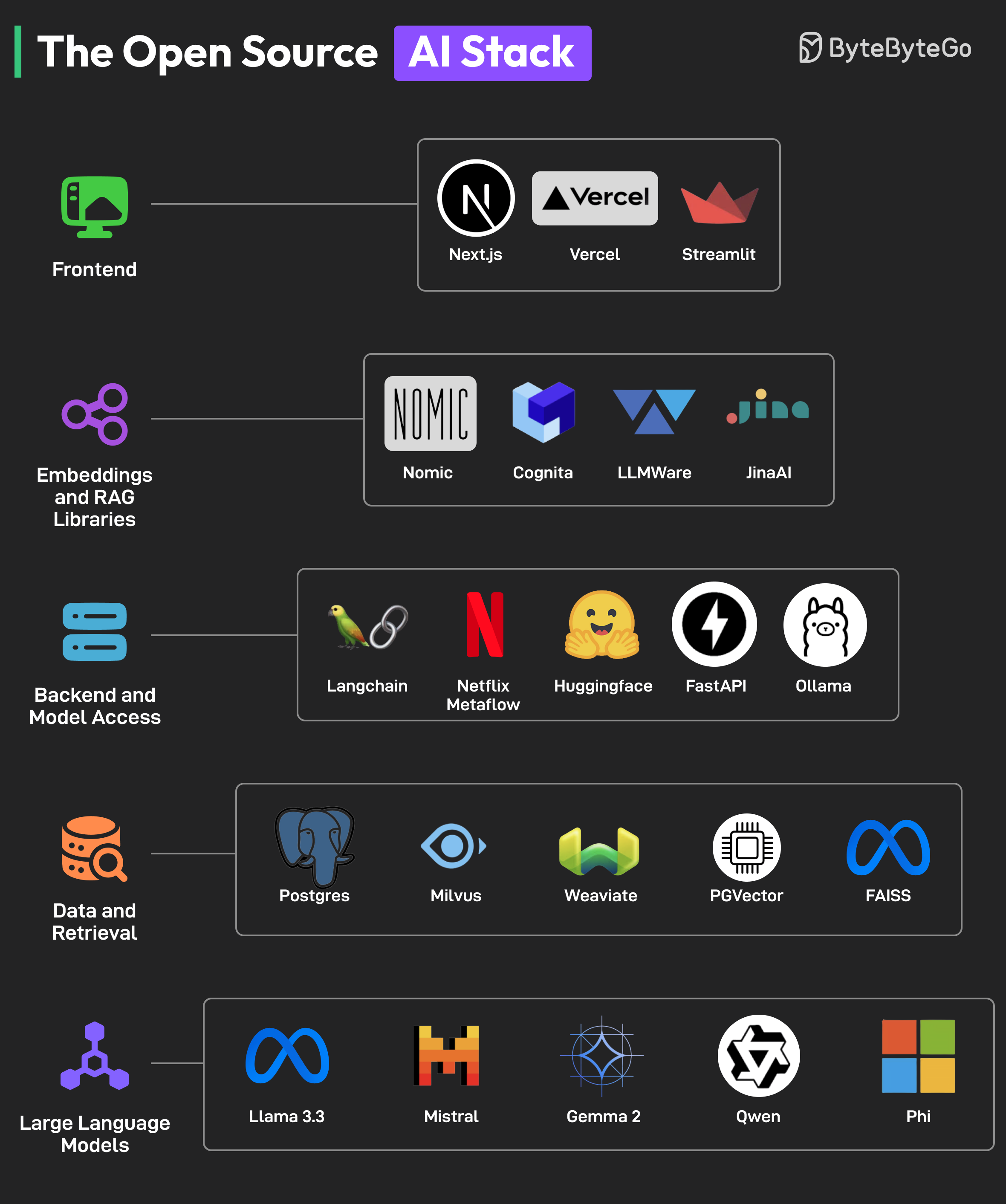
Open models and open frameworks do not remove complexity. They shift where the control sits. You can host models yourself, tune them for local tasks, and keep more of the workflow inside your own environment.
Think of it like kitchen equipment. If every meal depends on one rental oven from one supplier, you are exposed the moment that supplier changes the terms. If you own the oven, the mixer, and the recipe book, you can keep cooking. Same idea here.
Where the gains show up
- Cost control. You can swap infrastructure pieces instead of renegotiating an entire vendor bundle.
- Auditability. You can inspect model behavior, logs, and fine-tuning choices more easily.
- Skills reuse. Your team learns systems they can carry to the next project.
- Policy fit. Public sector teams can align tools with privacy, records, and procurement rules.
But open source is not magic. If your staff cannot manage deployment, testing, or model updates, the software will still sprawl. The win comes from capability, not from a license label.
What Australia should build before the bill arrives
Australia does not need a grand national AI miracle. It needs sturdy plumbing. That means shared evaluation methods, local hosting options, and procurement templates that reward portability. It also means training people who can run, test, and retire systems without begging a vendor for permission.
One useful test is simple. Can you move the model, the data, and the prompts to another stack without rebuilding the whole thing? If the answer is no, you do not really own the system.
Three practical moves
- Set exit clauses in every AI contract.
- Require open formats for outputs, logs, and evaluation records.
- Fund local technical teams that can maintain models after the pilot phase ends.
That sounds dull. It is. But dull is what survives budget cuts.
Who should care first?
Public agencies should care because they cannot afford stranded systems. Universities should care because they train the next wave of operators and auditors. Mid-sized businesses should care because they feel lock-in pain first, before the giants do. And startups should care because today’s shortcut can become tomorrow’s dead end.
Honestly, the weakest move is to treat AI like a one-way purchase. It is more like building a footbridge. If you do not check the supports, the first storm does the editing for you.
What to watch next in the open source AI tools debate
The next phase will not be about who has the flashiest chatbot. It will be about who can prove reliability, adapt fast, and keep control of the stack. That is where open source AI tools could stop being the backup plan and become the default for serious buyers.
Look for governments, universities, and firms to ask one harder question: if the market cools next year, can we still run this thing without regret?
That is the question worth answering now, while the tools are still cheap, the hiring market still has talent, and the exit is still open.