Big Tech’s $635B AI Bet Hits the Power Wall
AI spending is climbing toward $635 billion by 2026, yet the real choke point is not chips, it is electricity. If you want AI features to feel instant, the servers behind them need massive, steady power, and AI energy demand is rising faster than utilities can keep up. S&P Global warns that projects could stall if grid upgrades and alternative power sources lag. That is not a distant threat; permitting delays and transformer shortages already slow new data centers. The question is whether the industry will learn from past cloud buildouts or repeat old mistakes with higher stakes. Look at Texas, Ireland, and northern Virginia: the grid strain is visible, and costs are climbing.
What to Watch
- Utility interconnection queues are stretching timelines for new AI campuses.
- Power purchase agreements are shifting toward baseload, not just solar and wind peaks.
- Cooling innovations are moving from pilot to production to cut energy intensity.
- Policy makers are weighing stricter efficiency rules for hyperscalers.
Why AI Energy Demand Is the New Bottleneck
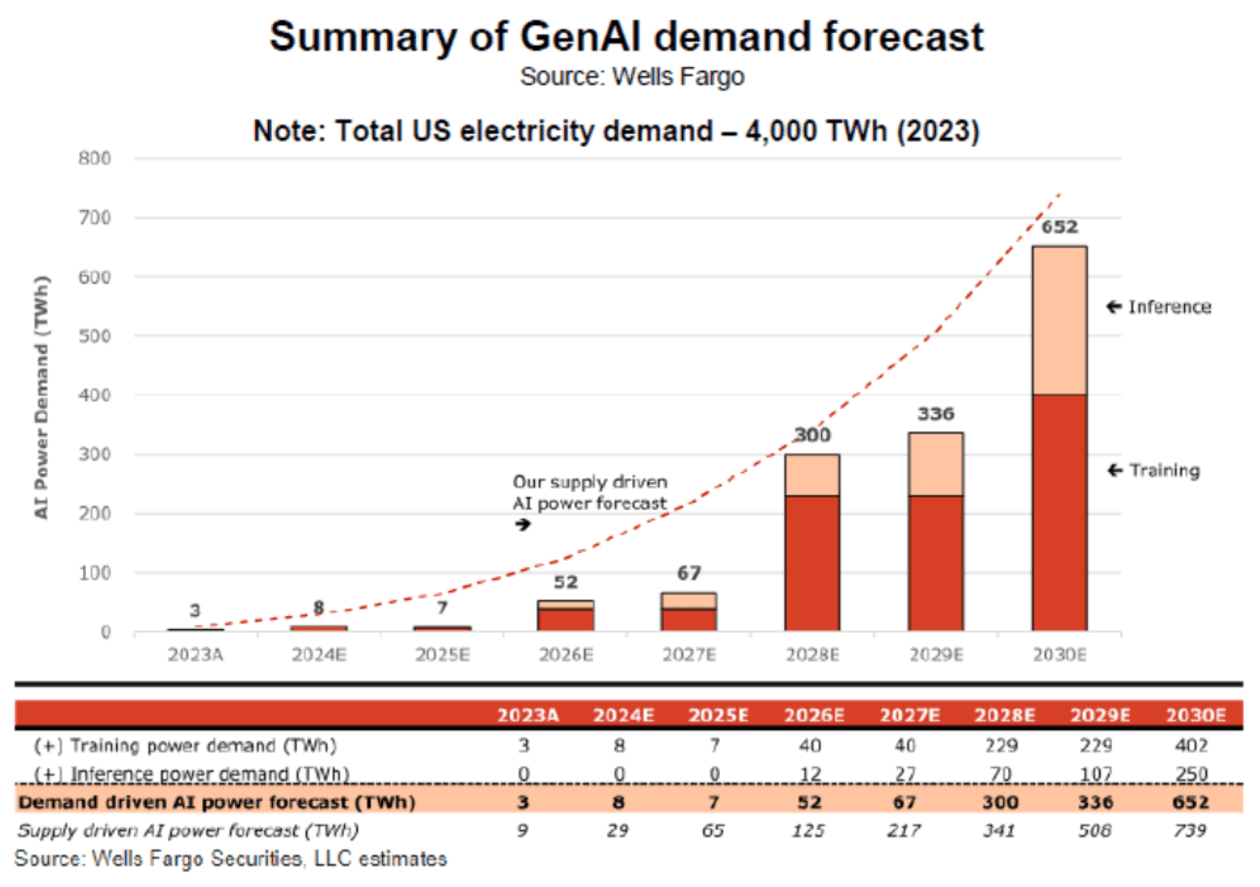
Analysts peg data center electricity use near 460 TWh by 2026 if current AI trajectories hold. That rivals medium-size nations. You cannot spin up GPUs without firm capacity, and backup diesel is a costly crutch. The grid math looks uneasy: interconnection queues in the U.S. jumped above 2,600 GW, with many projects stuck. One sentence paragraphs make the point. If you think this is abstract, consider northern Virginia where grid operators paused new connections to avoid blackouts.
“Energy availability will dictate AI rollout velocity more than model breakthroughs,” said one utility planner I spoke with this week.
Think of AI buildouts like a basketball team that added star scorers but forgot to practice defense; the offense looks great until turnovers pile up. Data centers are piling up GPU racks without the electrical headroom to run them hard. Short-term fixes include throttling workloads and shifting jobs to off-peak hours, but that dents user experience and revenue.
How Big Tech Plans to Cover AI Energy Demand
Look, the hyperscalers are not waiting for regulators to solve this. They are signing long-term power deals with nuclear operators, piloting small modular reactors, and locking in 24×7 renewable contracts. Microsoft and Google already test advanced cooling to shave megawatts per site. Amazon is scouting locations near hydro in the Nordics, trading latency for power certainty. Do you see the shift? AI energy demand is dictating site selection more than talent pools.
Grid Coordination Playbook
- Start interconnection studies early and model multi-year load growth with utilities.
- Pair variable renewables with storage or firm generation to stabilize supply.
- Invest in on-site microgrids where local rules allow, even if costs look high today.
- Design workloads to flex with grid signals, reducing curtailment penalties.
(A surprising upside: efficiency gains often cut cooling costs enough to fund new resiliency features.) But these moves need capital discipline. Overbuilding for peak AI loads can sink margins if demand forecasts slip.
Who Pays for the Surge
Consumers expect fast AI assistants, yet regulators do not want residential bills to subsidize corporate data halls. Utilities hint at special tariffs for high-density loads, pushing hyperscalers to shoulder grid upgrade costs. That could reset the total cost of ownership models many CFOs rely on. Would you greenlight a billion-dollar campus if the tariff risk is opaque?
Signals to Track Next
Watch transformer lead times, PPA pricing for firm supply, and local moratoriums on new data centers. Each signals whether the energy squeeze is easing. If projects stall, AI rollouts may pivot to smaller, edge deployments that sip power rather than gulp it. Either way, the era of cheap, endless electricity for compute is over.
Final Take
The AI race will reward the companies that treat power as a first-class product input, not an afterthought. Expect bolder bets on nuclear, smarter cooling, and grid-friendly scheduling. The next breakthrough everyone needs is not another billion-parameter model. It is a reliable megawatt.