Silicon Valley Power Crisis and AI Energy Prices
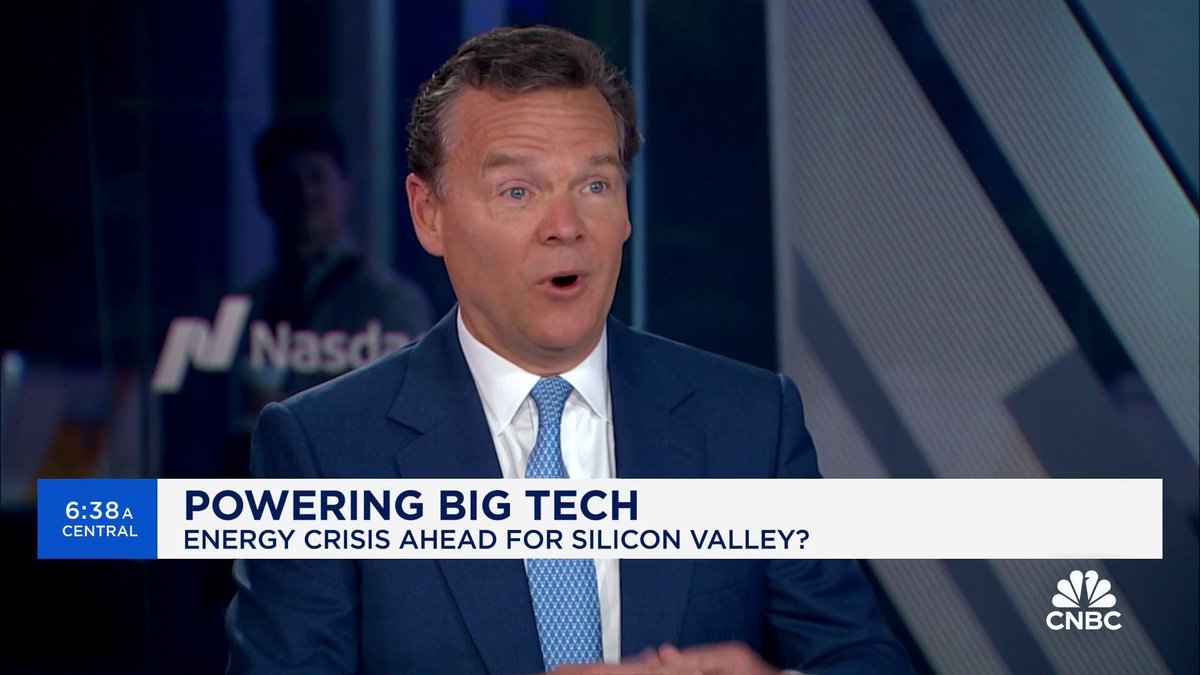
Your power bill may be heading the wrong way at the worst possible time. In Silicon Valley, a coming shift in who supplies electricity is colliding with a surge in AI demand, and that mix could hit homes, startups, and large employers alike. The Silicon Valley power crisis matters now because AI data centers are soaking up more electricity just as the region needs steadier, cheaper supply. That puts pressure on rates, grid planning, and political decision-making. And if you run a business, build AI products, or simply pay a monthly utility bill, this is not some distant policy fight. It is a cost story, an infrastructure story, and a warning about what happens when tech growth runs faster than the systems beneath it.
What to watch
- AI demand is pushing electricity costs higher across already strained grids.
- A provider change creates uncertainty around pricing, contracts, and long-term planning.
- Data centers need reliable power, but residents and smaller businesses want rate stability.
- Local leaders now face a hard choice between growth, affordability, and grid resilience.
Why the Silicon Valley power crisis is getting worse
TechCrunch’s report points to a nasty overlap. Silicon Valley needs a new energy provider, and AI is arriving like a giant new tenant that leaves every light on. That is a problem because electricity markets do not pivot overnight.
AI workloads, especially model training and large-scale inference, consume huge amounts of power. The International Energy Agency has repeatedly warned that data center electricity use is rising fast, with AI as a major driver. Utilities can plan for growth. They struggle when growth arrives in a rush.
Here is the part people often miss. Power systems are built more like airports than apps. You cannot patch in extra runway capacity with a software update.
What a new energy provider could mean for local customers
A provider transition can affect several things at once, including procurement strategy, rate design, and reliability planning. For large commercial users, the big issue is usually price certainty. For households, it is simpler. Can you keep bills predictable?
Look, energy contracts are boring until they are expensive. If a new supplier has to secure power in a tighter market, those costs can flow downstream. And when AI demand is bidding up the same pool of electricity, local customers may end up competing with the region’s own growth engine.
Silicon Valley wants to lead the AI race, but the grid does not care about product launches. It cares about supply, transmission, and peak load.
Who feels the pressure first?
- Residents on fixed incomes who cannot absorb sudden rate jumps.
- Small businesses with thin margins and little buying power.
- Startups running compute-heavy products without hyperscale budgets.
- Large employers that need stable long-term energy deals.
And yes, the biggest companies can often outbid everyone else.
How AI energy demand changes the economics
The old assumption was that software scales cheaply. AI has blown a hole in that idea. Training frontier models and serving millions of queries requires chips, cooling systems, backup power, and constant electricity draw. That changes the math for utilities and for the companies buying power.
This is where the Silicon Valley power crisis becomes more than a local utility story. It is also a business model story. If energy becomes a larger share of AI operating costs, companies will have to choose between passing costs to customers, cutting margins, or shifting workloads to cheaper regions.
Honestly, this may be the first real infrastructure check on AI hype. Investors love scale. Utilities bill for it.
What local officials and utilities need to do next
The obvious answer is not enough. Leaders cannot just say they support innovation while hoping the market sorts itself out. They need a practical plan that matches supply to demand, protects residents, and gives businesses a clearer timeline.
Priority moves that make sense
- Lock in long-term power procurement to reduce exposure to price spikes.
- Speed up grid upgrades for transmission, substation capacity, and local resilience.
- Expand demand-response programs so large users cut load during peak periods.
- Push for cleaner firm power, including geothermal, advanced nuclear, or large-scale storage where feasible.
- Require clearer forecasting from major AI operators so utilities are not planning blind.
That last point matters more than many executives want to admit. If power demand from AI clusters is opaque, utilities will either underbuild and risk shortages or overbuild and push costs onto everyone else.
What businesses should do during the Silicon Valley power crisis
If you run a company in the region, waiting is a bad strategy. Start with an energy exposure review. How much of your cost base depends on data center usage, cloud inference, on-prem compute, or fixed-site electricity rates?
Then get specific (and a little skeptical). Ask your vendors where your workloads run, whether they face regional power constraints, and how rate volatility could affect pricing. A cloud bill is really an energy bill wearing a nicer shirt.
Practical steps for operators
- Model best-case and worst-case power cost scenarios for the next 12 to 24 months.
- Review colocation and cloud contract terms tied to energy surcharges.
- Shift non-urgent training jobs to lower-cost regions when possible.
- Invest in efficiency at the model and hardware layer, not just at the application layer.
- Track local policy decisions on utility procurement and rate cases.
Want a simple test? If your AI roadmap assumes cheap, abundant power forever, your roadmap is probably wrong.
The bigger signal behind rising AI energy prices
This story is about Silicon Valley, but the pattern is spreading. Northern Virginia, Phoenix, and other data center hubs are dealing with similar strain. More compute demand sounds exciting until transmission lines, transformers, and permitting queues enter the chat.
There is also a political risk here. If residents see AI as the reason bills rise while service stays shaky, public support can turn fast. That changes local permitting, utility oversight, and the tone of the AI debate itself.
But there is a harder truth beneath all this. The AI industry has spent years talking as if intelligence were the scarce asset. In practice, electricity may be the non-negotiable one.
What happens if leaders get this wrong
If the provider switch drags on, or if planning lags behind AI growth, the likely outcomes are familiar and ugly. Higher retail rates. More conflict between residential and industrial users. Slower expansion for companies that need dependable power.
That would be a self-inflicted wound for the region that built modern computing. Silicon Valley knows how to move quickly on software. Now it has to prove it can think seriously about physical infrastructure, too. The next phase of AI will not be won by the loudest demo. It may be won by the places that can keep the lights on.