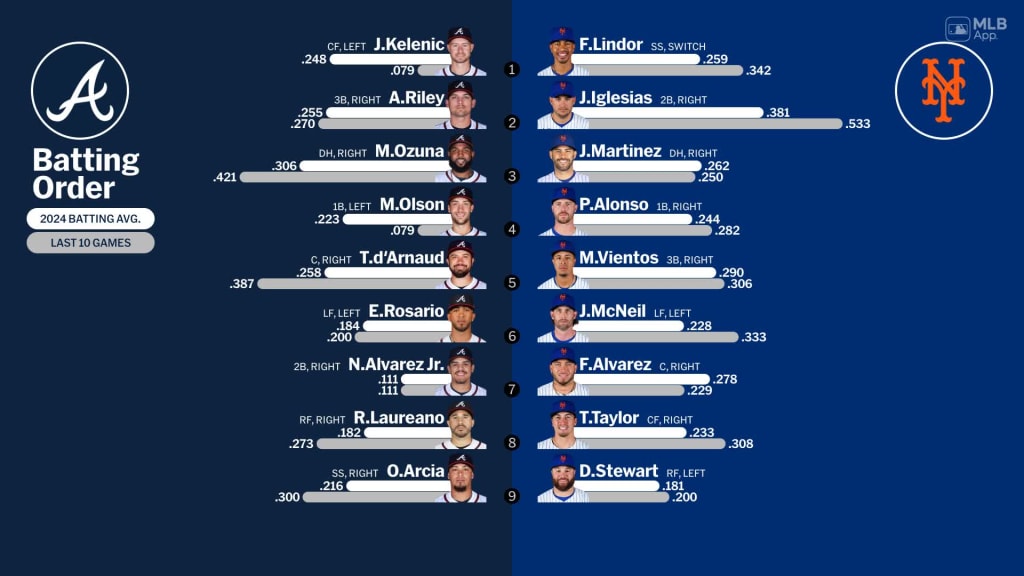
Braves vs Mets Lineups: What Jorge Mateo and Joey Bart Tell You
You are looking at the Braves vs Mets lineups because one lineup card can change your fantasy night fast. A surprise shortstop, a different catcher, or one batting-order tweak can push a sleeper into play or knock a planned stack off your board. That matters now because daily fantasy and season-long matchups both reward people who react early, not after the first pitch. Look at the details. Jorge Mateo starting at shortstop and Joey Bart catching are not random notes. They shape matchup quality, plate appearance volume, and the kind of risk you should be willing to take. The edge is often small, but in baseball small edges add up. Who is actually in the best spot to produce tonight?
What stands out in the Braves vs Mets lineups
- Jorge Mateo at shortstop changes the infield profile and can affect contact, speed, and defensive value.
- Joey Bart catching gives you a different offensive read than a more glove-first option.
- Lineup position matters as much as raw talent in DFS and prop markets.
- Late lineup news can turn a marginal play into a strong one.
The first thing I want from any lineup note is context. A player starting is useful, but the batting order tells you more. A leadoff hitter gets a different fantasy runway than a ninth-place bat, and a catcher who is catching more often can quietly earn extra value through volume.
Jorge Mateo is the sort of player who can matter even when he does not hit for much power. Speed plays in a different gear. If he gets on base, he can pressure the defense, steal a bag, and create runs without needing a barrel.
Lineups are a volume game. A player with mediocre skills can beat a better hitter if he gets two extra plate appearances and a green light on the bases.
Why Jorge Mateo in the Braves vs Mets lineups matters
Mateo at shortstop is not just a defensive wrinkle. It can also signal how a team wants to manage the bottom half of the order. If he is near the top, you are looking at speed and chaos. If he is buried, his appeal shrinks unless you need a cheap tournament dart.
Fantasy players often chase names and ignore role. That is a mistake. A player like Mateo is like a utility knife in a kitchen. It is not the fanciest tool, but in the right setup it solves a lot of small problems fast.
What to check before you lock him in
- Where is he hitting in the order?
- Is he facing a starter who allows stolen-base chances?
- Does the opposing battery control the run game?
- Are you chasing floor or ceiling?
If you need speed, Mateo has a path. If you need stable production, there are safer choices. That sounds simple, but plenty of lineups are built on wishful thinking. Don’t do that to yourself.
Joey Bart and the catcher spot in the Braves vs Mets lineups
Joey Bart catching changes the calculation at a position that is usually thin. Catcher is where fantasy managers often settle for whatever is available. That is fine until a usable bat shows up in a decent lineup slot. Then you should pay attention.
Does that mean Bart is suddenly a must-play? No. But it does mean his presence matters more than a casual glance suggests. Catchers can pick up RBI chances from the middle of the order, and that kind of role is worth more than raw reputation.
Also, catcher usage can hint at game flow. If a team trusts Bart to handle the staff against a division opponent, that can affect bullpen timing and in-game substitutions. Not dramatic. Still real.
How to use Braves vs Mets lineups in fantasy
Start with the lineup, then work backward to the matchup. That order saves you from overthinking the wrong variable. Pitcher quality matters, sure, but batting order and role often decide whether a cheap player is playable.
Here is a simple way to handle it:
- Cash games: prioritize hitters with stable lineup spots and high plate-appearance odds.
- GPPs: target speed, cheap power, and lower-owned bats in favorable lineup slots.
- Props: use batting order and catcher usage to spot run, hit, and RBI opportunities.
Baseball is full of moving parts. One lineup change can tilt the whole board. If Mateo moves up, his fantasy value jumps. If Bart hits in a run-producing slot, he becomes more interesting than the average catcher. Simple. But people miss it every day.
What this means for your next move
Do not treat the Braves vs Mets lineups as background noise. They are the first useful signal you get before the game starts, and they often tell you which players the market has not fully priced yet. That is where the edge lives.
Check the batting order, check the catcher, and check the stolen-base path. Then build from there. If the rest of the slate is messy, this is how you stay ahead without guessing. And if Mateo or Bart land in a better spot than expected, are you ready to move before everyone else catches up?