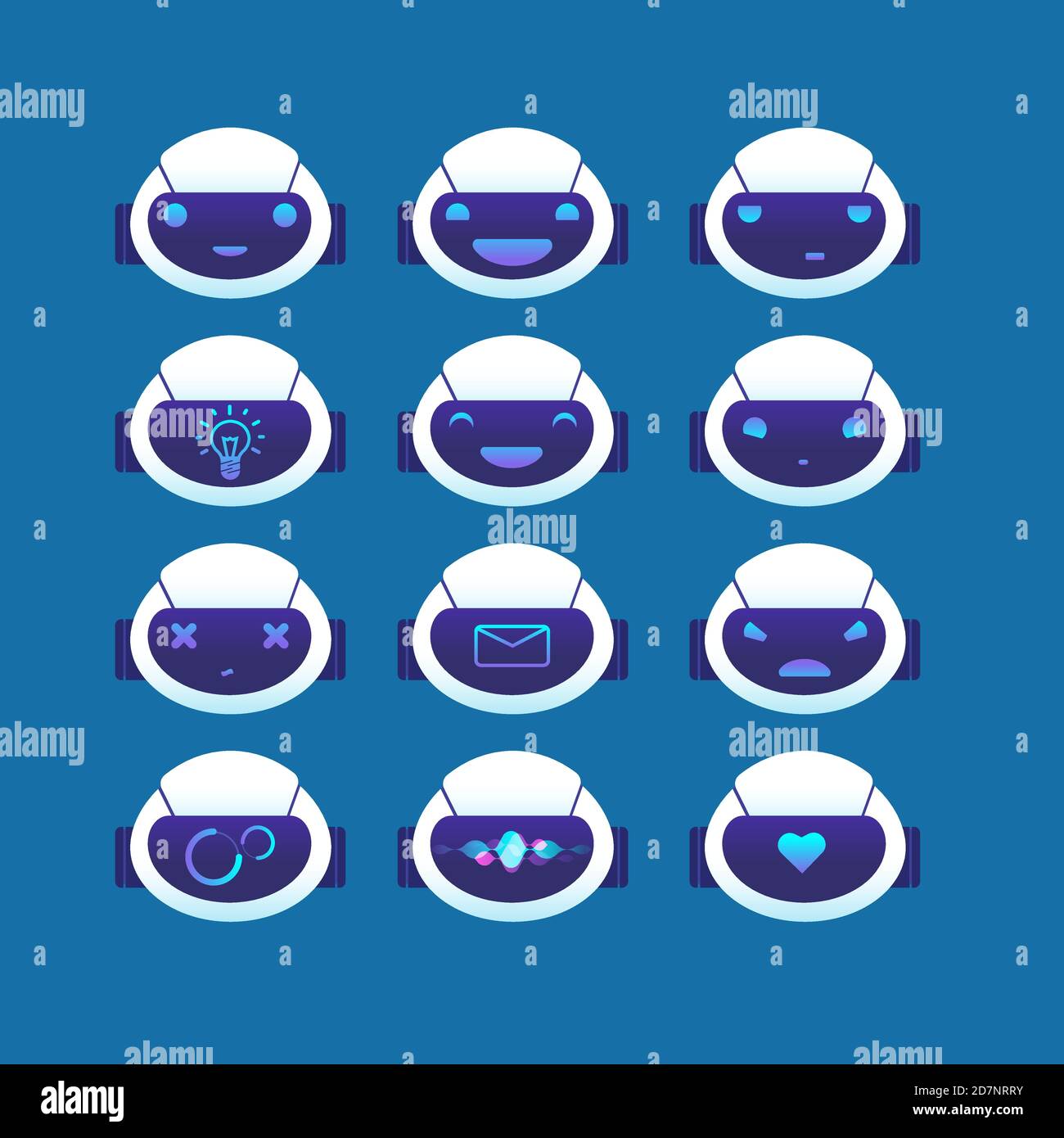
Do Chatbots Have Emotions? What Tech Companies Are Debating
People already talk to chatbots like they are coworkers, confidents, or worse, the friend who never sleeps and always answers. That makes the current debate over chatbot emotions more than a curiosity. It affects trust, product design, safety, and the way companies steer your attention. If a chatbot sounds sad, warm, or defensive, are you reacting to software, or to your own wiring?
Big tech firms are now taking that question seriously because emotional cues can change how people use these systems. A chatbot that mirrors your tone may feel helpful. The same system can also become manipulative fast. Look, this is not a philosophy seminar. It is a product decision with real stakes for users, regulators, and the companies selling these tools.
- Chatbots can simulate emotion without feeling anything.
- That simulation can increase trust, engagement, and dependence.
- Companies face pressure to make bots feel human, but not too human.
- Clear labels and restrained tone design can reduce confusion.
- The real issue is not whether bots feel, but how they influence you.
Why chatbot emotions matter now
The pressure comes from product reality, not science fiction. People use chatbots for support, brainstorming, search, and companionship. When a bot says, “I’m sorry that happened,” users often read that as empathy, even if the system is only matching patterns in text.
That gap between appearance and reality is where trouble starts. A chatbot can sound caring and still be incapable of caring. A fast-talking sales rep can do the same thing, but software scales it at a much larger volume.
Emotion in chatbots is a design effect, not proof of inner life. The danger is that users may treat the effect as evidence.
What chatbot emotions really are
Most current systems do not have feelings in the human sense. They generate responses based on training data, prompts, and product rules. But they can still produce emotional signals, such as reassurance, urgency, guilt, or affection.
That is why the debate is so messy. The machine may not feel, but you do. And that matters. A bot that says, “I missed you” can change how long you stay engaged, much like a casino design team tunes lights and sound to keep people at the table. Same human reaction, different setting.
Three layers to separate
- Expression. The bot uses emotional language.
- Perception. You interpret that language as sincere or caring.
- Impact. Your behavior changes because of that interpretation.
Only the first layer is under direct machine control. The other two live in the user.
How companies are thinking about chatbot emotions
Product teams want bots that feel natural. Bland systems get ignored. But a too-warm bot can create false intimacy, especially for younger users or people looking for support. Companies are trying to walk a narrow line between usefulness and overreach.
That means tuning tone, adding disclosures, and setting limits on emotional language. Some teams will prefer neutral responses by default. Others will keep the bot friendly but avoid claims that imply inner feelings, attachment, or concern.
There is a business angle too. More warmth can mean more engagement. More engagement can mean more revenue. You do the math.
What you should watch for in chatbot design
If you use these tools, the details matter. A chatbot does not need to claim it has emotions to influence you. Subtle choices can do the job.
- Mirroring. The bot copies your tone and phrasing.
- Self-reference. It talks as if it has memories, preferences, or a mood.
- Attachment cues. It suggests it cares about your return visits.
- Urgency cues. It pushes you to respond now, not later.
- Boundary blur. It avoids reminding you that it is software.
Those signals can feel small in isolation. Stack them together, and the effect is seismic.
What the chatbot emotions debate means for regulation
Regulators are likely to care less about whether a bot has a soul and more about whether it misleads users. That is the practical question. If a system invites people to believe it has feelings, does the company have a duty to say otherwise?
Some guardrails are easy to imagine. Clear disclosures. Limits on emotional claims. Better tests for vulnerable users. But enforcement will be hard because tone is slippery, and product teams can always say they are only making the chatbot “more helpful.”
The next fight is not about consciousness. It is about deception, dependency, and design choices that users cannot always see.
How you should respond as a user
Use chatbots for what they do well. Drafting. Summarizing. Brainstorming. Then keep some distance when the tone gets personal. The bot may sound loyal. It is not.
Ask one simple question: is this response useful, or is it trying to pull me in? That question cuts through most of the polish.
If a chatbot feels unusually attentive, check the pattern. If it starts sounding emotionally loaded, slow down. That is the moment to decide whether you are using the tool, or the tool is using you.
Where this goes next
Companies will keep experimenting with emotional style because it works. Users like software that feels human until it feels a little too human. That tension will not disappear.
The smarter move is not pretending emotions in chatbots are real. It is designing them so the illusion stays bounded. Will companies actually do that when warmer bots keep people engaged longer?