Candidates Are Pledging Action on Data Centers and AI Safety
Campaign season has a way of turning hard infrastructure questions into talking points, and that is exactly what is happening with data centers and AI safety. Candidates are now signing pledges that promise action on power use, local permitting, transparency, and the risks tied to fast-moving AI systems. That matters because these choices are not abstract. They shape electric bills, land use, water demand, and how quickly new AI systems reach the public. If you care about who gets to set the rules, you should care now, before the permits are issued and the contracts are signed. Who really has the upper hand here, voters or the companies building the stack?
Look, this is not just a tech story. It is an energy story, a zoning story, and a governance story all at once. And it is starting to land in local races, where the consequences are immediate.
What the data centers and AI safety pact is trying to do
- Press candidates to support tougher oversight of data center growth and AI deployment.
- Make energy and water costs visible to voters before projects get approved.
- Push for safety standards around powerful AI systems, not after a public mess.
- Give campaigns a simple signal they can use to show they care about the issue.
The appeal is obvious. Data centers are multiplying fast, and AI companies need more compute to train and run larger models. That means more demand for electricity, cooling, and grid capacity. A pact gives candidates a ready-made position without forcing them to build a policy from scratch.
“The cleanest version of this pledge is also the hardest one to fake. Either you support oversight and real limits, or you do not.”
Why data centers have become a political issue
Data centers used to sound like back-end plumbing. Now they sit at the center of local fights over power planning and public resources. Utility regulators, county boards, and state lawmakers are all getting pulled in.
Energy demand is the pressure point. Utilities in several regions have warned that large data center clusters can strain grid planning and complicate rate-setting. That does not mean every project is bad. But it does mean the old model of approving facilities one by one, with little public scrutiny, is starting to look weak.
Where the friction shows up
- Electricity demand. More load can mean new infrastructure costs, and those costs often get debated in public hearings.
- Water use. Cooling systems can require large volumes, especially in hotter regions.
- Land and zoning. Communities want jobs, but they also want control over what gets built nearby.
- Transparency. Voters rarely see the terms until after deals are nearly done.
Think of it like building a stadium in a neighborhood that was never asked. The structure may be useful, even profitable. But if you do not plan traffic, noise, and public cost from the start, resentment shows up fast.
Why AI safety is in the same conversation
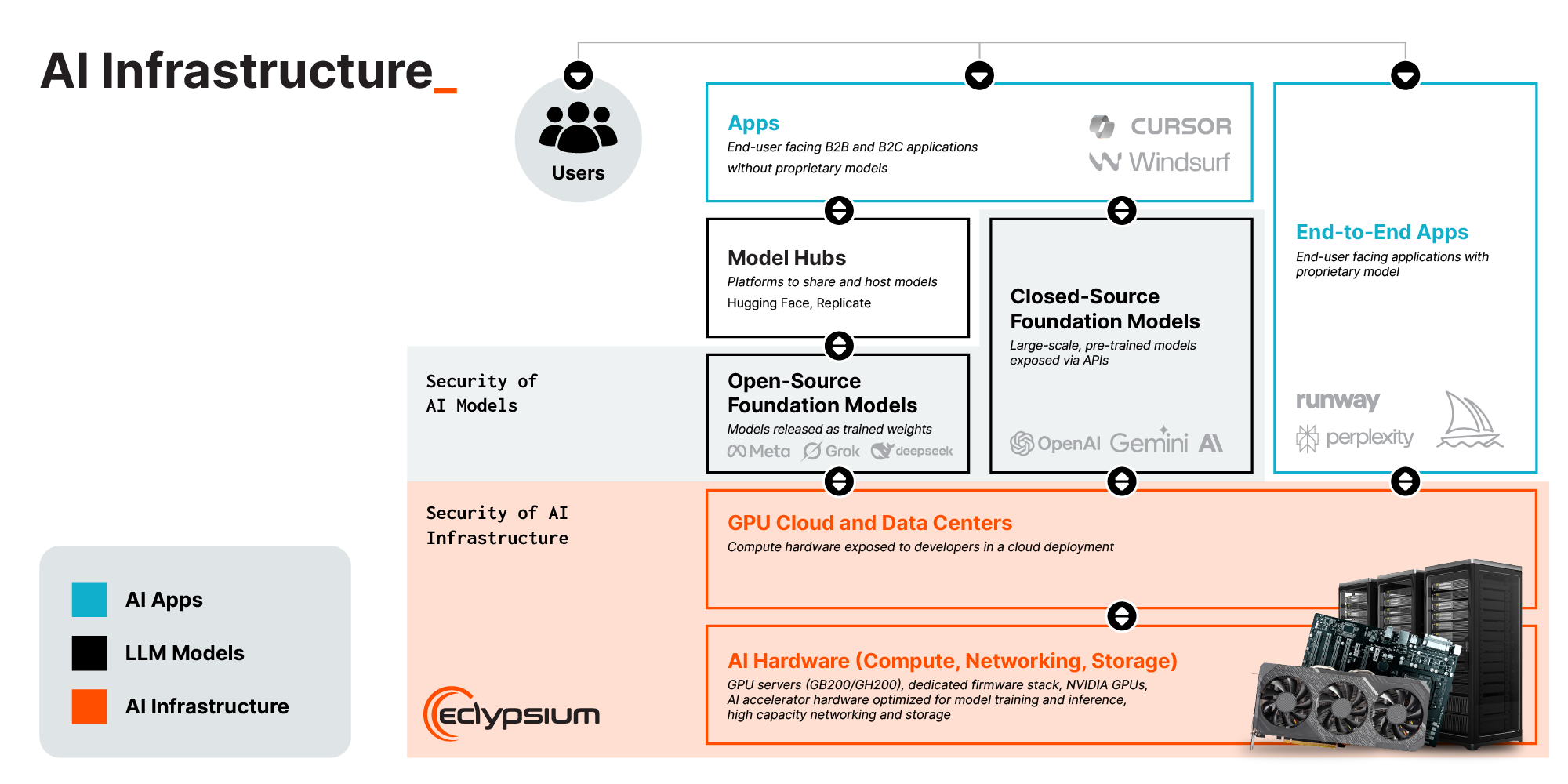
AI safety and data center policy are linked because the same companies that need more compute also want fewer limits on what they can deploy. That creates a political knot. You cannot separate the server farm from the model running on it.
Some candidates are treating AI safety as a consumer issue. Others frame it as national security. Both angles matter. The public has already seen AI systems make confident errors, amplify fraud, and spread junk at scale. That does not mean every model is a danger. But it does mean the bar for oversight should be higher than, say, a new app store launch.
The California policy fights around frontier AI, plus federal hearings on model risk and misinformation, have already pushed the subject into mainstream politics. This pact takes that energy and drops it into campaign land. That is smart, and a little cynical. Politics often works that way.
What voters should ask candidates
Promises are cheap. The real test is whether a candidate can explain the mechanics. Ask for specifics. Not slogans.
- Will you require public disclosure of expected power and water use for large data centers?
- Do you support utility rules that stop ordinary customers from subsidizing massive AI loads?
- Will you back independent safety reviews for frontier AI systems?
- Do you want local communities to have a real say in siting decisions?
- How will you balance economic development with grid reliability?
These questions force candidates to move past the applause line. They also reveal who understands the issue and who is just trying to sound current.
What to watch next in the data centers and AI safety fight
The next phase will probably happen in three places. Statehouses will handle zoning and energy rules. Utility commissions will decide who pays for upgrades. And Congress may keep circling AI standards without landing a clean bill.
But the local layer is where the real action is. That is where permits get approved, where rate cases get filed, and where residents show up angry. If you want to know whether this pact matters, watch whether candidates back it with actual votes after the signs come down.
The next useful question is simple: will these pledges turn into rules that hold up when a big developer and a hungry utility both come calling?
That answer will tell you more than any campaign video ever could.