Claude Code Usage Limits Rise After SpaceX Deal
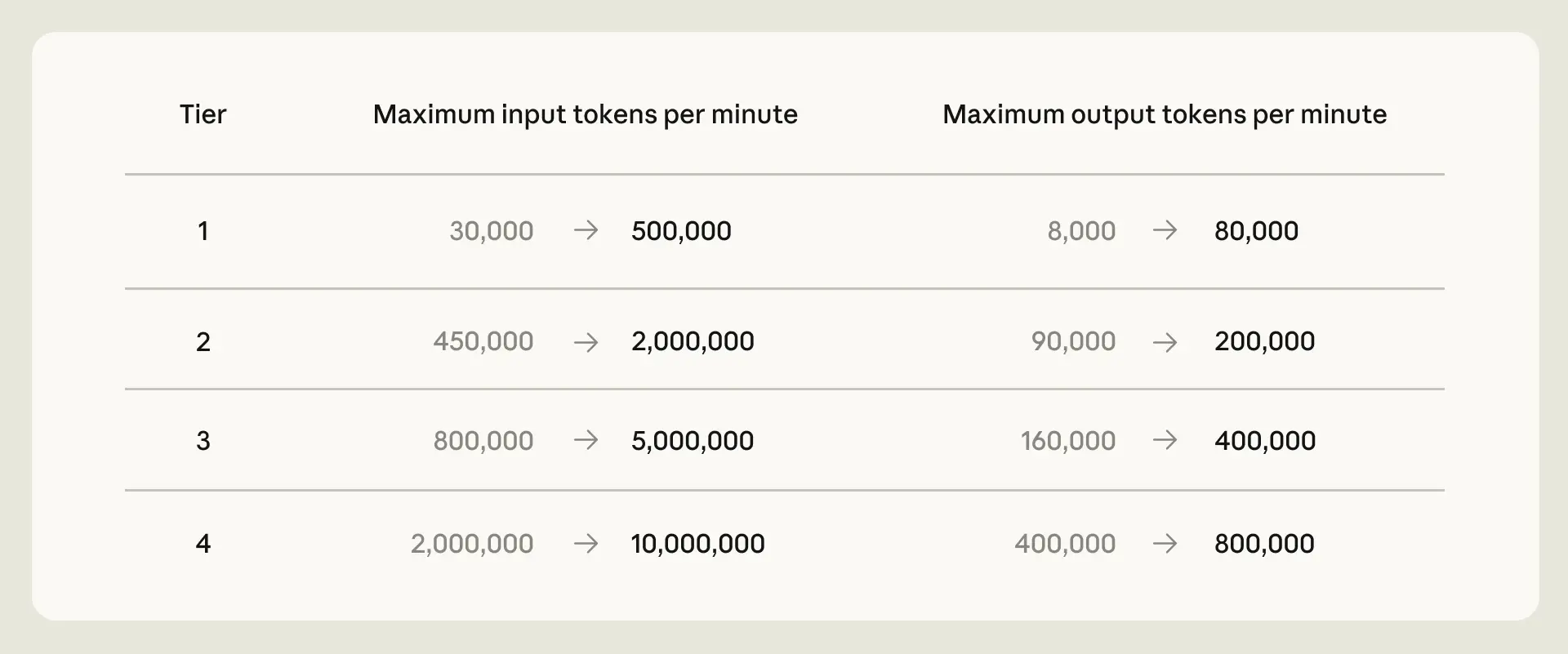
If you use Claude Code every day, hard caps are not a minor annoyance. They shape how much work you can finish, how often you need to pause, and whether the tool feels production-ready or half-baked. That is why the latest shift in Claude Code usage limits matters right now. Anthropic says it has increased access after securing new capacity through a deal with SpaceX, a move first reported by Ars Technica. For developers, this is about more than a bigger meter. It is a signal that compute supply, infrastructure partnerships, and model demand are now tightly linked. And if you have watched AI coding tools stall under heavy demand, you already know the real question. Will more generous limits finally make these systems dependable enough for serious software work?
What changed
- Anthropic raised Claude Code usage limits, according to its update cited by Ars Technica.
- The company credited a new deal with SpaceX for added capacity.
- Higher limits matter most for heavy users running long coding sessions, large codebase analysis, and repeated agent-style tasks.
- The move shows how AI tool quality now depends as much on infrastructure access as model design.
Why Claude Code usage limits matter to developers
Usage limits sound like a billing detail. They are not. For coding assistants, limits define the real product because they control session length, throughput, and whether you can trust the tool during deadline work.
If your assistant taps out after a few large prompts, it stops being a teammate and starts acting like a demo. That is especially true for developers who use AI for repository-wide reasoning, test generation, debugging loops, and refactors that take many back-and-forth turns.
Capacity is product quality.
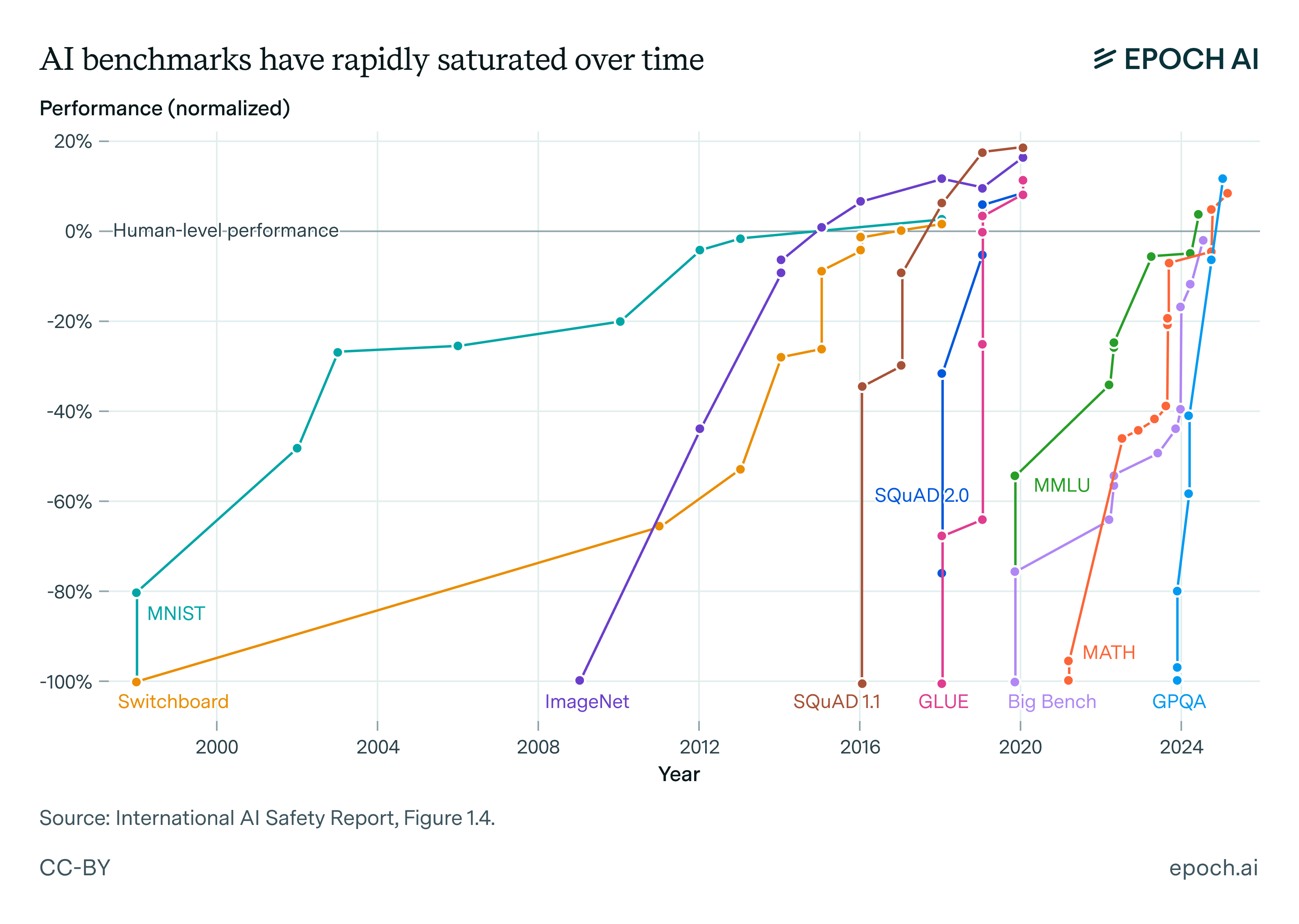
Look, this has been the dirty secret of AI coding tools for a while. Model benchmarks get headlines, but the day-to-day experience often hinges on message caps, queue delays, and context handling. A smarter model with stingy limits can feel worse than a slightly weaker one that keeps working when you need it.
How the SpaceX deal fits the Claude Code usage limits story
Anthropic’s explanation is straightforward. It says the higher Claude Code usage limits are possible because of a new deal with SpaceX. Ars Technica framed the update as a capacity-driven change, which makes sense given the compute strain tied to advanced coding agents.
That does not mean SpaceX suddenly became an AI software company. It means access to infrastructure, networking, and large-scale operational support can shift what an AI vendor is able to offer users. AI companies need chips, power, data center reach, and transport layers that do not buckle under demand. Fancy model demos are the visible part. The plumbing decides what ships.
Think of it like a restaurant with a great chef but too few burners. The menu looks excellent. Service still breaks down at dinner rush.
Anthropic’s latest move suggests the next battle in AI coding will not be won by model quality alone. It will be won by whoever can keep the service available, fast, and usable at scale.
What developers should expect from higher Claude Code usage limits
More headroom should help the people who push these tools hardest. That includes engineers working on large monorepos, startup teams using AI for rapid iteration, and technical leads reviewing generated code across multiple files.
But do not read too much into the announcement. Higher limits improve access. They do not automatically fix accuracy, hallucinated functions, weak architectural judgment, or the need for human review.
Here is where the increase is most likely to matter:
- Longer coding sessions
You can stay inside one workflow longer without hitting a wall mid-task. - Bigger codebase analysis
More requests and sustained context use help when tracing dependencies or reviewing unfamiliar systems. - Agent-style automation
Tasks that require repeated tool calls, edits, and checks become more practical when the meter is less restrictive. - Team adoption
Managers are more willing to approve a tool if usage caps do not constantly interrupt paid work.
What this says about the AI coding market
The AI coding market keeps pretending it is a pure software race. It is not. It is a software-and-infrastructure race, and the second half may be tougher.
OpenAI, Google, Anthropic, Microsoft, and smaller coding startups are all chasing the same users. Everyone wants to be the default assistant in the IDE. But the gap between a flashy launch and a tool that survives weekday demand is still wide.
And users notice.
That is why this story matters beyond Anthropic. Raising Claude Code usage limits is a product update, yes, but it is also a reminder that AI companies are now judged on reliability, not just intelligence. Developers are a brutally practical audience. They do not care about grand narratives if the tool times out during a release sprint.
Should you change your workflow around Claude Code usage limits?
Maybe, but only if the new limits solve a real bottleneck in your setup. If you stopped using Claude Code because you were hitting caps during normal work, this is a good moment to test it again. Run the tasks that actually hurt before, such as multi-file debugging, code review prompts, or documentation generation across a large repo.
If the experience now holds up, that is meaningful. If it still breaks under sustained use, the headline matters less than the friction.
A practical way to evaluate the change
- Pick three recurring tasks that previously hit usage ceilings.
- Measure session length, response quality, and failure rate.
- Compare Claude Code against your fallback, whether that is GitHub Copilot, ChatGPT, Gemini, or manual work.
- Track whether the tool saves time after review and correction, not before.
Honestly, this is the only metric that counts. Does the tool reduce real engineering time without creating cleanup debt later?
What Anthropic still needs to prove
Higher usage limits are good news. They are not the finish line. Anthropic still needs to show that Claude Code can stay reliable as more users take advantage of the expanded access. That means stable performance, predictable latency, and fewer moments where the system feels cautious in one turn and oddly overconfident in the next.
There is also a bigger strategic issue. If major improvements in user access depend on fresh infrastructure deals, how durable is that advantage? A coding assistant cannot be treated like a seasonal product. For professional users, availability is non-negotiable.
The veteran lesson here is simple. AI companies love to talk about what their models can do. Buyers should focus just as hard on what the service can sustain, day after day, under load (especially after the marketing spike fades).
What to watch next
The immediate question is whether developers feel the difference quickly. If reports show that Claude Code now supports longer, smoother workflows, Anthropic gets a real win. If users still run into hard ceilings or inconsistent performance, this update will look more like a patch than a turning point.
Watch for three signals in the weeks ahead:
- User feedback about whether the new limits materially changed daily coding sessions
- Any pricing or plan changes tied to the extra capacity
- Competitive responses from rivals in AI coding, especially around limits, context windows, and reliability
The bigger story is hard to miss. AI coding tools are growing up, and grown-up products need grown-up infrastructure. Anthropic has made a smart move by saying that part out loud. Now it has to prove the extra room translates into trust. If it does, Claude Code gets stronger. If not, developers will keep one hand on the eject button.